Summary
- AI visibility gaps happen when language models like Claude and ChatGPT don't cite your brand in relevant responses -- often due to insufficient authoritative content, poor information architecture, or lack of structured data
- Start by auditing your current visibility: test 10-15 strategic prompts across multiple AI models to establish a baseline and identify patterns in competitor mentions
- Fix content structure first: AI models prefer clear hierarchies, direct answers near the top, and scannable formatting with lists and tables over dense paragraphs
- Build authority signals that AI models recognize: high-quality backlinks, consistent citations across the web, and presence in authoritative sources that models trust
- Track results systematically using AI visibility platforms to measure improvement and identify which content changes drive citations
Why your brand is invisible to AI models
You've invested in SEO. Your website ranks on Google. Industry peers know your name. But when someone asks Claude "What are the best tools for X?" or prompts ChatGPT with "Compare solutions for Y," your brand doesn't appear.
This isn't a ranking problem -- it's a training data problem. Language models synthesize information from what they learned during training and what they can access through real-time retrieval. If your brand wasn't prominently featured in authoritative sources during training, or if your current web presence doesn't match how AI models parse information, you're invisible.
The gap shows up in three ways. First, your competitors get mentioned while you don't. Second, AI models describe your category accurately but omit your brand from the list. Third, when users specifically ask about your brand, the response is vague or outdated.
Traditional SEO won't fix this. Google's algorithm looks for relevance signals and backlinks. AI models look for clear, structured information from sources they've learned to trust. The content that ranks on page one might be terrible for AI citation -- verbose, keyword-stuffed, buried under ads.
The fix requires rethinking how you structure and distribute content. Not starting over, but making strategic changes that align with how language models actually process information.
Step 1: Audit your current AI visibility baseline
You can't improve what you don't measure. Start by testing Claude, ChatGPT, Perplexity, and Gemini with 10-15 prompts where your brand should logically appear.
Write prompts that mirror real user behavior. Try competitor comparisons: "What are alternatives to [Competitor Name]?" Category questions: "What tools help with [your solution category]?" Solution-specific queries: "How do I solve [problem your product addresses]?" Feature searches: "What features should I look for in a [your product category]?"
Document everything. When competitors appear, note which brands, how they're described, in what context. When your brand doesn't appear, note what does appear instead. Look for patterns -- are certain competitors always mentioned together? Do AI models favor specific types of sources?
Use a tracking tool to establish a quantifiable baseline. Promptwatch monitors brand mentions across ChatGPT, Claude, Perplexity, Gemini, and other AI models, giving you visibility scores and citation tracking over time.

Test the same prompts across multiple models. Claude might cite you while ChatGPT doesn't. Perplexity might pull from different sources than Gemini. Understanding these differences tells you where to focus effort.
Create a simple spreadsheet: Prompt | Claude | ChatGPT | Perplexity | Gemini | Notes. Mark whether your brand appeared, competitor mentions, and any patterns. This becomes your reference point for measuring improvement.
The audit reveals your starting position. Most brands discover they're invisible for 70-90% of relevant prompts. That's normal. What matters is identifying the 10-30% where you do appear -- those patterns show what's working.
Step 2: Analyze why competitors get cited
Your competitors aren't accidentally appearing in AI responses. They're doing specific things that make them citation-worthy. Reverse-engineer their approach.
Start with the brands that appear most frequently in your audit. Visit their websites and look for structural patterns. How is their homepage organized? Do they lead with clear problem-solution statements? Is their navigation obvious? Can you understand what they do in 10 seconds?
Check their content architecture. Look for comprehensive guides, comparison pages, feature documentation, use case libraries. AI models love content that directly answers questions without fluff. If a competitor has a page titled "How to solve X" that immediately lists steps, that's citation gold.
Examine their backlink profiles using tools like Ahrefs or Semrush. Which authoritative sites link to them? Are they mentioned in industry roundups, best-of lists, or comparison articles? AI models weight citations from trusted sources heavily.
Look at their presence on Reddit, Quora, and industry forums. Language models increasingly pull from these sources because they contain real user experiences and recommendations. If your competitor is consistently recommended in relevant threads, AI models notice.
Analyze their structured data implementation. Check their source code for schema markup -- Product, Organization, FAQPage, HowTo schemas help AI models understand content structure. Many invisible brands have zero structured data.
Pay attention to content format. Do competitors use tables, bullet lists, clear headings? Or do they write long paragraphs? AI models prefer scannable content with clear information hierarchy. A comparison table beats a 500-word paragraph every time.
Document what you find. Create a competitor visibility matrix:
| Competitor | Homepage clarity | Content depth | Backlink quality | Forum presence | Structured data |
|---|---|---|---|---|---|
| Competitor A | High | 50+ guides | DR 70+ | Active | Complete |
| Competitor B | Medium | 20+ guides | DR 50+ | Moderate | Partial |
| Your Brand | Low | 5 guides | DR 40+ | None | None |
This matrix shows exactly where you're falling behind. Most brands discover they're weak in 2-3 areas. That's your roadmap.
Step 3: Restructure existing content for AI citation
You probably have decent content already. It's just structured wrong for AI models. Restructuring existing pages is faster than creating new content and often delivers immediate visibility gains.
Start with your most important pages: homepage, product pages, key feature pages, main use case pages. Apply these structural fixes:
Lead with direct answers. AI models scan the first 200 words looking for clear statements. If your homepage opens with "Welcome to our innovative platform that leverages cutting-edge technology," you've already lost. Rewrite to: "[Your Brand] is a [category] that helps [audience] [solve problem] by [key differentiator]."
Use clear heading hierarchies. H2s should be questions or topics. H3s should be subtopics. Avoid clever headings like "Supercharge Your Workflow" -- use "How to automate email campaigns" instead. AI models parse headings to understand content structure.
Add comparison tables. Whenever you discuss multiple options, features, or approaches, format it as a markdown table. Tables are citation magnets because they present information in the exact format AI models prefer.
Break paragraphs into lists. If you have a paragraph listing benefits, features, or steps, convert it to a bulleted or numbered list. AI models extract list items more reliably than parsing prose.
Answer questions explicitly. Add FAQ sections to key pages. Format each Q&A clearly: question as H3, answer as paragraph or list directly below. Implement FAQPage schema markup.
Remove fluff and filler. Delete marketing speak, vague claims, and unnecessary adjectives. "Our powerful, innovative, industry-leading platform" becomes "Our platform." AI models ignore promotional language.
Add structured data. Implement schema.org markup for your organization, products, articles, and FAQs. This helps AI models understand what your content represents. Use Google's Structured Data Testing Tool to validate.
Here's a before/after example:
Before: "Welcome to Acme Analytics, where we're revolutionizing the way businesses understand their data. Our cutting-edge platform leverages advanced AI to deliver insights that drive growth. With powerful features and an intuitive interface, we're helping companies of all sizes make better decisions."
After: "Acme Analytics is a business intelligence platform that helps marketing teams track campaign performance across channels. Key features:
- Unified dashboard for Google Ads, Facebook, LinkedIn
- Automated attribution modeling
- Custom report builder
- Real-time alerts for budget overspend"
The second version is boring. It's also 10x more likely to get cited by Claude or ChatGPT when someone asks "What tools help track marketing campaign performance?"
Prioritize pages that already rank well on Google -- these are your quickest wins. AI models often pull from pages that have existing authority signals.
Step 4: Create content that answers AI-searchable questions
Restructuring existing content fixes immediate gaps. But to dominate AI visibility, you need new content specifically designed for how people prompt AI models.
Start by collecting real prompts. Ask your sales team what questions prospects ask. Check your support tickets for common questions. Browse Reddit threads in your industry. Look at "People Also Ask" boxes on Google for your keywords.
These questions become your content roadmap. Each question is a potential article, guide, or resource page. The key is answering directly and comprehensively.
Write comparison content. AI models cite comparison pages constantly. Create:
- "[Your Brand] vs [Competitor]" pages for your top 5 competitors
- "Best [category] tools in 2026" roundups that include your brand
- "[Competitor] alternatives" pages
- Feature comparison tables
Be honest in comparisons. If a competitor has a feature you lack, acknowledge it. AI models favor balanced, factual comparisons over promotional content.
Build use case libraries. Create detailed guides for each way customers use your product:
- "How to [achieve outcome] with [your brand]"
- "[Your brand] for [specific industry]"
- "[Your brand] for [specific role/persona]"
Each guide should be 1500-2500 words with clear steps, screenshots, and examples. This is exactly the content AI models pull from when users ask "How do I solve X?"
Answer the "what is" questions. Create definitive resources:
- "What is [your category]?"
- "What is [key feature/concept]?"
- "What are the benefits of [your approach]?"
These educational pages establish authority. When AI models need to explain a concept, they cite authoritative explainers.
Document your methodology. If you have a unique approach, process, or framework, document it thoroughly. Give it a name. Explain how it works. Show examples. AI models cite named methodologies because they're easy to reference.
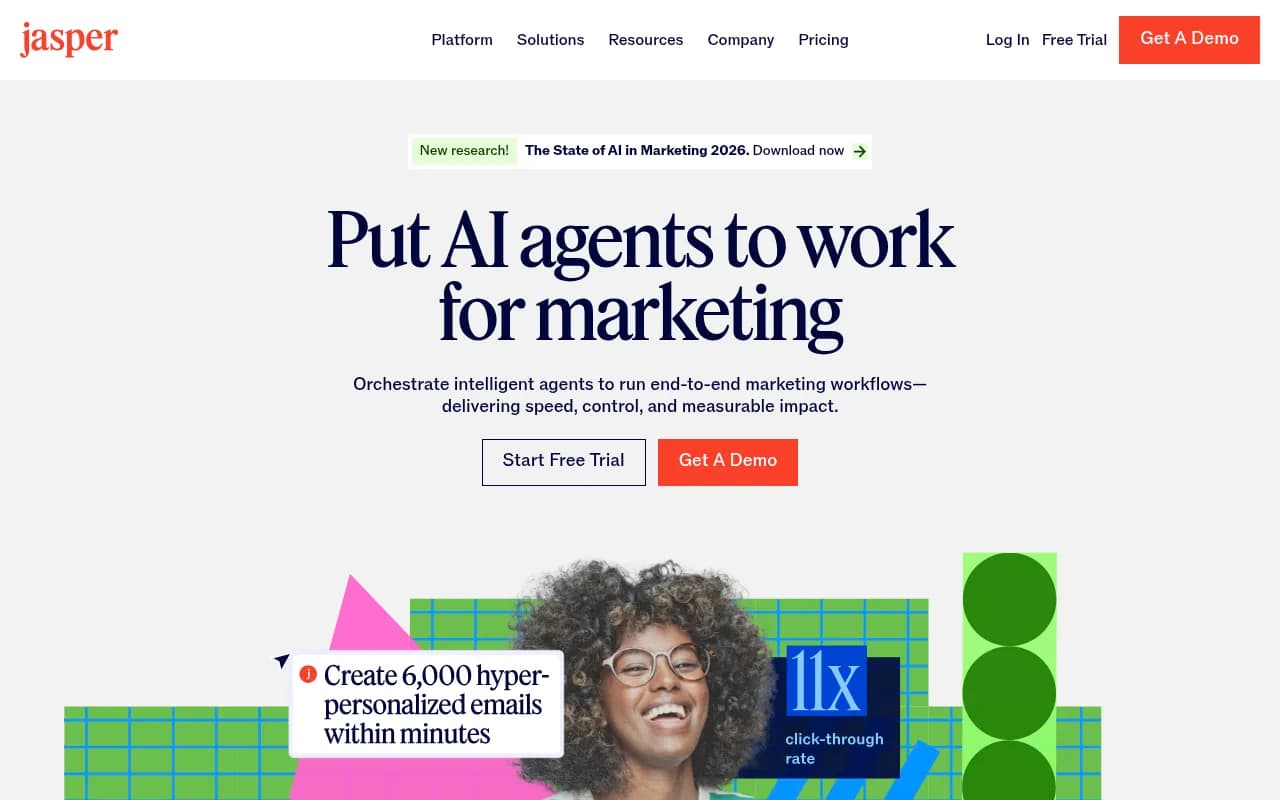
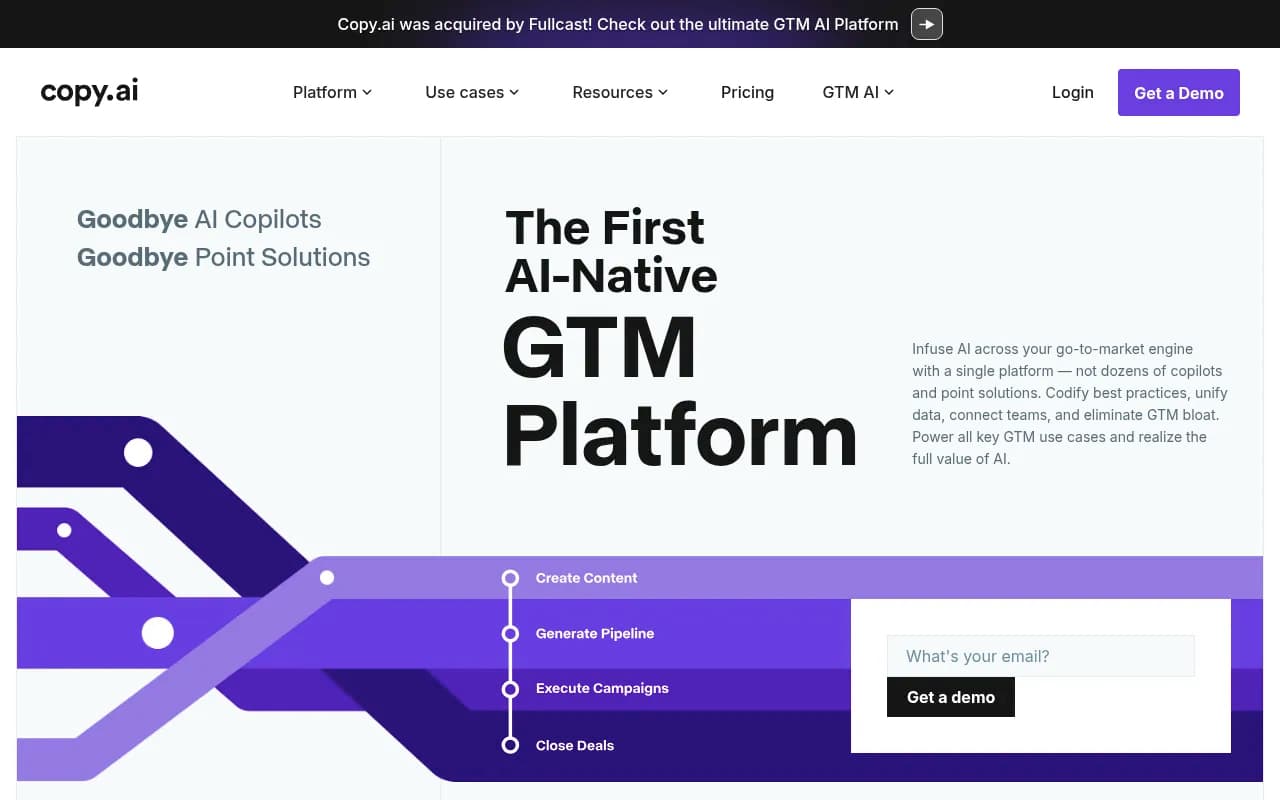
Use AI writing tools to accelerate content creation, but edit heavily. Tools like Jasper, Copy.ai, or Writesonic can generate first drafts, but AI-generated content often lacks the specificity and structure that makes content citation-worthy.
The content generation workflow:
- Identify the question/topic from your research
- Outline the structure: intro, main sections, conclusion
- Write or generate the first draft
- Add comparison tables, lists, and clear headings
- Remove vague language and add specific examples
- Implement structured data markup
- Publish and track visibility
Promptwatch includes an AI writing agent specifically trained on citation data -- it generates content designed to get cited by AI models, not just rank on Google.
Prioritize volume initially. Publish 20-30 solid guides in your first quarter. AI visibility correlates with content depth -- brands with comprehensive content libraries get cited more frequently.
Step 5: Build authority signals AI models recognize
Content structure matters, but authority signals determine whether AI models trust your content enough to cite it. You need to build credibility markers that language models learned to weight during training.
Earn backlinks from authoritative sources. AI models learned that sites linked by trusted sources are more reliable. Focus on:
- Industry publications and news sites
- Educational institutions (.edu domains)
- Government resources (.gov domains)
- Established blogs and media outlets
Guest posting, original research, and data-driven content earn links naturally. A single link from a DR 80+ site matters more than 50 links from low-authority blogs.
Get mentioned in roundup articles. When authoritative sites publish "Best X tools" or "Top Y solutions" lists, getting included builds citation signals. Reach out to sites that publish these roundups. Offer to provide information, screenshots, or expert quotes.
Establish presence on Reddit and Quora. AI models increasingly pull from these platforms because they contain authentic user experiences. Participate genuinely:
- Answer questions in your industry subreddits
- Share knowledge without being promotional
- Link to your guides when they directly answer questions
- Build karma and credibility over time
A history of helpful Reddit comments builds authority that AI models recognize.
Publish original research and data. AI models cite sources that provide unique data or insights. Conduct surveys, analyze industry trends, or compile statistics. Publish the findings as standalone reports. Original research earns links and citations naturally.
Maintain consistent NAP across the web. Name, Address, Phone should be identical everywhere your brand appears: your website, Google Business Profile, directory listings, social profiles. Inconsistency confuses AI models about which entity you are.
Implement comprehensive schema markup. Beyond basic Organization schema, add:
- Product schema with ratings and pricing
- Article schema for blog posts and guides
- HowTo schema for tutorials
- FAQPage schema for Q&A content
- Review schema for testimonials
Structured data helps AI models understand relationships between entities and content types.
Build social proof. AI models notice signals like:
- Review volume and ratings on G2, Capterra, Trustpilot
- Social media following and engagement
- Media mentions and press coverage
- Awards and certifications
These aren't direct ranking factors, but they correlate with brands that get cited frequently.
Authority building is slow. You won't see immediate results. But over 6-12 months, consistent authority signals compound. Brands that combine strong content structure with genuine authority dominate AI visibility.
Step 6: Optimize for real-time AI retrieval
Some AI models (Perplexity, ChatGPT with browsing, Claude with web search) retrieve information in real-time rather than relying solely on training data. Optimizing for real-time retrieval requires different tactics.
Improve page load speed. AI crawlers have timeout limits. If your page takes 5+ seconds to load, it might not get fully crawled. Use Google PageSpeed Insights to identify issues. Compress images, minimize JavaScript, enable caching.
Make content easily parseable. AI crawlers parse HTML structure. Use semantic HTML5 tags: <article>, <section>, <aside>, <nav>. Avoid hiding content behind JavaScript or complex interactions.
Implement clean URL structures. Use descriptive URLs like /guides/how-to-track-ai-visibility instead of /page?id=12345. Clean URLs help AI models understand content context.
Add clear meta descriptions. While meta descriptions don't directly affect citations, they help AI models quickly understand page content when scanning search results or web pages.
Use descriptive image alt text. AI models can't see images, but they read alt text. Describe what's in the image and why it matters: "Comparison table showing ChatGPT vs Claude citation rates" not "Screenshot 1."
Ensure mobile responsiveness. Some AI crawlers use mobile user agents. If your site breaks on mobile, content might not be accessible to these crawlers.
Fix broken links and errors. 404 errors, redirect chains, and broken internal links hurt crawlability. Run regular site audits to identify and fix issues.
Create an XML sitemap. While AI crawlers don't use sitemaps the same way Google does, having one signals site organization and helps ensure all important pages are discoverable.
Monitor AI crawler activity. Check your server logs for AI crawler user agents:
- ChatGPT:
ChatGPT-User - Claude:
Claude-Web - Perplexity:
PerplexityBot - Google (for AI Overviews):
Google-Extended
If you're not seeing these crawlers, you might have accidentally blocked them in robots.txt. Make sure you're not blocking legitimate AI crawlers.
Some platforms offer AI crawler log analysis. Promptwatch shows real-time logs of AI crawlers hitting your site -- which pages they access, how often, and any errors they encounter.
Step 7: Track results and iterate
AI visibility optimization is not a one-time project. You need systematic tracking to understand what's working and where to focus next.
Set up automated monitoring. Use an AI visibility platform to track your brand mentions across models:
| Platform | Key features | Best for |
|---|---|---|
| Promptwatch | Citation tracking, crawler logs, content gap analysis, AI writing agent | Brands serious about AI visibility |
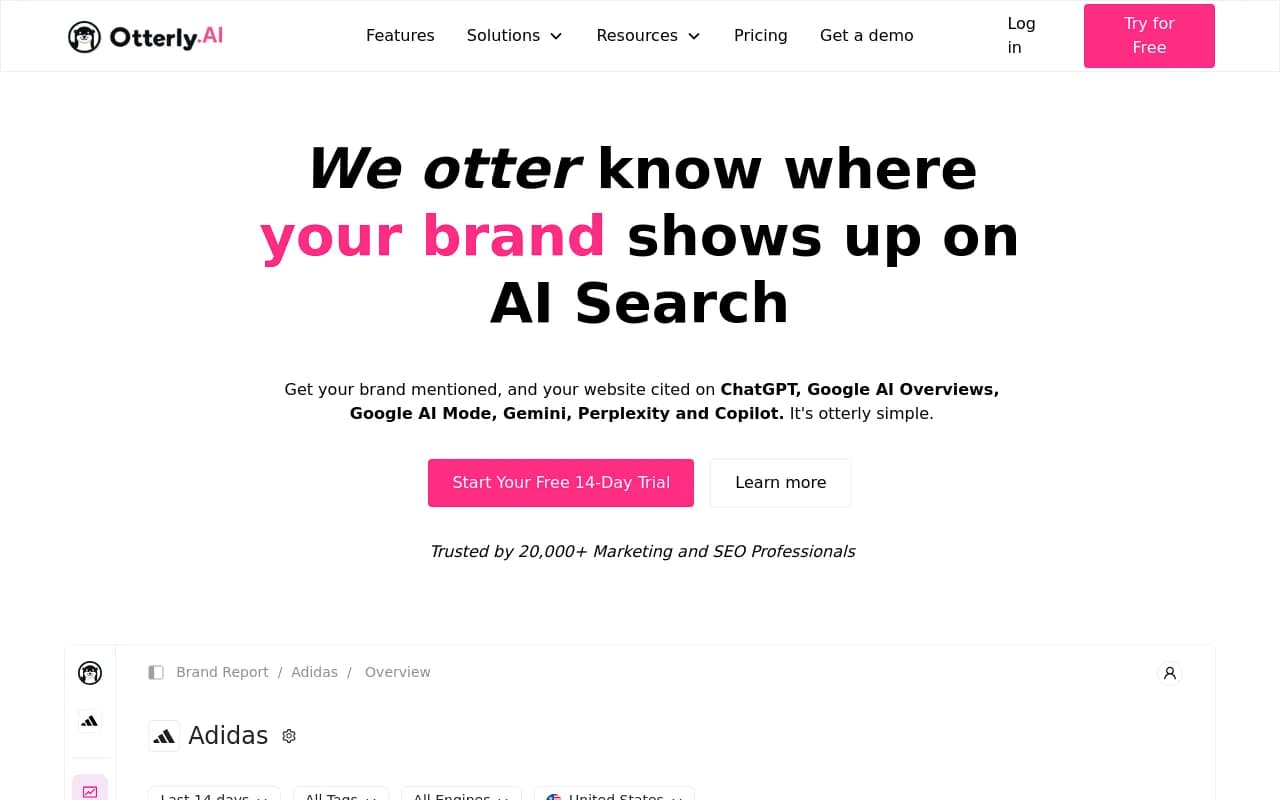
| Otterly.AI | Basic monitoring across multiple AI models | Budget-conscious teams |
| Profound | Enterprise features, custom reporting | Large organizations |
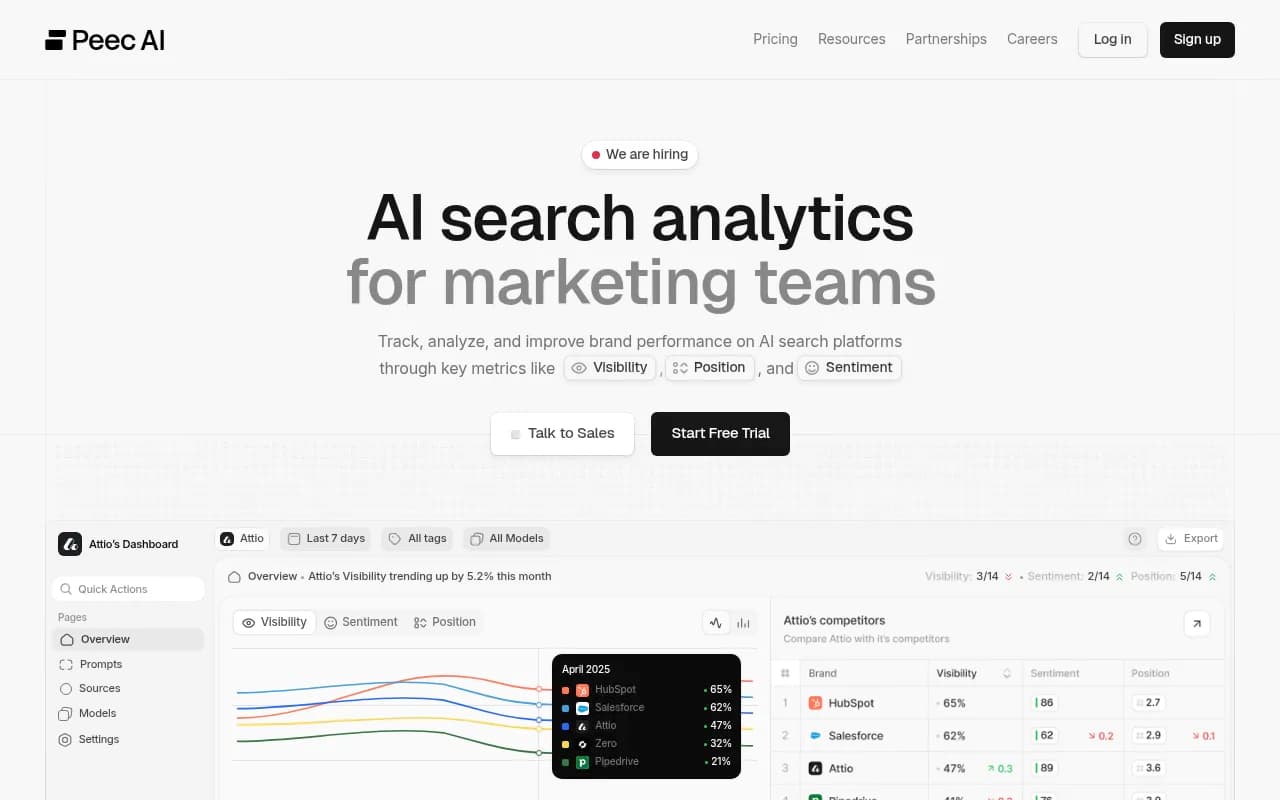
| Peec AI | Multi-language tracking | Global brands |
Track at multiple levels:
- Brand-level: Overall visibility score across all prompts
- Prompt-level: Which specific queries cite your brand
- Page-level: Which pages get cited most frequently
- Competitor-level: How your visibility compares to competitors
Monitor weekly, not daily. AI model responses change slowly. Checking daily creates noise. Weekly tracking shows real trends.
Correlate visibility with traffic. Use Google Analytics or your analytics platform to track traffic from AI referrals. Some AI models (Perplexity, ChatGPT with browsing) send referral traffic. Monitor these sources to connect visibility to actual business impact.
Document what you change. Keep a log of content updates, new pages published, and authority-building efforts. When visibility improves, you'll know which actions drove results.
Run monthly audits. Test your core prompts manually each month. Automated tools catch most changes, but manual testing reveals nuances -- how your brand is described, what context it appears in, which competitors are mentioned alongside you.
Iterate based on data. If certain content types drive citations (comparison pages, how-to guides, data reports), create more of that content. If specific topics show visibility gains, expand coverage in those areas.
The feedback loop:
- Publish content or make changes
- Wait 2-4 weeks for AI models to potentially incorporate changes
- Check visibility metrics
- Identify what improved and what didn't
- Double down on what works
- Adjust or abandon what doesn't
Most brands see initial improvements within 4-6 weeks of implementing structural fixes. Significant visibility gains take 3-6 months of consistent effort.
Common mistakes that kill AI visibility
Mistake 1: Optimizing for Google instead of AI models. Traditional SEO tactics -- keyword density, exact-match anchors, link schemes -- don't help AI visibility and sometimes hurt it. Focus on clear, factual content structure instead.
Mistake 2: Over-optimizing with AI-generated content. Publishing 100 thin AI-generated articles won't build authority. AI models learned to recognize low-quality content. Publish fewer, better pieces.
Mistake 3: Ignoring structured data. Many brands skip schema markup because it doesn't directly affect Google rankings. For AI visibility, structured data is critical. Implement it.
Mistake 4: Blocking AI crawlers. Some sites block AI crawlers out of concern about training data usage. If you want AI visibility, you need to allow crawling. You can't be cited if you can't be read.
Mistake 5: Focusing only on your own brand. AI models cite brands in context -- usually alongside competitors or alternatives. Create content that naturally includes your brand in relevant comparisons and categories.
Mistake 6: Expecting instant results. AI visibility builds slowly. Models update their knowledge on different schedules. Some changes take weeks to appear. Patience is required.
Mistake 7: Neglecting authority signals. Great content structure without authority won't get cited. You need both. Build backlinks, earn mentions, establish presence on trusted platforms.
What to do next
Start with the audit. Test 10-15 prompts across Claude, ChatGPT, and Perplexity today. Document where you appear and where you don't. This baseline takes 30 minutes and tells you exactly where you stand.
Then fix your homepage and top 5 pages. Apply the structural changes: clear opening statement, heading hierarchy, comparison tables, lists instead of paragraphs. These changes take a few hours and often deliver the fastest visibility gains.
Set up tracking. Pick an AI visibility platform and configure monitoring for your core prompts. You need data to measure progress.
Create a content calendar. Plan 20-30 guides over the next quarter. Focus on comparison content, use cases, and direct answers to common questions in your space.
Build authority consistently. Allocate time each week to guest posting, participating in Reddit discussions, or conducting original research. Authority compounds slowly but matters enormously.
Review results monthly. Check your visibility metrics, identify what's improving, and adjust your approach based on data.
AI visibility isn't magic. It's systematic work: clear content structure + genuine authority + consistent tracking. Brands that execute this framework see measurable improvements in 3-6 months. Most competitors aren't doing this yet. The window to establish early dominance is open now.