Key takeaways
- Pet owners now ask ChatGPT, Gemini and Google AI Overviews where to take a sick dog, and the clinics those tools name win the visit. Qwairy's pet care guide says 36.8% of "Pets & Animals" queries trigger an AI Overview, citing Ahrefs.
- Clinics and pet product brands need different tools. Clinics need local, reviews and listings coverage. Product brands need citation tracking and content.
- A GEO tool is only useful if it shows why you are missing and helps fix it. Pure dashboards leave the work to you.
- Much pet GEO advice still leans on Reddit. Promptwatch's data shows reddit.com's share of ChatGPT citations fell from about 4% to 0.5% on August 14, 2026, so shift effort to your own site, YouTube and listings.
- Verify pricing on vendor pages. Prices change, and I have not quoted any I could not confirm.
Why veterinary GEO is its own problem
Picture 11 PM. A dog owner sees their pet limping and asks ChatGPT whether to go to the emergency vet. The answer includes a triage assessment and three local hospitals. Your clinic, two miles away with after-hours care, is not one of them. You never find out you lost that client.
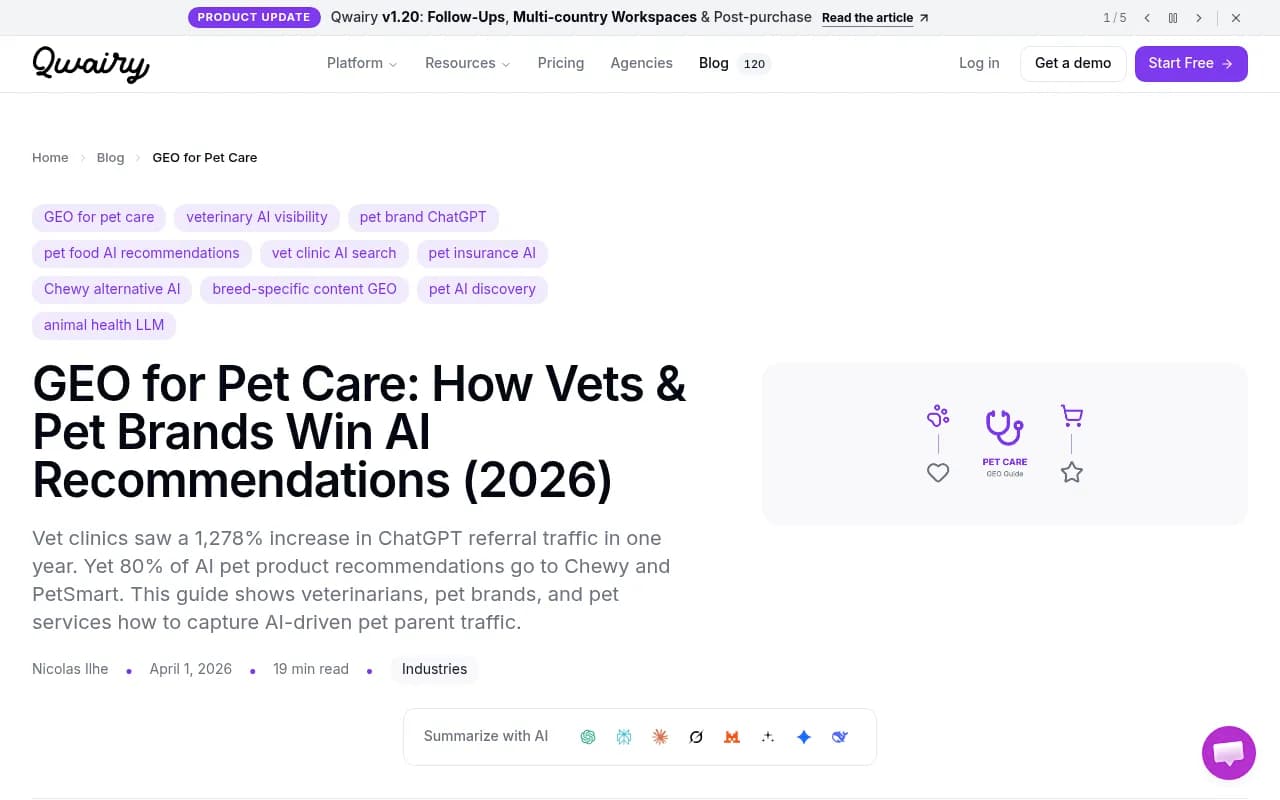
That scenario comes from Qwairy's pet care GEO guide, which also reports a 1,278% increase in ChatGPT referral traffic to vet clinics in a year (a figure it attributes to Vetcelerator) and says 80% of AI pet product recommendations go to Chewy and PetSmart. I treat those as third-party numbers, since I could not verify them independently. The direction is hard to argue with, though.
The two audiences have different problems:
- Vet clinics and groomers are local. AI answers depend on Google Business Profile data, reviews, listings and structured data.
- Pet product brands compete against giants. AI answers depend on which pages and third-party sources get cited for "best dog food for sensitive stomachs" type prompts.
Pick a tool for your problem, not the most popular one.
What a GEO tool should do for a vet or pet brand
Before comparing names, here is the checklist I would use.
- Track real AI answers across ChatGPT, Gemini, Perplexity, Google AI Overviews and AI Mode, not only an API approximation.
- Support location. "Emergency vet near me" is meaningless without geography.
- Show citations, meaning which pages and domains AI pulled from, so you know whether the problem is your site or the review sites around you.
- Show crawler access. If AI bots cannot read your clinic site, no content fix will help.
- Help you act: content gaps, drafts, refresh suggestions, publishing.
- Report on sentiment and claims. Vets care about what AI says ("expensive", "long waits"), not only whether it says your name.
Types of tools you will meet
| Category | What it does | Examples from our catalog | Best for |
|---|---|---|---|
| End-to-end GEO platforms | Track, trace, and fix AI visibility | Promptwatch, Profound, Scrunch | Brands and multi-location groups |
| Monitoring-only trackers | Show mentions and rankings | Otterly.AI, Peec AI, LLM Pulse | Small budgets, simple reporting |
| Local listings and reputation | Fix NAP data, reviews, citations | BrightLocal, Birdeye, Yext, Synup | Single and multi-clinic practices |
| Structured data | Schema markup at scale | Schema App | Clinics with many pages or locations |
| Free checkers | One-off snapshots | AnswerGist, Geotoolbox, HubSpot AI Search Grader | First look before you spend |
| Agencies | Done-for-you GEO | Vet-specific shops, 1001 SEO Media | Clinics with no marketing staff |
The best GEO tools for veterinary clinics and pet brands
Promptwatch
Promptwatch is the one I would start with if you want more than a report. It monitors the real interfaces of ChatGPT, Google AI Overviews, Google AI Mode, Gemini, Perplexity, Copilot and others, by country, and by state or city on Business plans. For a clinic that matters, because local GEO/SEO targeting on Business and up lets you pin a monitor to exact coordinates so answers come back as if asked from your neighborhood.

What suits this vertical in particular:
- Brand Narrative pulls out the claims AI makes about you and competitors (pricing, wait times, support), grouped by theme. Fact Check, on Business and up, flags pages teaching AI the wrong thing, for example outdated hours.
- IP-verified AI crawler logs show whether GPTBot, ClaudeBot and others actually read your service pages. Many clinic sites built on old themes block bots without anyone knowing.
- The Content Agent (Business) writes and publishes to WordPress, Webflow or Framer against the prompts where you are missing. Most vet sites run on WordPress, which Promptwatch's plugin covers.
- Visitor analytics tie AI referrals to conversions, so you can see whether ChatGPT sends bookings.
- AI Shopping tracking covers pet product brands competing in ChatGPT shopping carousels.
Pricing at the time of writing: Essential $95/mo, Professional $245/mo, Business $579/mo, with a 7-day free trial on monthly billing. Confirm at promptwatch.com/pricing. A single independent clinic probably fits Essential or Professional for monitoring; the Content Agent, local coordinate targeting and Fact Check need Business. Multi-location groups and pet brands will get the most from Business. Agencies serving several clinics can look at the Kick-off, Growth and Scale plans.
You can start with the free AI visibility report to see what ChatGPT, Gemini and Perplexity say about your brand today, or use the Agentic Readiness Check for crawler access.
Profound and Scrunch
Both are strong monitoring platforms aimed at larger brands. They fit a national pet food or pet insurance company with an enterprise budget. For a clinic they are overkill, and they lack the crawler logs, Reddit-to-LinkedIn citation tracking and agentic content execution Promptwatch bundles. See the head-to-head pages for Promptwatch vs Profound and Promptwatch vs Scrunch.

Otterly.AI and Peec AI
Both are lighter, cheaper prompt trackers. If you only want to know whether your clinic is mentioned for 20 to 50 prompts, they do that job. They stop at monitoring: no crawler logs, no visitor analytics, no content generation. That means you learn you are invisible and then have to work out the rest on your own.


Qwairy
Qwairy publishes a detailed pet care playbook and sells a GEO platform. Its guide is worth reading even if you buy something else. Be careful with its social advice, though: it leans heavily on Reddit communities such as r/AskVet and r/dogs, and that is stale for ChatGPT as of this year (more on that below).
Local and reputation tools
GEO for a vet clinic is partly old-fashioned local SEO. Qwairy's guide calls Google Reviews the most critical platform, and I agree. Reviews that mention specific vets by name and describe specific treatments give AI something concrete to quote. Tools for that layer:
- BrightLocal for local rank tracking and citation audits.
- Birdeye and Reputation.com for review requests and responses, useful for multi-location groups.
- Yext, Synup and Uberall for keeping hours, phone and address consistent across directories.
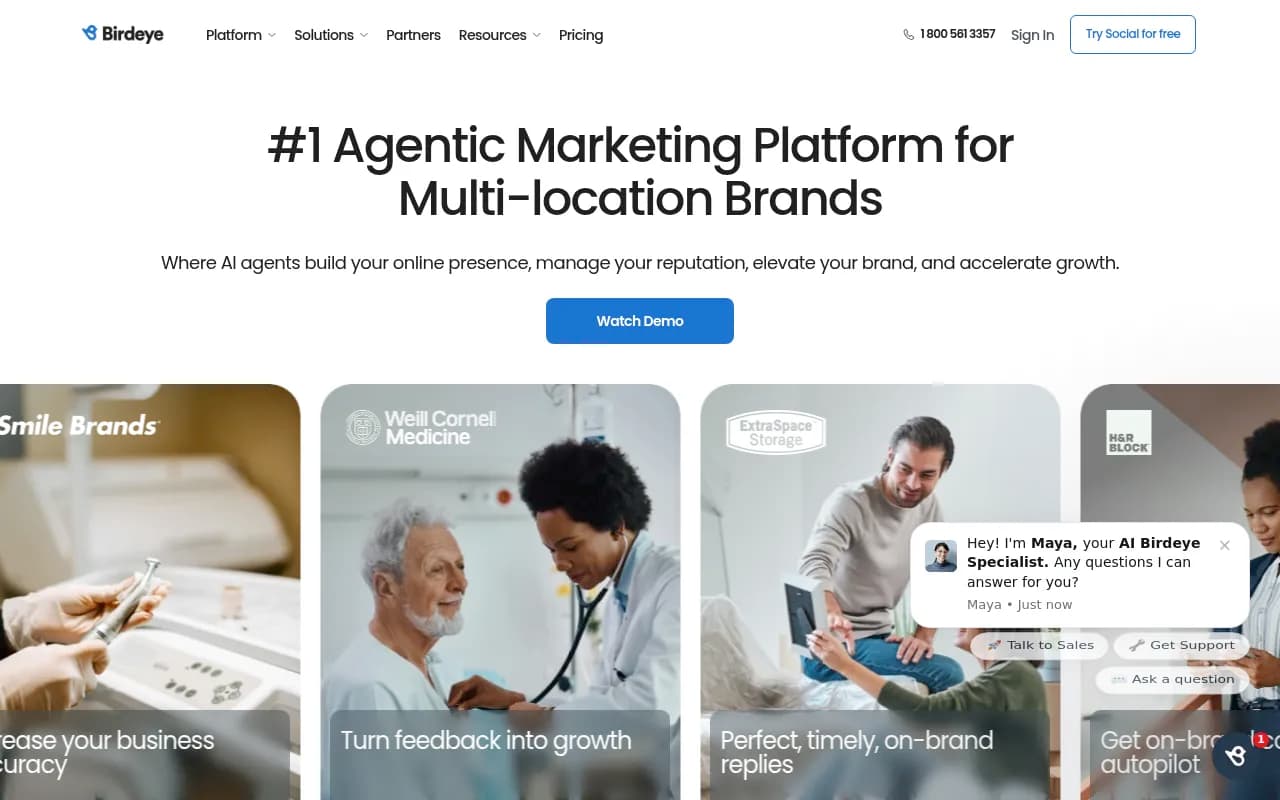
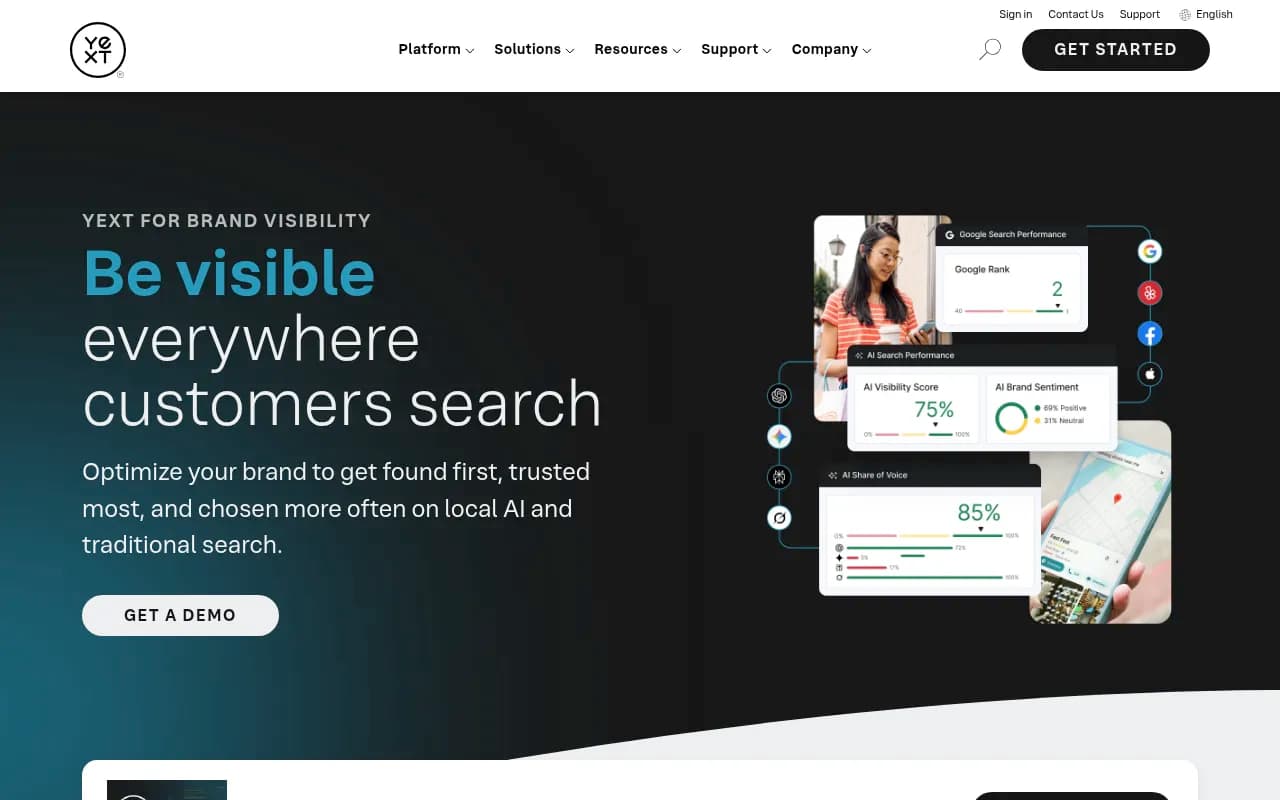
None of these replaces a GEO platform, since they do not show what AI says. They fix the data AI draws from.
Schema App
Structured data helps machines understand a practice. The Qwairy guide includes a sample using the schema.org VeterinaryCare type with specialties, opening hours and an aggregate rating. A clinic with one location can write this by hand or with a plugin. A group with dozens of locations and service pages will want a platform.
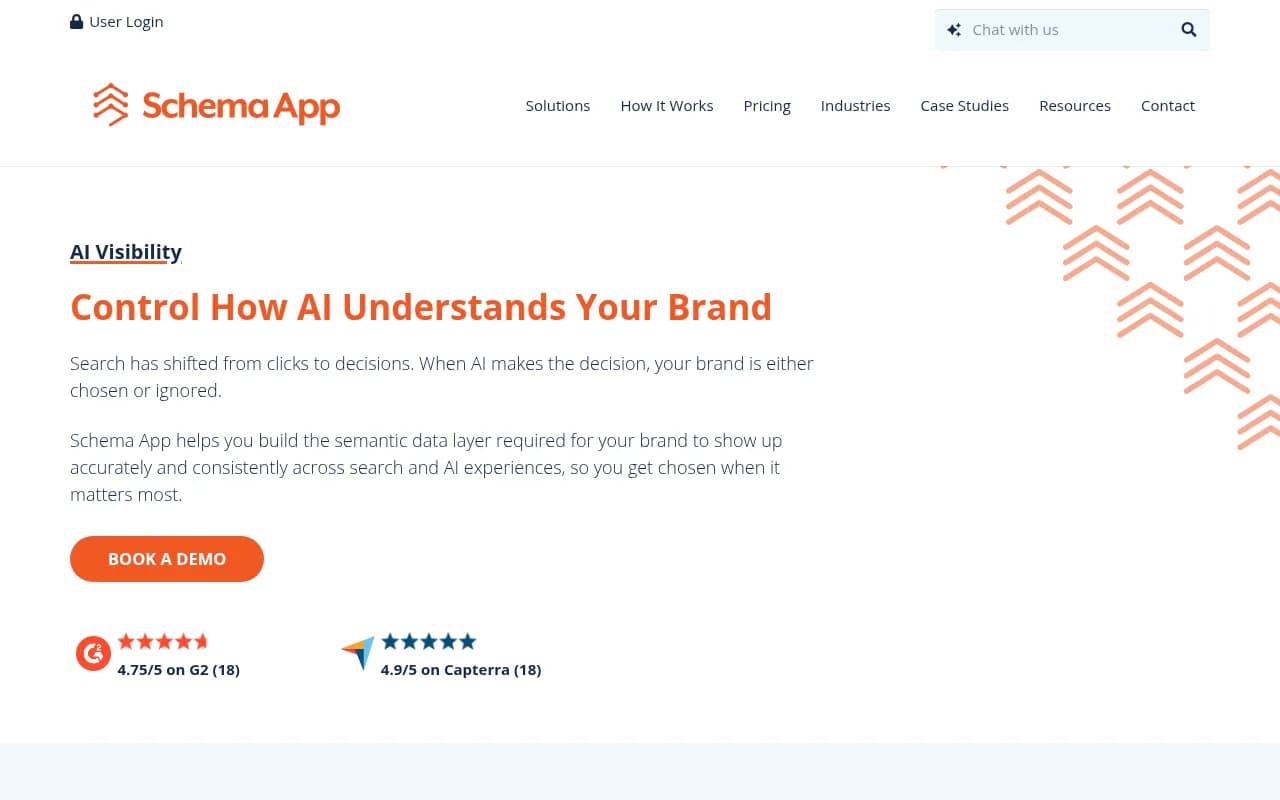
One caution: only mark up ratings that are real and visible on the page.
Free checkers for a first look
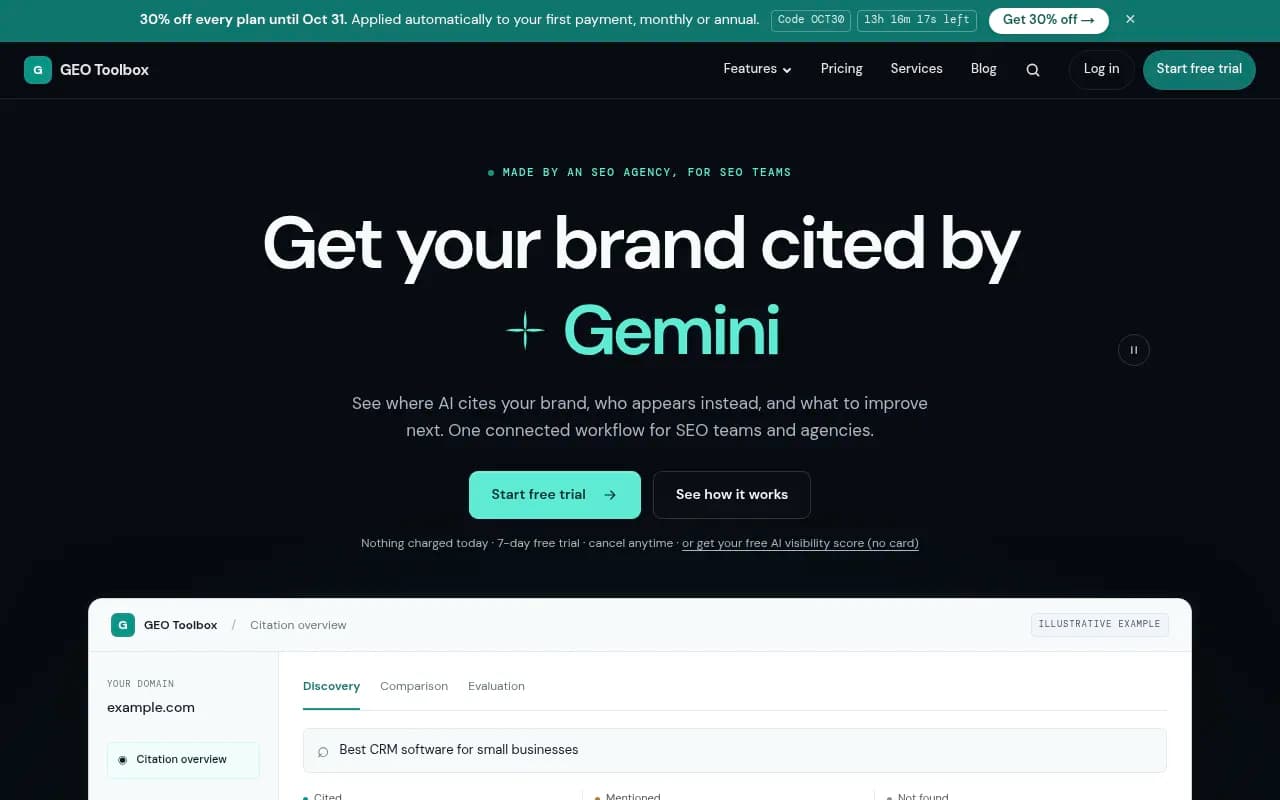
Before paying anyone, run a free snapshot. AnswerGist, Geotoolbox and the HubSpot AI Search Grader give a rough view. Treat them as a starting signal, not a measurement, because a one-off scan is a sample of one.

Comparison: which tool for which vet or pet business
| Situation | Start with | Add later |
|---|---|---|
| One independent clinic, tiny budget | Free AI visibility report, Google Business Profile cleanup | Promptwatch Essential or Professional |
| Two to ten clinics | Promptwatch Business (local targeting, Content Agent) | BrightLocal or Birdeye |
| Emergency and urgent care | Promptwatch with city-level monitors | Reviews tool focused on after-hours visits |
| Pet food, supplement or accessory brand | Promptwatch (citations, Shopping, Reddit and YouTube reports) | Schema App, content tools |
| Pet insurance or telehealth | Promptwatch plus content refresh workflow | Fact Check for compliance-sensitive claims |
| Agency serving vets | Promptwatch agency plans | Reporting tools such as AgencyAnalytics |
What the data says about where to spend effort
Two findings from Promptwatch Data change how I would plan a pet GEO program.
Reddit is no longer a ChatGPT shortcut
Many pet GEO guides tell vets to answer questions on r/AskVet, r/dogs and r/cats. That is worth doing for community reasons. For ChatGPT visibility it is a weaker bet now: reddit.com's share of ChatGPT citations collapsed from roughly 4% to 0.5% on August 14, 2026. In the Sep 28 to Oct 4, 2026 social citations report, all seven tracked social platforms together made up just 0.46% of ChatGPT citations, versus 12.2% for Google AI Overviews.
Practical read:
- For Google-driven discovery, YouTube comes first (4.28% of AI Overview citations in that report), then complete Facebook and Instagram profiles (2.38% and 1.61%).
- For ChatGPT, put the effort into your own site and into guides and comparisons rather than forum threads.
- For Perplexity, LinkedIn and Reddit tie at 0.86%, so a LinkedIn presence is worth a little time.
A vet-narrated YouTube explainer on "when is a limp an emergency" is a better investment than a hundred Reddit replies.
Medical trust signals matter
Promptwatch has no veterinary-specific report, so use this only as a proxy. In its healthcare citations report (Sep 9 to Oct 8, 2026), NIH led ChatGPT healthcare citations at 5.46%, the FDA followed at 1.76%, and government and public health sites earned 7.06% combined. Medical associations earned 1.39%, more than the 0.89% earned by hospitals and clinics. The equivalent veterinary bodies would be the AVMA and AAHA, though I have not verified how often they are cited.
So: back claims with peer-reviewed sources, keep your advice consistent with official guidance, and keep directory profiles complete. A page about canine dental disease that cites published veterinary guidance beats one that only sells a cleaning package.
It also helps to know that almost half of ChatGPT responses cite 10 or more unique domains (Sep 28 to Oct 4, 2026). You are not fighting for one slot. You need to show up across the several sources AI pulls from.
A 30-day starting plan for a clinic
- Week 1. Run a free visibility report. Write down 15 to 30 prompts real owners ask: "emergency vet open now", "low cost spay near me", "my cat is not eating". Check your Google Business Profile for accurate hours and services.
- Week 2. Check crawler access. Make sure robots.txt is not blocking AI bots you want, and that service pages are server-rendered rather than hidden behind scripts.
- Week 3. Add schema, fix thin service pages, and publish three symptom or procedure pages written by a vet and sourced to published guidance.
- Week 4. Ask for reviews that name the vet and the treatment. Post one YouTube explainer. Set up a monitor and note your baseline share of mentions.
Then repeat monthly. The mistake I see most often is measuring once and calling it done.
What about agencies?
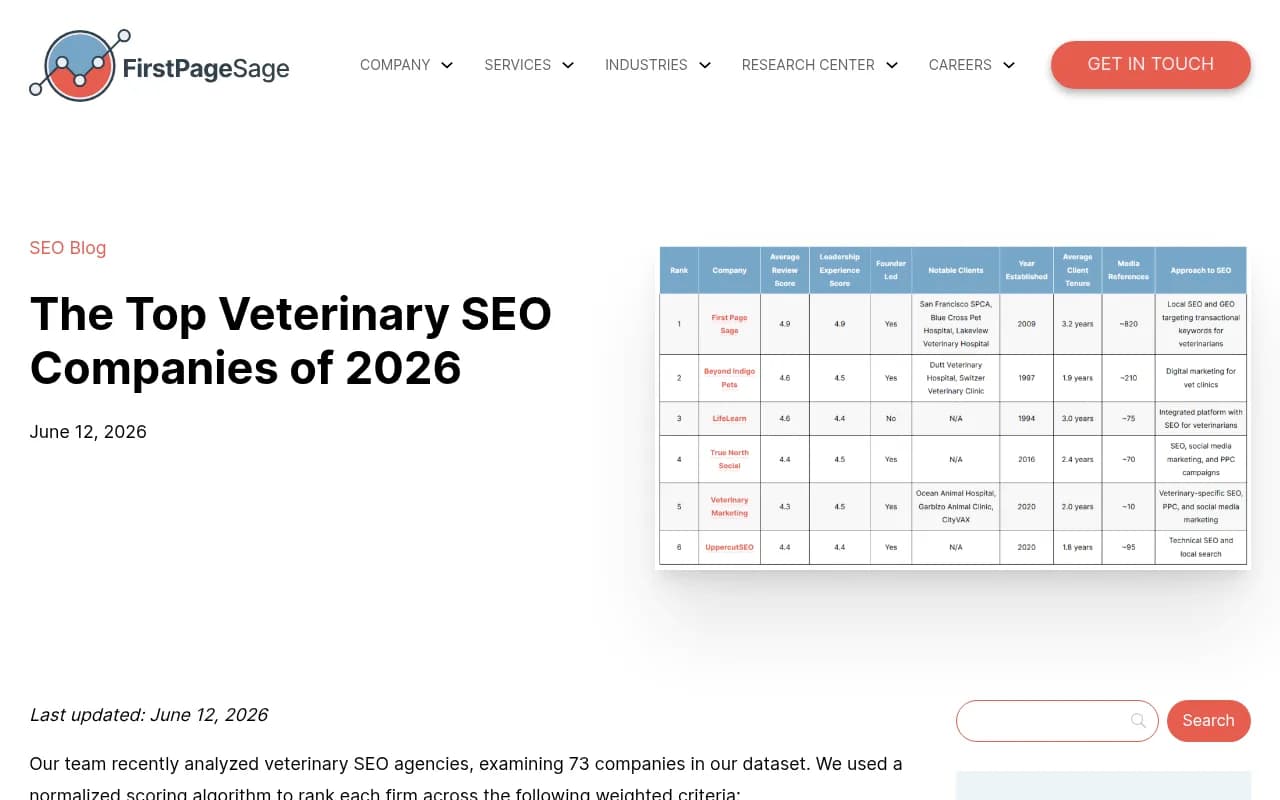
Several agencies position themselves as vet-focused GEO shops. Web Tonic's 2026 list names firms such as The Vet Marketing Firm, The Visible Vet and Tapir, and First Page Sage ranks veterinary SEO companies by review score and tenure. I have not verified their results or the quoted starting price of $2,500/month for Orxaro, so ask for client references and what they use to measure.
If you want a general GEO and SEO partner rather than a vet specialist, 1001 SEO Media covers technical SEO, content, local SEO and AI search work, with no long-term contracts, and uses Promptwatch for AI visibility tracking. It is one option among many, so compare scope and reporting before signing anything.
Mistakes to avoid
- Tracking only your clinic name. Owners ask symptom questions and never type your name. Track the problem prompts.
- Ignoring location. A national average tells you nothing about your town.
- Publishing medical content without a vet reviewing it. AI engines and owners both punish errors, and Fact Check style tooling exists for a reason.
- Buying a dashboard and no capacity to act. If nobody on your team can write or publish, choose a tool with content execution or hire help.
- Treating schema as magic. It helps machines read your page. It does not replace useful content.
Where to go next
If you are comparing more platforms, the GEO software directory at bestgeosoftware.com lists many options side by side. For the broader citation picture, browse the Promptwatch Data hub.
My recommendation is simple. A one-vet clinic should do the free report, clean up its local listings and write a few good pages. A group or pet brand should pick an end-to-end platform that tracks, explains and fixes, and Promptwatch is the one I would try first through its 7-day trial. Check promptwatch.com/pricing for current plans before you commit.