Key takeaways
- ChatGPT's citation logic rewards freshness, topical specificity, and citation velocity -- not domain age or brand size
- Newer websites that publish focused, well-structured content around specific queries can outrank established brands that spread themselves thin
- Sentiment signals, video content, and community mentions are all factored into AI visibility in ways traditional SEO never accounted for
- The shift from citation volume to citation quality means one well-placed mention on a credible source beats dozens of self-citations
- Tracking which pages AI models actually cite -- and why -- is now a core marketing task, not an afterthought
If you've been watching ChatGPT's search behavior closely in 2026, you've probably noticed something that feels wrong at first: a two-year-old SaaS blog outranking a Fortune 500 company for a specific product comparison query. A niche newsletter getting cited over a major media outlet for an industry question. A startup's FAQ page appearing in ChatGPT responses while the category leader's homepage gets nothing.
This isn't a glitch. It's the system working as designed -- just not in the way most marketers expected.
Understanding why this happens is genuinely useful, because the same logic that lets new websites punch above their weight is the same logic that lets established brands lose ground they think they've already won.
ChatGPT doesn't think in domain authority
The first thing to understand is that ChatGPT's citation logic doesn't map cleanly onto Google's PageRank model. Google spent two decades building a system where older, more-linked-to domains carry compounding advantages. ChatGPT is building something different.
According to analysis from NP Digital across hundreds of brands, ChatGPT is developing its own trust framework -- one that weighs citation quality over citation quantity, and freshness over historical authority. A page published last month by a credible author on a focused topic can outperform a page published five years ago by a major brand, if the newer page more directly answers the specific question being asked.
This matters because most established brands have enormous content libraries that were built for Google. That content is broad, keyword-optimized, and often structured around search volume rather than conversational specificity. ChatGPT doesn't care about keyword density. It cares about whether your page actually answers the question.
Freshness and citation velocity are real ranking signals
One of the clearest patterns in 2026 is what researchers are calling "citation velocity" -- how quickly a piece of content accumulates mentions across credible sources after it's published. A new website that publishes a genuinely useful piece of content and gets cited by three or four respected industry sources within a few weeks can leapfrog an established brand's page that was published years ago and hasn't been updated since.
This is counterintuitive if you're used to thinking about SEO as a slow accumulation game. In AI search, recency and momentum matter more than age. ChatGPT appears to weight recent mentions more heavily than older ones, which means a brand that's been quiet for six months can lose ground fast -- even if they dominated a category previously.
New websites have an accidental advantage here: they're publishing everything fresh. There's no stale content dragging down their signal. Every page they publish is recent, and if the content is good, the citation velocity can build quickly.
Topical specificity beats breadth
Established brands tend to cover everything. A major software company might have blog posts on project management, team collaboration, productivity, remote work, AI tools, and fifty other topics. That breadth made sense for Google, where covering more ground meant more ranking opportunities.
ChatGPT works differently. When a user asks a specific question -- "what's the best tool for tracking AI citations for a mid-size SaaS company" -- ChatGPT looks for the source that most directly and specifically answers that exact question. A niche website that has written extensively and specifically about AI citation tracking for SaaS companies will often beat a large platform that has one generic paragraph on the topic buried in a 3,000-word overview post.
This is topical authority in its most literal form. Not "we cover this category broadly" but "we have gone deep on this specific question." New websites that pick a narrow lane and go deep on it are, structurally, better positioned for AI citation than established brands that try to cover everything.
The query type matters enormously
Not all queries favor new websites equally. The pattern shows up most clearly in a few specific query types:
Comparison queries ("X vs Y") have some of the highest commercial intent in AI search, and they're a format ChatGPT retrieves heavily. A new website that publishes a detailed, honest comparison between two products -- including real trade-offs, not just promotional copy -- will often get cited over the official pages of either brand. The official brand pages can't objectively compare themselves to competitors. A third-party site can.
"Best for [specific use case]" queries work similarly. ChatGPT is looking for a source that has actually thought through the specific use case, not just listed features. A newer site that has written a focused piece on "best tools for tracking AI visibility for e-commerce brands" will beat a generic "best AI tools" listicle from a major publication.
How-to and troubleshooting queries favor whoever has the most specific, accurate answer -- regardless of brand size. If a new website has a detailed walkthrough of a specific technical problem and an established brand has a vague support article, ChatGPT will cite the walkthrough.
Sentiment signals are now in the mix
By 2026, ChatGPT's models incorporate sentiment analysis in ways that directly affect citation decisions. Brands with positive reputations across reviews, press mentions, and social discussions get a visibility boost. Brands with mixed or negative sentiment -- even if they're large and well-known -- can find themselves deprioritized.
This creates an interesting dynamic for new websites. A newer brand with genuinely positive user reviews and enthusiastic community mentions can build sentiment signals faster than a large brand can repair damaged ones. If an established brand has accumulated years of negative reviews, customer complaints, or critical press coverage, that sentiment data is working against them in AI search -- regardless of their domain authority.
Community forums are losing ground, but community signals still matter
One nuance worth understanding: Reddit, Quora, and generic community forums are losing influence in ChatGPT's citation model. The quality concerns and spam problems on these platforms have pushed ChatGPT toward verified, industry-specific sources.
But this doesn't mean community signals don't matter. It means the type of community signal matters. A mention in a respected industry Slack community that gets written up in a niche newsletter, or a discussion in a specialized forum that gets cited by an industry analyst, still carries weight. What's losing ground is the generic "someone asked this on Reddit" citation. What's gaining ground is verified expert discussion in credible contexts.
New websites that build genuine communities around specific topics -- and get cited by those communities -- are building exactly the right kind of signal.
Video content is becoming a citation source
ChatGPT is increasingly integrating video content into responses, similar to how Google handles video carousels. This is a channel most established brands haven't optimized for AI citation, which means new websites that produce well-structured video content with clear titles, detailed descriptions, and full transcriptions have an opening.
The key is machine-readability. A YouTube video with a vague title and no description is invisible to AI models. A video with a specific title, a detailed description that covers the topic thoroughly, and a full transcript is essentially a text document that also happens to be a video. New websites that understand this are publishing video content that gets cited in AI responses while larger brands with bigger video budgets are getting nothing because their content isn't structured for AI discovery.
The May 2026 ChatGPT update changed the traffic equation
Something important shifted in May 2026: ChatGPT started linking directly to brand websites inside responses more aggressively. Analysis from Qwairy and Profound identified a noticeable increase in outbound links and branded website citations, with businesses reporting measurable referral traffic appearing in analytics with utm_source=chatgpt parameters.
This changes the stakes considerably. Being cited in ChatGPT isn't just a visibility metric anymore -- it's a direct traffic source. According to Similarweb research, users who saw a brand recommended by ChatGPT were significantly more likely to visit that brand's website within a week. The citation-to-click pipeline is real and growing.

For new websites, this is a meaningful opportunity. Getting cited by ChatGPT can now drive real traffic, not just brand awareness. And because ChatGPT is citing fewer domains per response (Search Engine Journal reported that citation surfaces are concentrating), the sites that do get cited take up a larger share of each answer. The winner-take-more dynamic makes getting into that citation set more valuable -- and makes being excluded more costly.
What established brands are getting wrong
The honest answer is that most large brands are still operating on a Google-first content strategy and hoping it transfers to AI search. It doesn't, for a few reasons:
Their content is often too broad. A page titled "The Complete Guide to Project Management" covers too much ground to be the definitive answer to any specific question. ChatGPT needs specificity.
Their content is often too promotional. ChatGPT's sentiment analysis and citation quality filters are getting better at identifying content that exists to sell rather than inform. Third-party sources that discuss a brand objectively are often weighted more heavily than the brand's own content.
Their content is often stale. Large brands publish a lot and update rarely. A blog post from 2022 that hasn't been touched since is a liability in a freshness-weighted system.
Their structured data and technical setup often hasn't been optimized for AI crawlers. ChatGPT, Claude, Perplexity, and other AI models have their own crawler behavior, and a site that's technically optimized for Googlebot isn't necessarily optimized for AI discovery.
What new websites are doing right (often by accident)
New websites are winning in AI search for reasons that are sometimes strategic and sometimes just structural:
They publish specific content because they don't have the resources to be broad. A two-person startup writing about one narrow problem in depth is accidentally building the topical authority that ChatGPT rewards.
They update content more frequently because everything is new. Freshness signals are strong by default.
They often have cleaner site structures because they haven't accumulated years of legacy pages. AI crawlers can navigate their content more efficiently.
They're more likely to be cited by other new websites covering similar topics, which creates citation velocity even if the absolute number of citations is small.
How to track and act on this
Understanding why this happens is useful. Knowing which queries you're winning or losing -- and why -- is where the real work starts.
Promptwatch is built specifically for this: it tracks how AI models like ChatGPT, Perplexity, Claude, and Gemini are citing your pages, shows you which competitor pages are getting cited for queries where you're invisible, and helps you identify the specific content gaps driving those losses. The Answer Gap Analysis feature shows exactly which prompts competitors are visible for that you're not -- which is the fastest way to understand where your content strategy is falling short for AI search.

Beyond tracking, a few tools are worth knowing about for the content side of this problem:
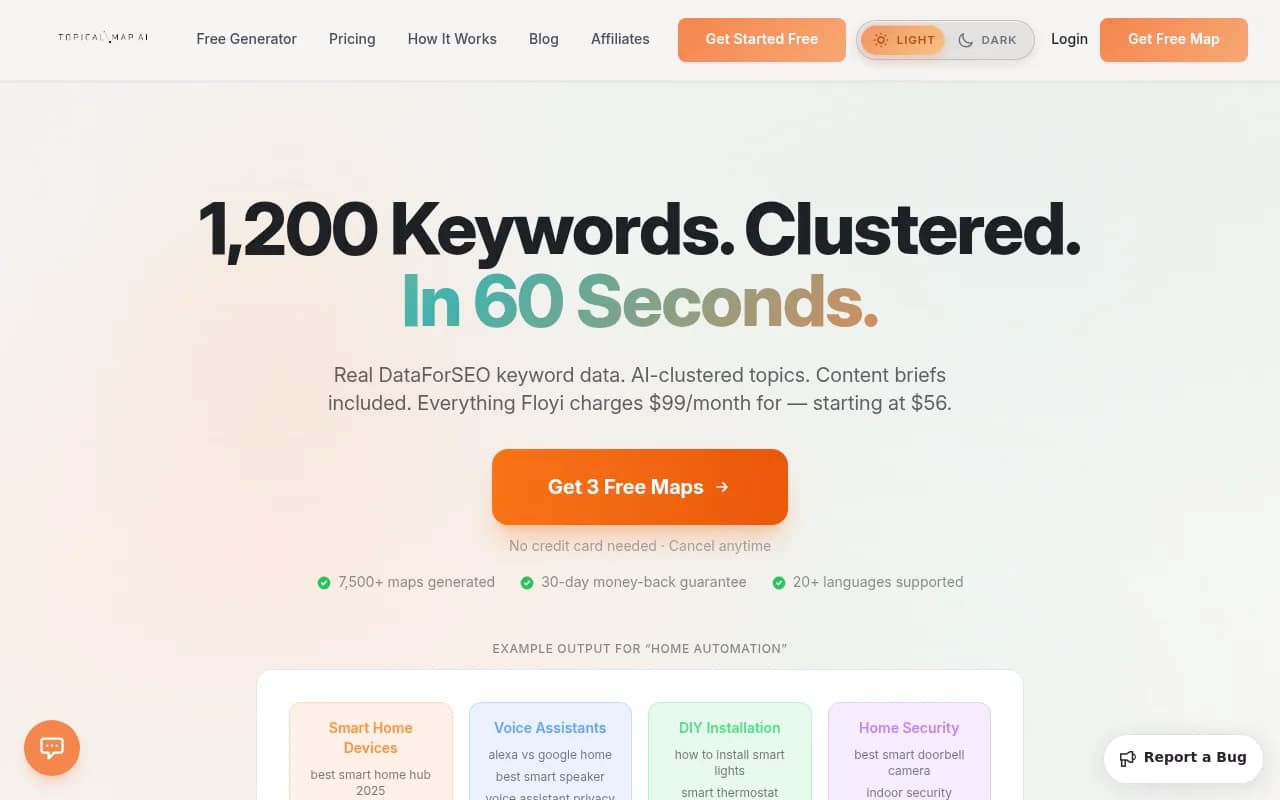
Topical Map AI helps you build out the topical depth that AI search rewards -- mapping the specific questions and sub-topics you need to cover to establish genuine authority in a niche.
Content at Scale is useful for producing the volume of specific, focused content that AI citation requires -- particularly for brands that need to close large content gaps quickly.
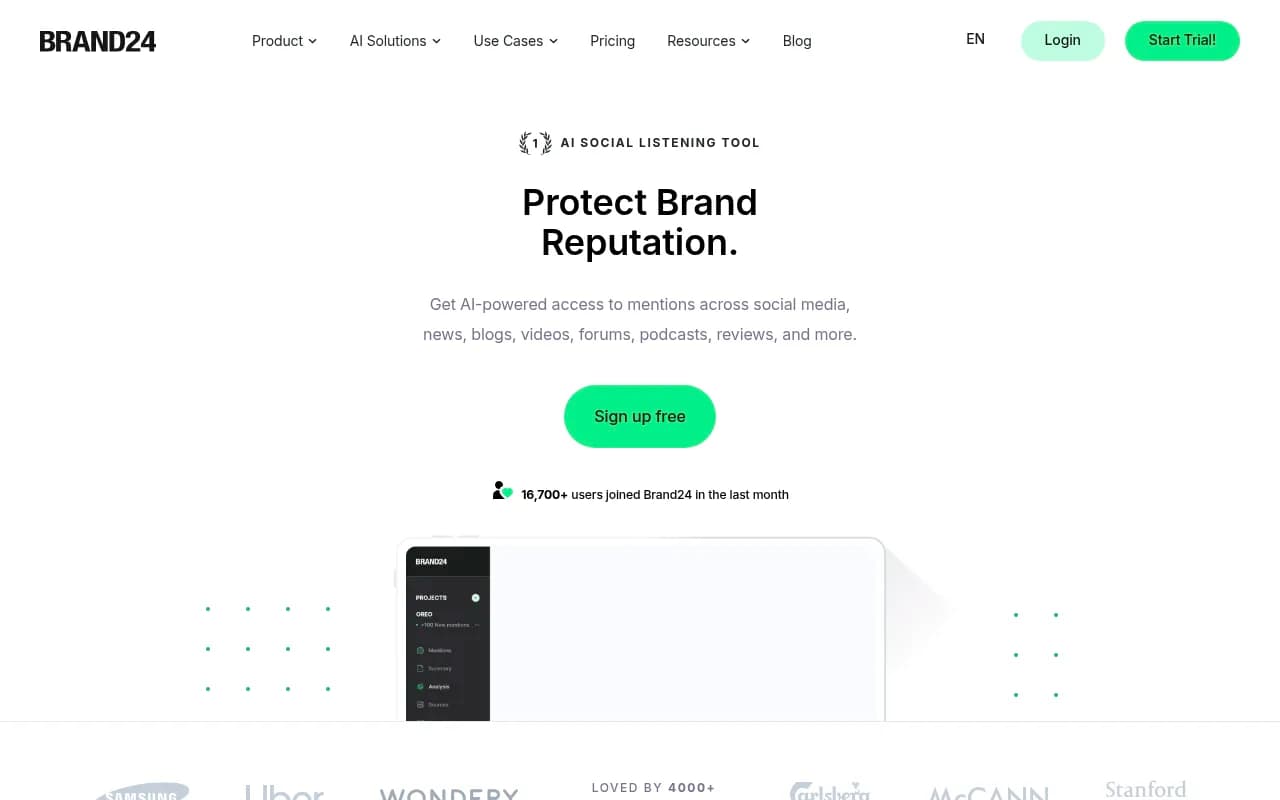
Brand24 tracks mentions across 25M+ sources, which is useful for monitoring the sentiment signals and citation velocity that are now influencing AI visibility.
A comparison of what drives AI citation vs. traditional SEO ranking
| Factor | Traditional Google SEO | ChatGPT citation (2026) |
|---|---|---|
| Domain age | Strong positive signal | Minimal weight |
| Backlink volume | Core ranking factor | Less important than citation quality |
| Content freshness | Moderate signal | Strong signal |
| Topical specificity | Helpful but not required | Critical |
| Sentiment signals | Not a direct factor | Active ranking input |
| Video content | Separate channel | Integrated into responses |
| Citation velocity | Not a concept | Meaningful signal |
| Structured data | Important for rich results | Important for AI crawlability |
| Community mentions | Indirect via links | Direct signal (quality-filtered) |
| Self-citation | Neutral | Filtered out |
The practical takeaway
The brands winning in AI search in 2026 aren't necessarily the biggest or oldest. They're the ones that have published specific, fresh, credible content around the exact questions their target audience is asking -- and gotten cited for it by sources ChatGPT trusts.
New websites have a structural advantage in some of these dimensions. But that advantage is temporary. Established brands that understand the new rules and adapt their content strategy can close the gap quickly -- and their existing brand recognition gives them a head start on sentiment signals once they get their content right.
The window where new websites can outrank established brands on AI search is real, but it won't stay open forever. The brands that move now, build topical depth, and track their AI citation performance are the ones that will hold those positions when the market catches up.