Key takeaways
- Instantly.ai and Smartlead are purpose-built cold email platforms with unlimited sending accounts and flat-rate pricing -- ideal for high-volume outbound teams and agencies.
- Apollo.io is primarily a sales intelligence and prospecting database; its email sending capabilities are secondary to its data layer.
- Deliverability infrastructure (dedicated inboxes, warmup, domain rotation) matters more than copy or AI personalization for cold email success.
- For multichannel outreach (email + LinkedIn + phone), Apollo or a combination of tools is the stronger choice.
- Choosing the wrong tool category -- like using a marketing automation platform for cold outreach -- can destroy your sender reputation.
Cold email in 2026 is a different game than it was three years ago. Google and Microsoft have tightened inbox filtering considerably. AI-generated sequences are everywhere, which means generic personalization no longer moves the needle. And the tools themselves have diverged sharply: some are doubling down on deliverability infrastructure, others are building toward full sales intelligence suites.
Three platforms dominate the conversation in most outbound teams right now: Instantly.ai, Smartlead, and Apollo.io. They're often mentioned in the same breath, but they solve meaningfully different problems. Picking the wrong one -- or using one for a job it wasn't built for -- is a fast way to burn domains and waste budget.
This guide breaks down where each platform excels, where it falls short, and which type of team should be using which tool.
Why the tool category matters more than features
Before comparing specific platforms, it's worth being direct about something that trips up a lot of teams: cold email platforms and marketing automation platforms are not interchangeable.
Tools like Mailchimp, HubSpot Marketing Hub, and Constant Contact send through shared IP pools. Inbox providers recognize those IPs and route the mail to Promotions or Spam. These platforms are built for opted-in subscriber lists, not 1-to-1 cold outreach. Using them for cold email doesn't just underperform -- it can get your account suspended and, worse, break your transactional email infrastructure in the process.
Cold email platforms like Instantly and Smartlead send through SMTP from real inboxes ([email protected]), distribute volume across multiple domains, and mimic organic human sending patterns. That technical distinction is what keeps emails landing in primary inboxes.
Apollo sits in a third category: it's a sales intelligence database first, with outreach capabilities layered on top. That's not a knock -- it's just important context for how you evaluate it.
Instantly.ai
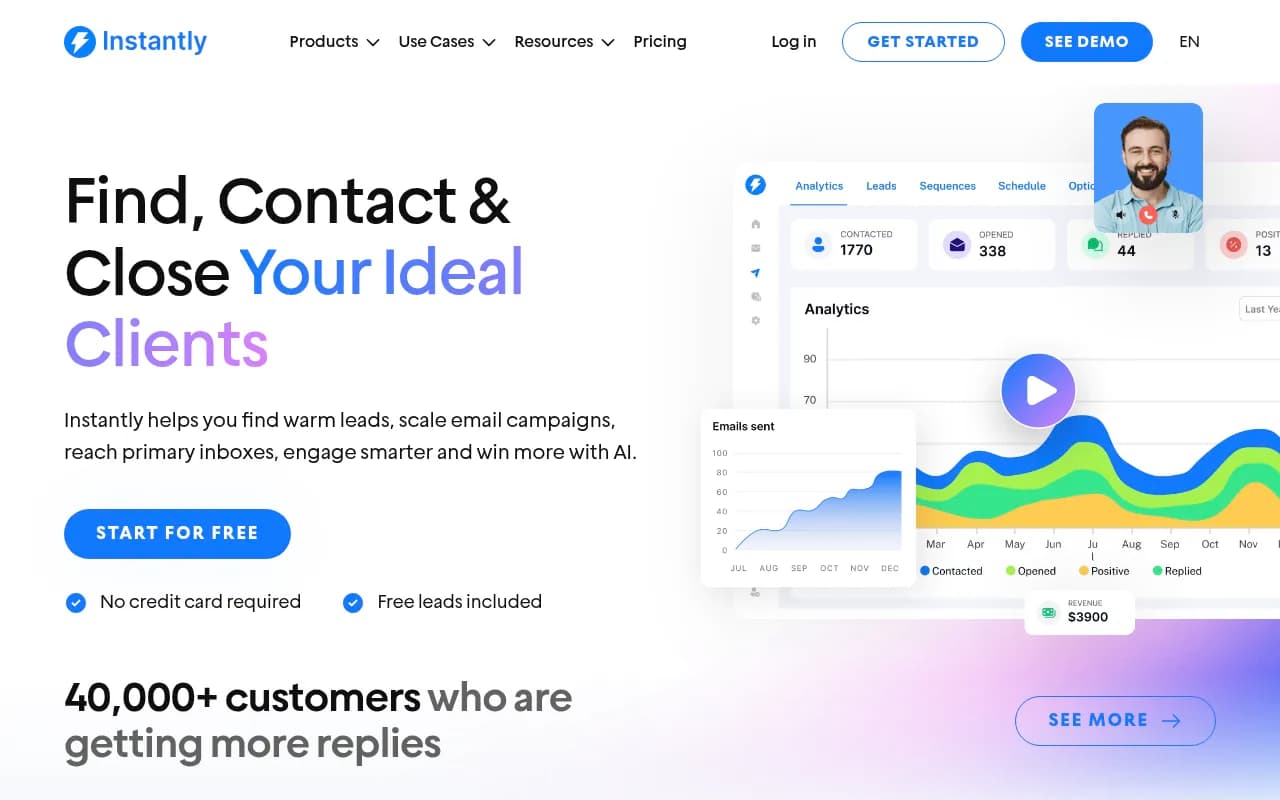
Instantly built its reputation on two things: unlimited sending accounts on a flat monthly fee, and a deliverability network that's genuinely large. The platform's warmup pool reportedly includes 4 million+ real accounts, which is a meaningful number when you're trying to establish sender reputation for new domains.
The pricing model is what makes Instantly attractive for agencies and growth teams running multiple clients. At $97/month for 100,000 sends, you're not paying per seat or per mailbox. That flat structure means you can scale sending volume without compounding software costs -- a real advantage when you're managing 10+ client campaigns simultaneously.
Where Instantly works well:
- High-volume cold email campaigns (10k+ sends/month)
- Agencies managing multiple client domains
- Teams that want built-in warmup without a separate tool
- Lean growth teams that need pipeline without per-seat penalties
Where Instantly falls short:
- Multichannel sequences (LinkedIn, phone, SMS) are limited or absent
- No built-in prospecting database -- you're bringing your own leads
- Intent signals and visitor analytics aren't part of the core product
The honest Reddit consensus on Instantly is that it's a solid, reliable email infrastructure tool. Not flashy, but it does what it says. Teams that have left Smartlead due to reliability issues often land here.
Smartlead
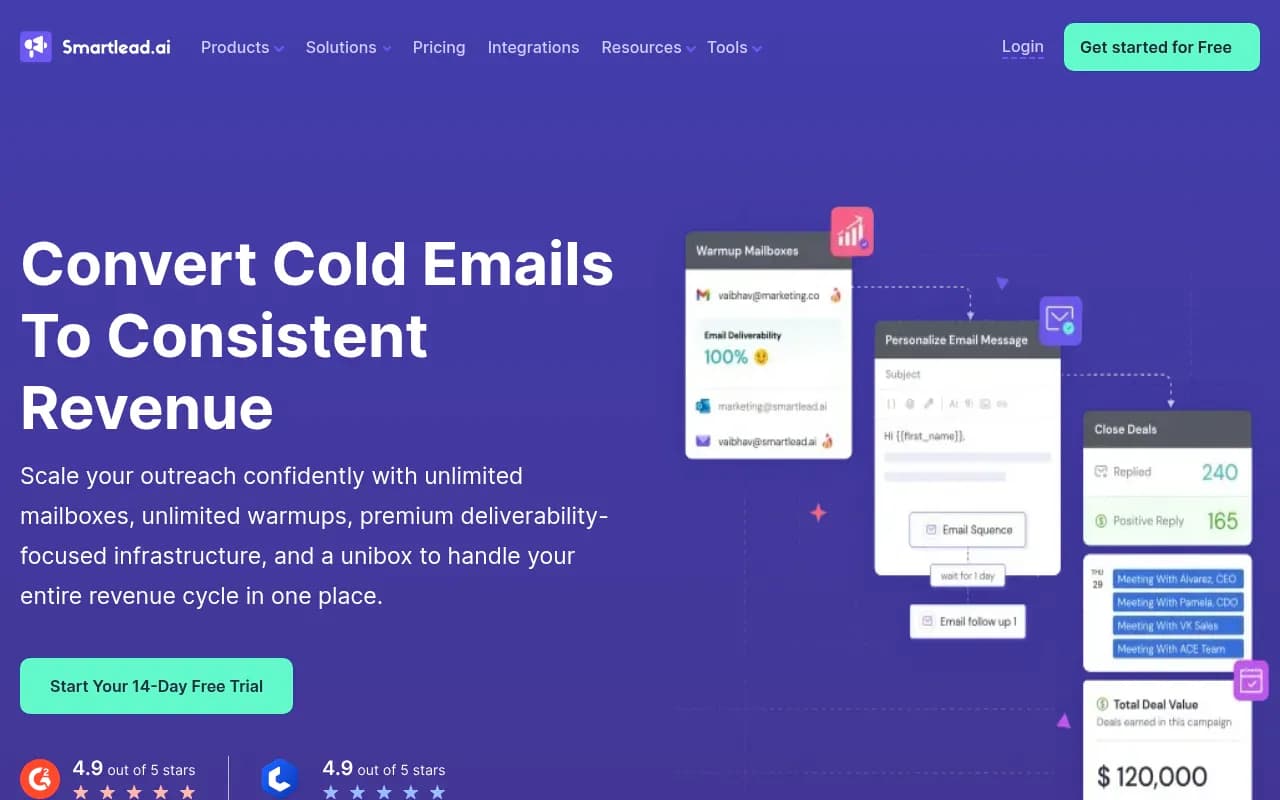
Smartlead and Instantly are direct competitors with nearly identical core models: unlimited email accounts, volume-based pricing, built-in warmup. If you put them side by side on a feature checklist, they look almost the same.
The differences show up in practice. Smartlead has faced criticism for reliability issues -- campaigns failing to send mid-flight, warmup pausing unexpectedly, analytics glitching. These aren't universal experiences, but they appear frequently enough in community discussions to be worth flagging.
On the upside, Smartlead has invested in its agency-facing features, including white-label options and client sub-accounts. For agencies that need to present a branded dashboard to clients, that matters.
Where Smartlead works well:
- Cold email agencies that need white-label client portals
- High-volume sending with multiple domains
- Teams already comfortable with the Instantly-style model who want an alternative
Where Smartlead falls short:
- Email-only: no LinkedIn, phone, or SMS channels
- No intent signals or visitor-level data
- Reliability has been a recurring complaint in the r/coldemail community
- Analytics are relatively basic -- open rates and reply rates, not much deeper
The comparison between Instantly and Smartlead often comes down to reliability preference and agency tooling. If white-label client reporting matters to you, Smartlead has an edge. If you want a cleaner, more stable experience, most practitioners lean toward Instantly.
Apollo.io
Apollo is a different beast. It's primarily a B2B prospecting database with over 275 million contacts, layered with outreach sequencing, dialer, and LinkedIn automation. The email sending capability exists, but it's not the main event.
This distinction matters enormously for how you evaluate it. On a pure cold email deliverability benchmark, Apollo doesn't compete with Instantly or Smartlead. Its sending infrastructure isn't built around the same warmup-and-rotation model. But if your problem is "I don't have a list and I need to find, enrich, and contact prospects in one workflow," Apollo is genuinely hard to beat.
The per-seat pricing ($49-$119/user/month depending on tier, with a limited free plan) adds friction as teams grow. A five-person SDR team on Apollo's Professional plan is a meaningful monthly commitment. That said, you're paying for the data layer, not just the sending tool -- and that data layer is the most valuable part.
Where Apollo works well:
- Teams that need prospecting + outreach in one platform
- SDR teams running multichannel sequences (email + phone + LinkedIn)
- Companies without an existing lead database
- Smaller teams where per-seat pricing doesn't compound painfully
Where Apollo falls short:
- Cold email deliverability infrastructure is weaker than dedicated platforms
- Per-seat pricing scales poorly for large teams or agencies
- Not designed for the kind of high-volume, multi-domain sending that Instantly and Smartlead handle natively
- The r/coldemail community is pretty consistent here: "Apollo is not meant to be an email tool. If you need it for prospecting, it's fine."
Head-to-head comparison
| Instantly.ai | Smartlead | Apollo.io | |
|---|---|---|---|
| Primary use case | Cold email sending | Cold email sending | Prospecting + outreach |
| Pricing model | Flat rate (volume-based) | Flat rate (volume-based) | Per seat |
| Starting price | ~$30/mo | ~$33/mo | Free / $49/user/mo |
| Unlimited mailboxes | Yes | Yes | No |
| Built-in warmup | Yes | Yes | Limited |
| Prospecting database | No | No | Yes (275M+ contacts) |
| Multichannel (LinkedIn, phone) | Limited | No | Yes |
| White-label / agency features | Limited | Yes | No |
| Intent signals | No | No | Limited |
| Deliverability focus | High | High | Moderate |
| Best for | Agencies, high-volume teams | Agencies needing white-label | SDR teams, prospecting-first |
How to think about combining tools
The most effective outbound stacks in 2026 often use Apollo for prospecting and Instantly (or Smartlead) for sending. The logic is straightforward: use Apollo to find and enrich leads, export them, then run the actual email sequences through a dedicated deliverability-focused platform.
This isn't a workaround -- it's a deliberate architecture choice. You get Apollo's data quality without relying on its email infrastructure for high-volume sending. The cost adds up, but for teams doing serious outbound volume, the deliverability difference justifies it.
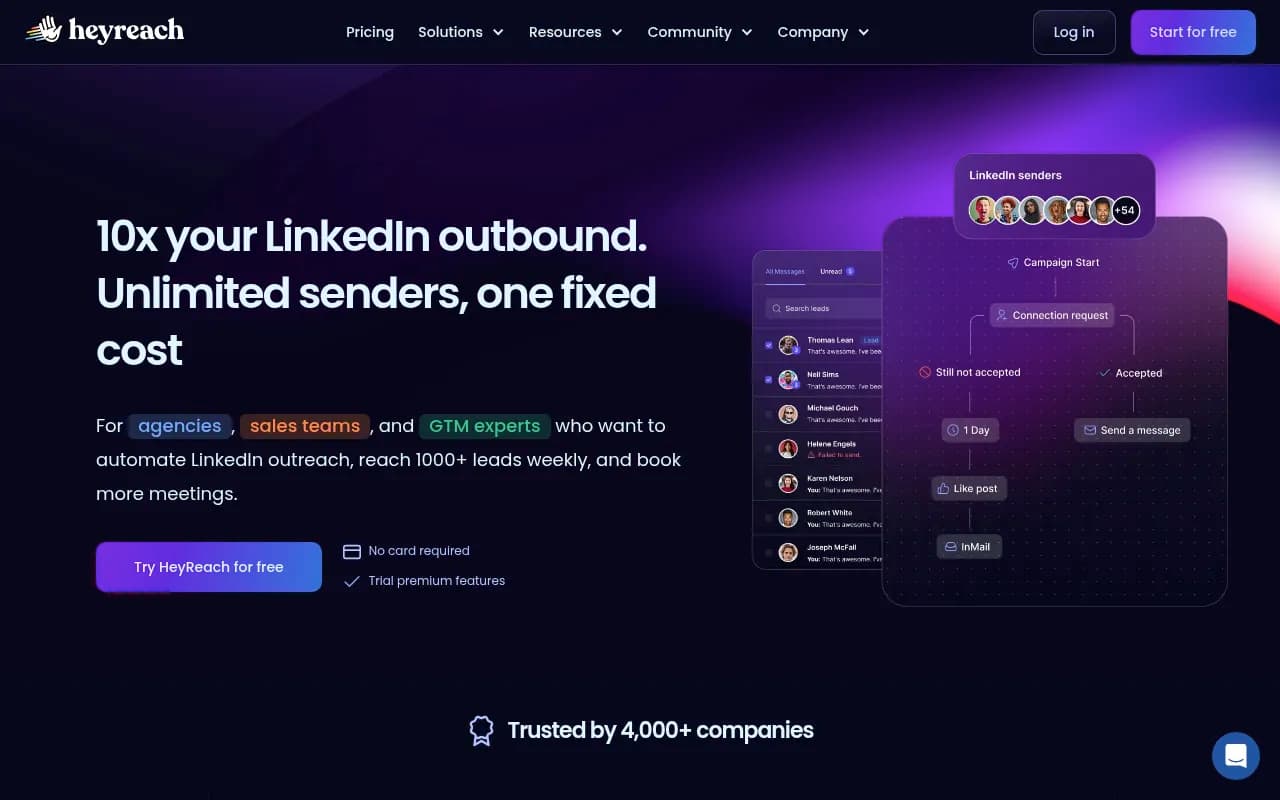
If you're running LinkedIn-heavy sequences alongside email, tools like HeyReach can complement either Instantly or Smartlead for the LinkedIn automation layer.
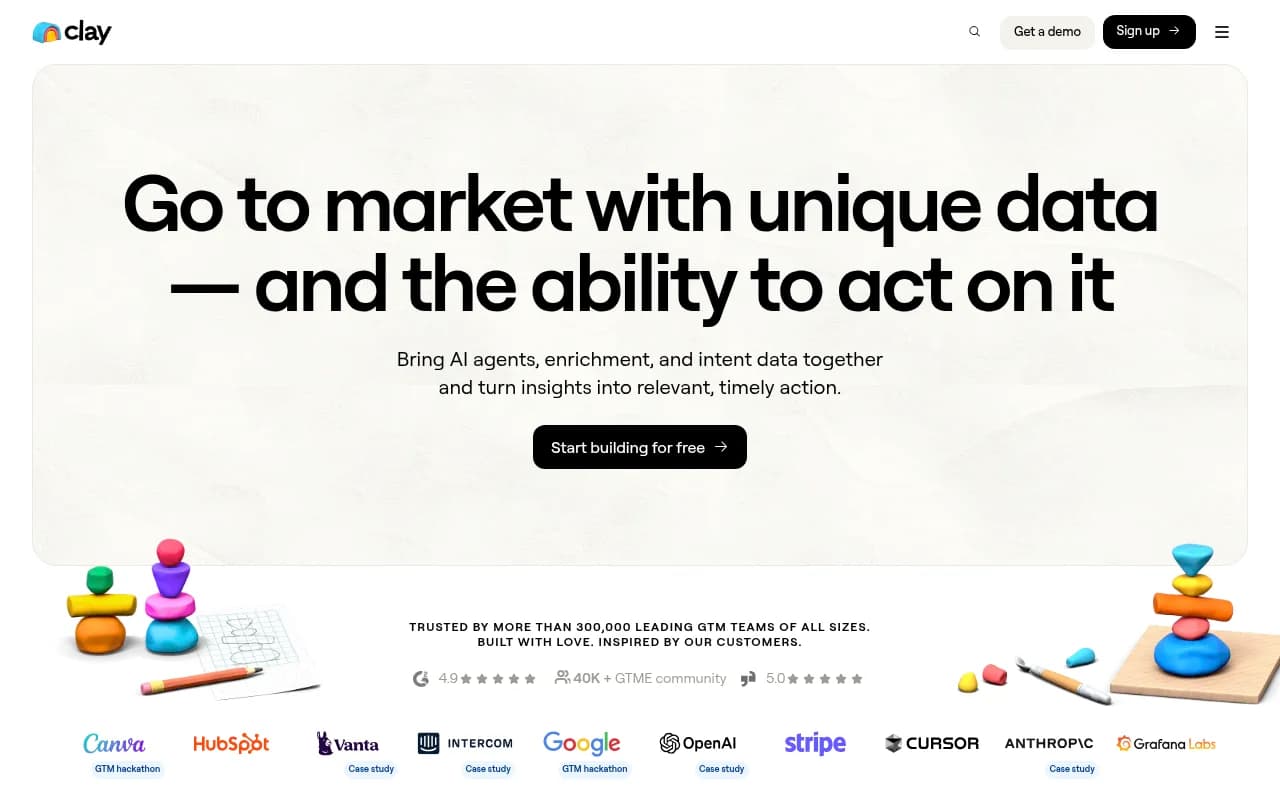
For data enrichment before sequences go out, Clay has become a standard part of the modern outbound stack -- it pulls from multiple data sources and can feed clean, enriched records into whichever sending platform you're using.
Common mistakes teams make in 2026
Using marketing automation for cold outreach. Still happens constantly. HubSpot's Marketing Hub, Mailchimp, and similar tools send from shared IPs that inbox providers recognize immediately. The result is Spam or Promotions placement, not primary inbox. If you're doing cold outreach, use a cold email platform.
Treating AI personalization as a deliverability fix. AI-generated icebreakers and personalized first lines are table stakes now. Everyone has them. They don't compensate for poor sender reputation or domain health. Infrastructure comes first.
Ignoring domain rotation. Sending high volume from a single domain is how you get that domain flagged. Both Instantly and Smartlead are built around multi-domain rotation -- use that feature, don't fight it.
Choosing Apollo for email volume. Apollo is excellent at what it does. High-volume cold email sending is not what it does. If your primary need is deliverability at scale, you need a dedicated platform.
Skipping warmup on new domains. New domains sent to cold prospects without a warmup period get flagged fast. Both Instantly and Smartlead include warmup tooling -- use it for at least 2-3 weeks before ramping volume.
Which tool is right for your team?
The answer depends almost entirely on where your bottleneck is.
If your bottleneck is sending infrastructure and deliverability -- you have leads, you just need to reach them reliably at volume -- Instantly is the cleaner choice in 2026. The flat pricing, large warmup network, and reliability track record make it the default recommendation for agencies and high-volume teams.
If your bottleneck is finding leads -- you're starting from scratch or your database is stale -- Apollo gives you the prospecting database and basic sequencing in one place. Accept that the email sending isn't its strongest suit and plan accordingly.
If you need multichannel sequences with LinkedIn and phone alongside email, Apollo is the only one of these three that handles it natively. Alternatively, build a stack: Instantly for email + HeyReach for LinkedIn.
If you're an agency that needs white-label client portals, Smartlead has features Instantly doesn't. Just go in with eyes open about the reliability complaints.
The worst outcome is picking a tool based on a feature checklist without understanding the underlying architecture. Cold email is an infrastructure problem before it's a copywriting or personalization problem. Get the foundation right first.
A note on the broader outbound stack
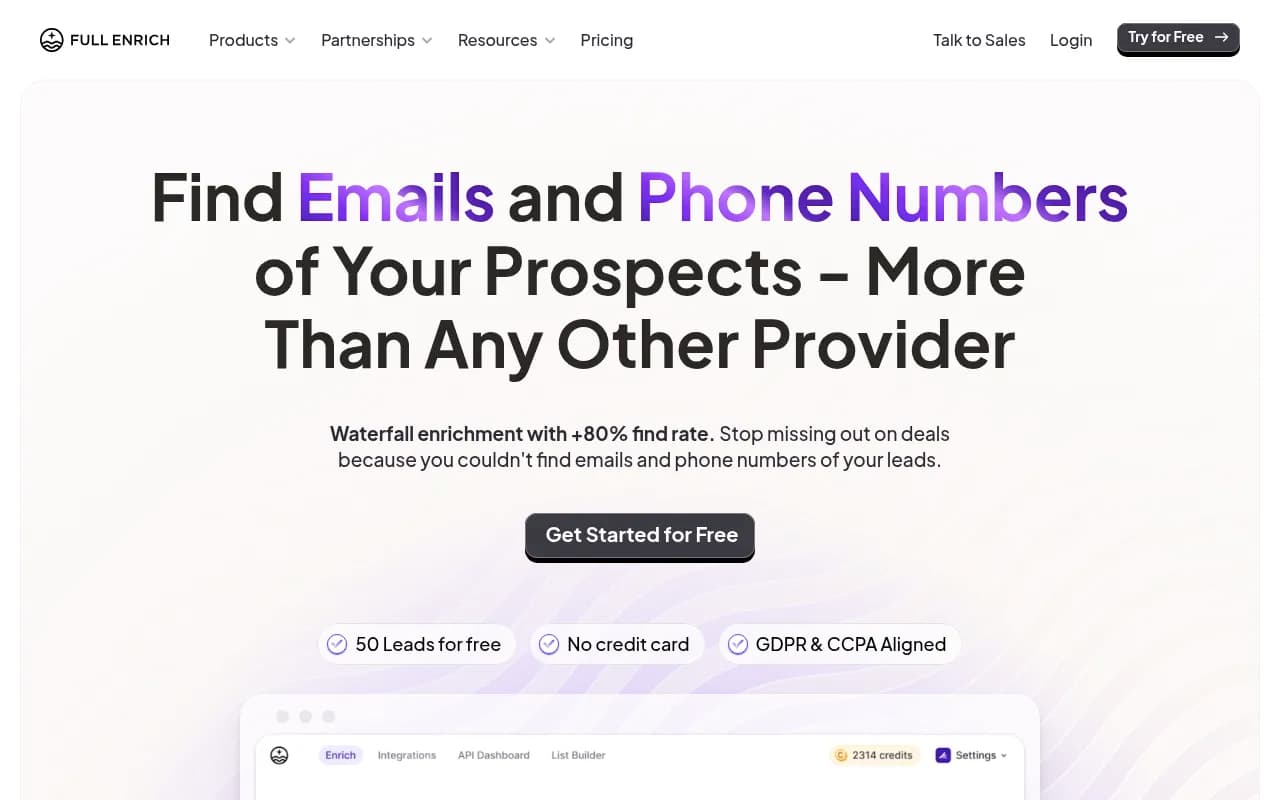
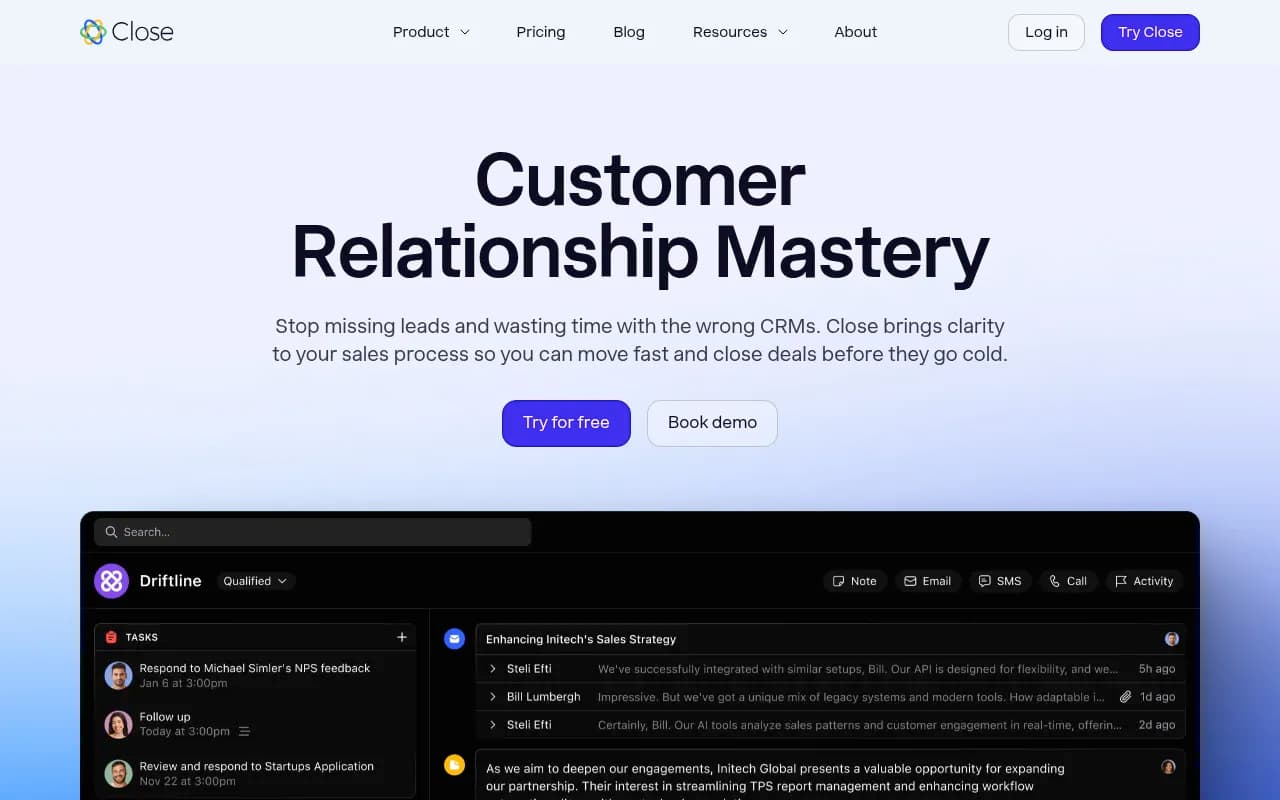
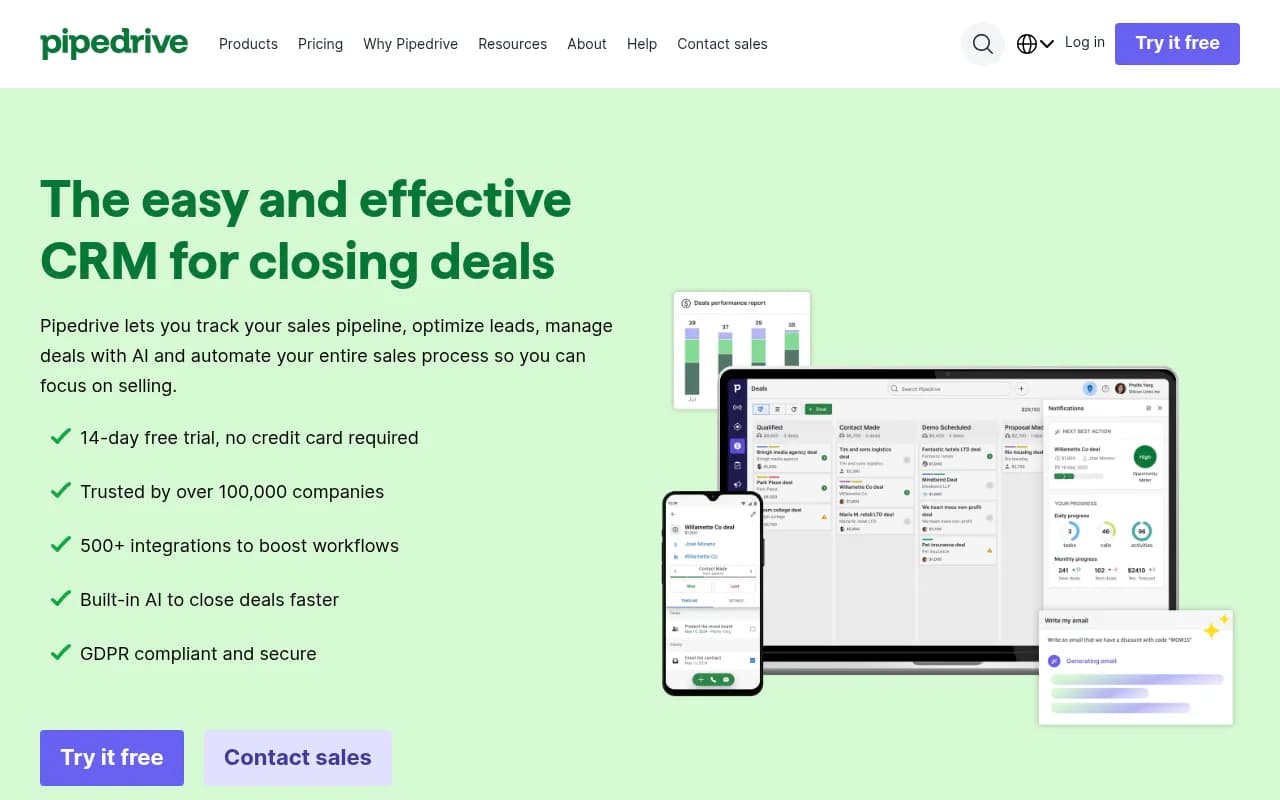
Cold email tools don't exist in isolation. The best outbound teams in 2026 are combining sending platforms with data enrichment (Clay, FullEnrich), CRM integration (Close CRM, Pipedrive), and intent data where available.
The cold email platform is the engine, but the quality of your list, the health of your domains, and the relevance of your messaging determine whether that engine actually moves the needle. No tool fixes a bad ICP or a weak value proposition -- but the right tool at least ensures your emails have a fighting chance of being seen.