Summary
- Real-time tracking catches AI citations as they happen, enabling immediate response to brand mentions, competitor moves, and ranking changes across ChatGPT, Perplexity, Claude, and other AI search engines
- Batch processing costs 60% less and handles high-volume monitoring efficiently, but introduces hours or days of delay that can mean missed opportunities
- In 2026, real-time analytics is no longer optional for competitive brands -- AI search results change faster than traditional SEO, and delays compound
- The best approach combines both: real-time alerts for critical prompts and competitors, batch processing for comprehensive visibility tracking and historical analysis
- Your choice depends on three factors: how fast your market moves, how much budget you have, and whether you're optimizing for reaction speed or analytical depth
Why the real-time vs batch question matters in AI citation tracking
AI search engines like ChatGPT, Perplexity, Claude, and Google AI Overviews update their responses constantly. A brand mentioned in ChatGPT's answer today might disappear tomorrow. A competitor cited in Perplexity this morning could be replaced by you this afternoon -- if you know it happened and can respond.
Traditional SEO moved slowly. You could check rankings weekly or even monthly and still stay competitive. AI search doesn't work that way. Citations shift in real-time as models ingest new content, user behavior changes, and algorithms adjust. The gap between when something happens and when you know about it directly determines whether you can act on it.
This creates a fundamental choice: do you track AI citations in real-time (processing each query as it happens) or in batches (collecting data over hours or days and analyzing it all at once)? Each approach has clear tradeoffs in cost, speed, and capability.
What real-time AI citation tracking actually means
Real-time processing monitors AI search engines continuously. When someone prompts ChatGPT with "best project management tools for remote teams," a real-time system captures that response immediately -- which brands were cited, in what order, with what context. You see the data within seconds or minutes.
This matters when:
- A competitor launches a new feature and starts appearing in AI responses you previously dominated
- Your brand suddenly drops from ChatGPT's recommendations for a high-value prompt
- A negative Reddit thread gets cited by Claude in response to questions about your product category
- You publish new content and want to see if AI models start citing it within hours, not days
Real-time tracking uses stream processing architectures. Data flows continuously through the system. Each event (a prompt, a citation, a ranking change) triggers immediate analysis. You get alerts, dashboards update live, and you can respond while the opportunity or threat is still fresh.
Platforms like Promptwatch offer real-time monitoring across 10+ AI models, with live alerts when your brand visibility changes and immediate updates to citation tracking dashboards.

The cost: real-time systems require more infrastructure. Servers run constantly, processing streams of data. API calls happen continuously. Storage grows faster. You pay for speed.
How batch processing works for AI visibility
Batch processing collects data over a period -- typically 6 hours, 12 hours, or 24 hours -- then analyzes it all at once. Think of it like taking a daily snapshot instead of recording a continuous video.
You define a set of prompts to track ("best CRM for small business," "top email marketing tools," "alternatives to Salesforce"). The system queries each AI model once per batch cycle. It captures which brands were cited, extracts the full responses, and stores everything. Then it runs analysis: visibility scores, ranking changes, citation counts, competitor comparisons.
Batch processing excels at:
- High-volume monitoring across hundreds or thousands of prompts
- Historical trend analysis over weeks and months
- Cost-efficient tracking when immediate alerts aren't critical
- Comprehensive competitive intelligence that doesn't require instant reaction
The tradeoff: you see yesterday's data today. If a competitor's new content gets cited by Perplexity at 9am, you won't know until your next batch runs at 6pm or midnight. That delay might not matter for long-term strategy work. It absolutely matters if you're trying to respond to a crisis or capitalize on a narrow window.
The cost difference is real and significant
Real-time processing costs roughly 60% more than batch processing for equivalent coverage. The gap comes from infrastructure, API usage, and data storage.
Real-time systems:
- Run continuously, not just during batch windows
- Make more API calls (checking for changes vs scheduled queries)
- Store more granular data (every event vs daily summaries)
- Require more complex architecture (stream processing vs simple job queues)
Batch systems:
- Run on a schedule, servers idle between batches
- Make predictable API calls (one query per prompt per cycle)
- Store aggregated data (daily snapshots vs minute-by-minute logs)
- Use simpler infrastructure (cron jobs, basic queues)
For a brand tracking 500 prompts across 5 AI models:
- Batch processing: ~$200-400/month
- Real-time processing: ~$500-800/month
The math changes based on prompt volume, model coverage, and how granular you need the data. But the pattern holds: real-time costs more, batch costs less.
When real-time tracking is worth the premium
Real-time makes sense when speed creates measurable value. Three scenarios where the premium pays off:
1. Competitive markets with fast-moving rankings
If your category has 10+ strong competitors all optimizing for AI visibility, citations shift daily. A competitor publishes a detailed comparison guide, and within hours ChatGPT starts citing them instead of you. Real-time alerts let you respond same-day -- update your content, publish a counter-piece, adjust your positioning.
Batch tracking means you discover the shift tomorrow or next week. By then, the competitor has solidified their position.
2. Crisis management and reputation monitoring
Negative content spreads fast. A critical Reddit thread, a bad review on a major site, a competitor's attack piece -- if AI models start citing it, you need to know immediately. Real-time monitoring catches these citations as they happen, giving you time to respond, publish rebuttals, or contact the source.
Batch processing means the damage compounds for hours or days before you even know it's happening.
3. High-value prompts where every citation counts
Some prompts drive significant revenue. "Best enterprise CRM" might influence millions in deals. "Top AI writing tools" could generate thousands of signups. For these prompts, real-time visibility into ranking changes, new competitors, and citation patterns justifies the cost.
You're not tracking for analytics -- you're tracking to win specific, high-stakes queries.
Platforms like Promptwatch combine real-time alerts with batch analysis, letting you monitor critical prompts in real-time while tracking the long tail in batches.
When batch processing is the smarter choice
Batch tracking works well when:
1. You're building long-term strategy, not reacting to daily changes
If your goal is understanding AI visibility trends over months, identifying content gaps, and planning your editorial calendar, batch data is sufficient. You don't need to know the exact hour a citation appeared -- you need to know which prompts you're missing, which competitors are gaining ground, and where to focus your content efforts.
Batch processing gives you that strategic view at a fraction of the cost.
2. You're tracking a large prompt set (500+ queries)
Real-time monitoring 1,000 prompts across 5 AI models means processing 5,000+ data points continuously. The cost adds up fast. Batch processing lets you monitor comprehensive prompt sets without breaking the budget.
You sacrifice immediacy but gain breadth. For most brands, knowing you're invisible for 200 prompts (even if you learn it tomorrow) is more valuable than real-time alerts on 50 prompts.
3. Your market moves slowly
Some categories are stable. B2B enterprise software, industrial equipment, specialized professional services -- these markets don't see daily ranking swings. A batch cycle every 12-24 hours captures meaningful changes without the overhead of real-time processing.
If your competitors aren't publishing daily and AI citations shift weekly, not hourly, batch is the right call.
The hybrid approach most brands actually need
The real answer isn't "real-time" or "batch" -- it's both, applied strategically.
Smart AI visibility strategies use:
-
Real-time monitoring for critical prompts: Track your top 20-50 highest-value queries in real-time. These are the prompts that drive revenue, define your category, or represent competitive battlegrounds. You need immediate alerts when rankings change.
-
Batch processing for comprehensive coverage: Monitor 500-2,000 prompts in daily or twice-daily batches. This gives you the strategic view -- which topics you're missing, where competitors are gaining ground, how your overall visibility trends over time.
-
Real-time alerts for competitor moves: Set up alerts that trigger when specific competitors appear in AI responses for your tracked prompts. You don't need real-time data on every query, but you do need to know immediately when a competitor makes a move.
-
Batch analysis for content planning: Use batch data to identify gaps, prioritize content creation, and measure the impact of optimization efforts over weeks and months.
This hybrid model balances cost and capability. You pay for real-time speed where it matters, and you use batch efficiency for everything else.
How to decide which approach fits your situation
Ask three questions:
1. How fast does your market move?
If competitors publish daily, AI citations shift hourly, and ranking changes happen fast, lean toward real-time. If your market is stable and changes unfold over weeks, batch is fine.
2. What's your budget?
Real-time costs more. If you're a startup or small team with limited budget, start with batch processing. Add real-time monitoring for critical prompts as budget allows. If you're an enterprise brand with serious AI visibility goals, the real-time premium is justified.
3. Are you optimizing for reaction or analysis?
Real-time is for reacting -- catching changes as they happen and responding immediately. Batch is for analyzing -- understanding patterns, identifying gaps, and planning strategy. Most brands need both, but your primary goal determines the balance.
Platform comparison: real-time vs batch capabilities
| Platform | Real-time monitoring | Batch processing | Hybrid approach | Best for |
|---|---|---|---|---|
| Promptwatch | Yes (live alerts) | Yes (scheduled) | Yes | Brands needing both speed and depth |
| Otterly.AI | Limited | Yes | No | Budget-conscious batch monitoring |
| Peec.ai | No | Yes | No | Multi-language batch tracking |
| Search Party | Limited | Yes | No | Agency reporting and analysis |
| Profound | Yes | Yes | Yes | Enterprise teams with budget |
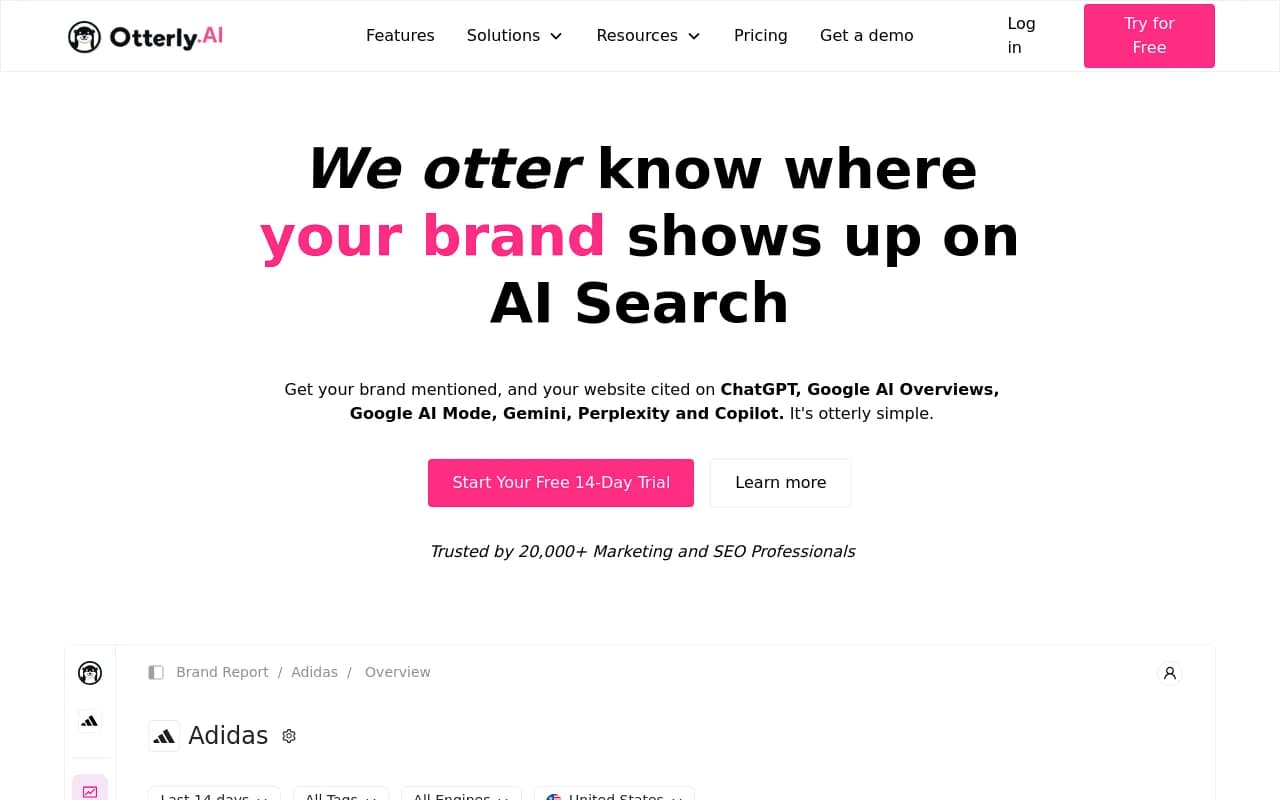
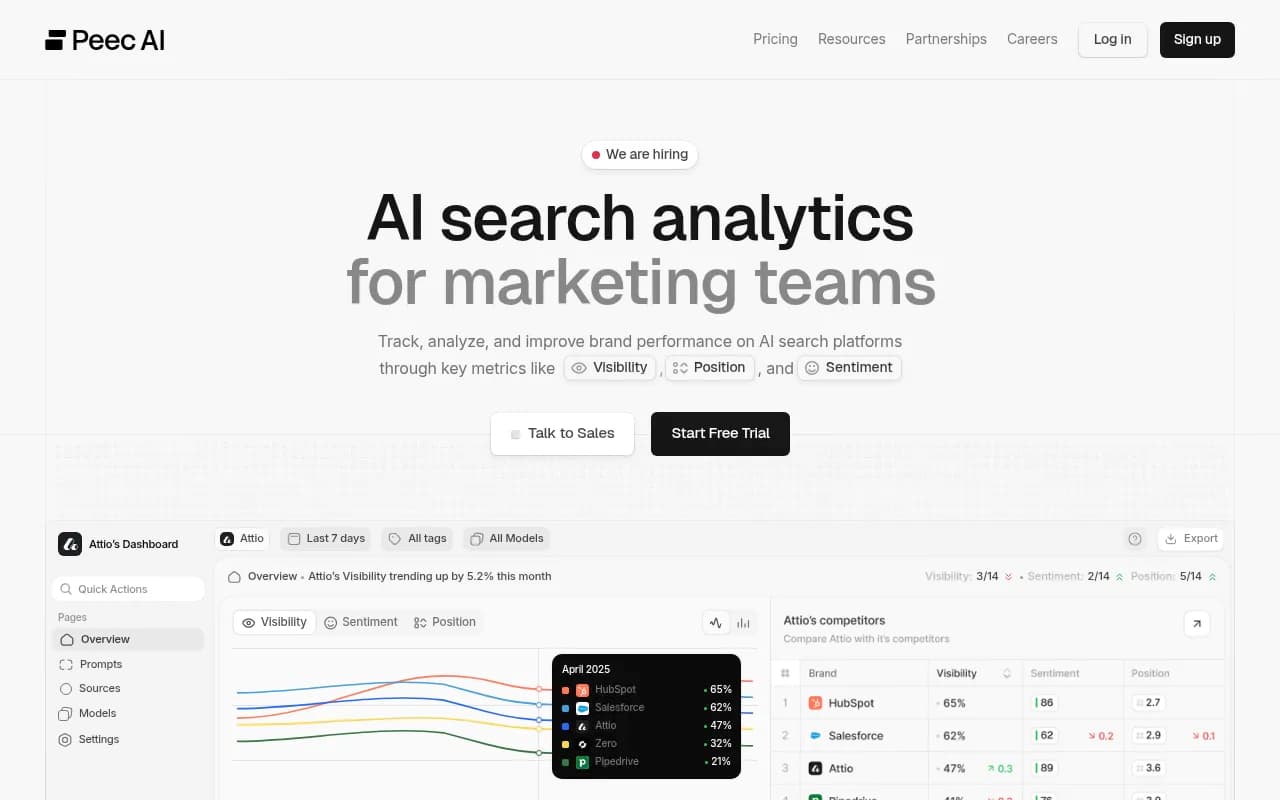
Most AI visibility platforms default to batch processing because it's cheaper to operate and sufficient for most use cases. Real-time capabilities require more sophisticated infrastructure and cost more to run, so they're typically reserved for premium tiers or enterprise plans.
The technical reality: what "real-time" actually means
When platforms claim "real-time" monitoring, understand what that means in practice:
-
True real-time: Data processed within seconds of an event. Alerts trigger immediately. Dashboards update live. This is expensive and rare.
-
Near real-time: Data processed within minutes (5-15 minutes). Alerts arrive quickly but not instantly. Most "real-time" platforms operate here.
-
Micro-batch: Data collected continuously but processed in small batches (every 15-30 minutes). Feels real-time but technically isn't. Common middle ground.
-
Batch: Data collected and processed on a schedule (hourly, daily). Clear delay between event and visibility.
The distinction matters for expectations. If you're paying for "real-time" monitoring, clarify whether that means seconds, minutes, or something else.
What 2026 data tells us about monitoring frequency
Industry analysis shows real-time analytics becoming standard for competitive brands. Traditional batch processing that worked in 2024 is falling behind as AI search results change faster than SEO ever did.
Key trends:
- 67% of enterprise marketing teams now use real-time monitoring for at least some AI visibility tracking
- Brands using real-time alerts respond to competitor moves 3-5x faster than batch-only teams
- The cost premium for real-time processing has dropped 40% since 2024 as infrastructure improves
- Hybrid approaches (real-time + batch) are becoming the default for serious AI visibility programs
The takeaway: real-time isn't a luxury anymore. It's becoming table stakes for brands that want to compete in AI search.
Implementation advice: start with batch, add real-time strategically
If you're building an AI visibility program from scratch:
Month 1-2: Batch foundation
Start with batch monitoring. Track 200-500 prompts across your key AI models. Run daily batches. Focus on understanding your baseline visibility, identifying gaps, and mapping the competitive landscape.
This gives you the strategic view without the cost of real-time infrastructure.
Month 3-4: Identify critical prompts
Analyze your batch data to find the 20-50 prompts that matter most -- highest search volume, strongest commercial intent, most competitive, or most aligned with your business goals.
These become your real-time monitoring targets.
Month 5+: Add real-time for critical queries
Enable real-time monitoring for your critical prompt set. Set up alerts for ranking changes, new competitors, and citation losses. Keep batch processing for everything else.
This hybrid approach gives you speed where it matters and efficiency everywhere else.
Tools that support both approaches
Promptwatch offers real-time monitoring across 10 AI models with immediate alerts, plus batch processing for comprehensive prompt coverage. You can mix and match based on prompt priority.
Other platforms with hybrid capabilities:
- Profound: Real-time alerts for enterprise clients, batch processing for standard plans
- Bluefish AI: Configurable monitoring frequency from real-time to daily batches
- Scrunch: Near real-time updates with batch historical analysis
Most platforms default to batch but offer real-time upgrades. Check pricing carefully -- the cost difference can be significant.
The bottom line: match monitoring speed to business need
Real-time AI citation tracking isn't inherently better than batch processing. It's faster and more expensive. Batch processing isn't worse -- it's more efficient and introduces delay.
The right choice depends on your specific situation:
- Fast-moving competitive markets need real-time monitoring
- Strategic planning and analysis work fine with batch processing
- Most brands benefit from a hybrid approach: real-time for critical prompts, batch for comprehensive coverage
- Budget constraints push toward batch; competitive pressure pushes toward real-time
Start by understanding how fast your market moves and how quickly you need to react. Then choose the monitoring approach that matches that reality. Don't overpay for real-time speed you don't need. Don't handicap yourself with batch delays when competitors are moving faster.
The platforms that win in 2026 are the ones that let you choose -- real-time when it matters, batch when it doesn't, and the flexibility to adjust as your needs evolve.