Key takeaways
- Google AI Overviews appear in roughly half of all searches, making AI visibility tracking no longer optional for serious marketing teams
- Most platforms only monitor -- they show you data but don't help you act on it
- The best tools in 2026 combine tracking, gap analysis, and content optimization in one workflow
- Google AI Mode (the conversational, agentic version of Google search) requires separate tracking from AI Overviews -- not all platforms cover both
- Pricing ranges from free tiers to $500+/month for enterprise plans; the right choice depends heavily on whether you need monitoring alone or a full optimization loop
If you've noticed a drop in organic traffic over the past year without a corresponding drop in rankings, Google AI Overviews is probably part of the story. Google now generates AI-powered summaries at the top of search results for a huge share of queries -- and when a user gets their answer directly from that summary, they often don't click through to any website.
Google AI Mode takes this further. It's a fully conversational search experience that reasons across multiple queries, pulling from a wider set of sources and generating longer, more detailed responses. It's still rolling out, but it's already reshaping how high-intent queries get answered.
The question for marketers is: does your brand show up in those responses? And if not, what do you do about it?
That's what this guide covers. We'll look at the platforms built specifically to track Google AI Overviews and AI Mode, compare their features honestly, and help you figure out which one fits your situation.
Why Google AI Overviews and AI Mode need dedicated tracking
Traditional rank tracking tools tell you where you rank for a keyword. That's useful, but it doesn't tell you whether you appear in the AI-generated summary above the organic results -- which is increasingly where user attention goes first.
AI Overviews and AI Mode work differently from standard rankings:
- They synthesize content from multiple sources rather than ranking a single page
- Your brand can be cited without your page being in the top 10 organic results
- Conversely, you can rank #1 organically and still be absent from the AI summary
- Sentiment matters -- AI models can mention your brand negatively or in a context you didn't intend
- The sources cited change frequently as models are updated
None of this shows up in Google Search Console or a standard rank tracker. You need tools that actually query these AI systems, analyze the responses, and track changes over time.
What separates a good AI visibility platform from a basic one
Before getting into specific tools, it's worth being clear about what actually matters when evaluating these platforms.
The minimum viable feature set for tracking Google AI Overviews and AI Mode includes:
- Automated prompt querying across Google AI Overviews and AI Mode specifically (not just ChatGPT or Perplexity)
- Brand mention detection and sentiment analysis in AI responses
- Competitor comparison -- who else is being cited for the same prompts
- Historical tracking so you can see trends over time
- Page-level attribution -- which of your pages are being cited
The more advanced platforms add:
- Content gap analysis (what topics are your competitors visible for that you're not)
- AI content generation tools that create pages designed to get cited
- Crawler logs showing when AI bots visit your site
- Prompt volume and difficulty scoring to prioritize effort
- Traffic attribution connecting AI citations to actual visits and revenue
The gap between "monitoring only" and "monitoring plus optimization" is significant. A lot of platforms in this space show you a dashboard of how visible you are, then leave you to figure out what to do next. The better ones close that loop.
The top platforms for tracking Google AI Overviews and AI Mode in 2026
Promptwatch
Promptwatch is the platform I'd recommend first for teams that want to go beyond tracking. It monitors 10 AI models including Google AI Overviews, Google AI Mode, ChatGPT, Claude, Perplexity, Gemini, Grok, DeepSeek, Copilot, and Mistral -- which is more comprehensive coverage than most competitors.
What makes it different is the action loop. Most platforms show you visibility scores and stop there. Promptwatch shows you which prompts your competitors rank for that you don't (Answer Gap Analysis), then gives you a built-in AI writing agent to create content specifically engineered to get cited. The content generation is grounded in 880M+ real citations analyzed, not generic SEO templates.
It also has AI crawler logs -- real-time data on when ChatGPT, Claude, Perplexity, and other AI bots crawl your site, which pages they read, and what errors they hit. Most competitors don't have this at all. For Google AI Overviews specifically, understanding crawl behavior is often the first step to fixing indexing issues.
Pricing: Essential at $99/mo (1 site, 50 prompts), Professional at $249/mo (2 sites, 150 prompts, crawler logs), Business at $579/mo (5 sites, 350 prompts). Free trial available.

Profound
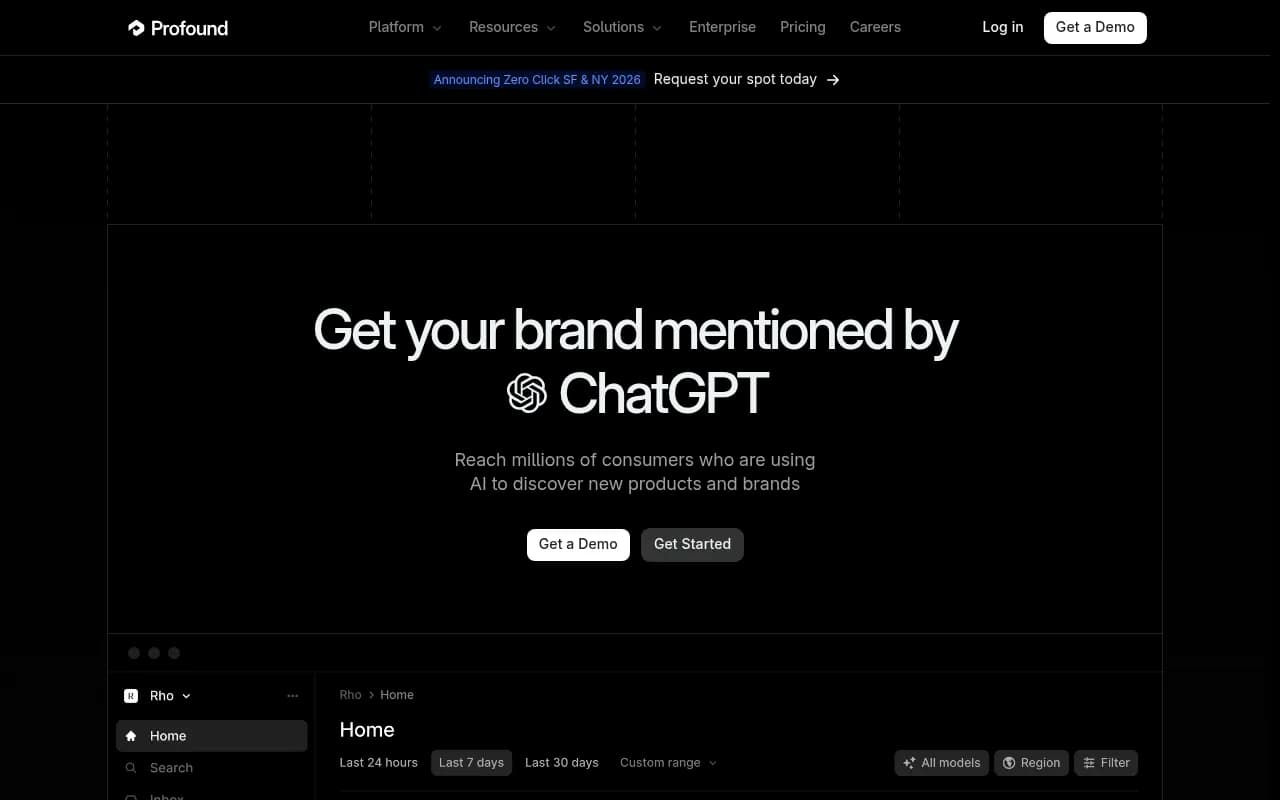
Profound is a strong enterprise option with solid Google AI Overviews coverage. It's built for larger teams and tends to be priced accordingly. The platform has good competitive benchmarking features and handles multi-brand monitoring well. The main limitation is that it's primarily a monitoring tool -- there's no built-in content generation or gap analysis that tells you specifically what to write. You get the data, then you're on your own.
Otterly.AI
Otterly is one of the more accessible entry points into AI visibility tracking. It covers the major AI platforms including Google AI Overviews and is priced for smaller teams and solo marketers. The interface is clean and the setup is fast. The trade-off is depth -- it's a monitoring dashboard without optimization features, no crawler logs, and limited prompt intelligence. Good for getting started, but you'll likely outgrow it.

Semrush
Semrush added AI Overviews tracking to its existing SEO suite, which makes it attractive if you're already a Semrush customer. The integration with keyword data and organic rankings is genuinely useful -- you can see how your AI visibility correlates with your traditional SEO performance. The limitation is that Semrush uses fixed prompt sets rather than letting you define custom prompts, which means you're tracking what Semrush decides to track rather than the specific queries your customers actually use.
Ahrefs Brand Radar
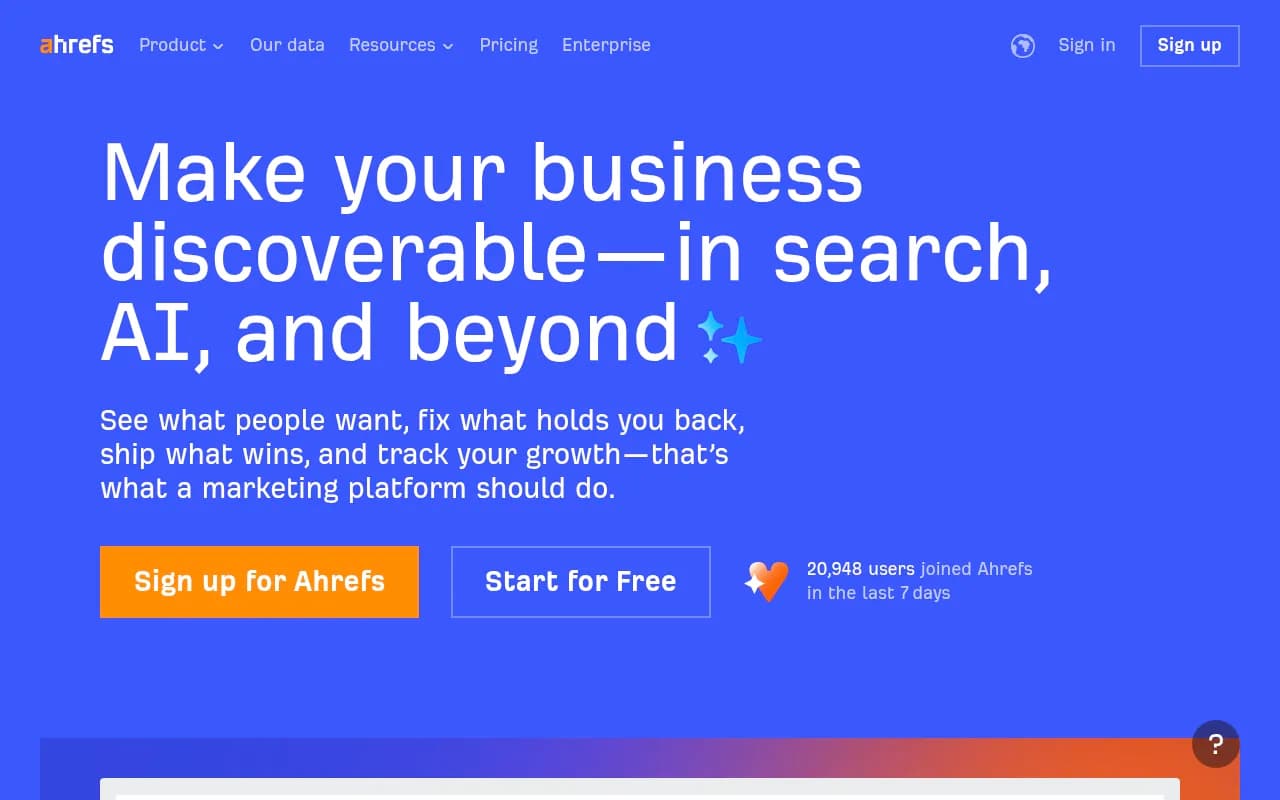
Ahrefs Brand Radar is the AI visibility layer built into Ahrefs. Like Semrush, it benefits from being part of a larger SEO platform with deep backlink and keyword data. The fixed prompt limitation applies here too, and there's no AI traffic attribution -- you can't connect AI citations to actual website visits. Useful as a supplementary signal if you're already in the Ahrefs ecosystem.
Peec AI
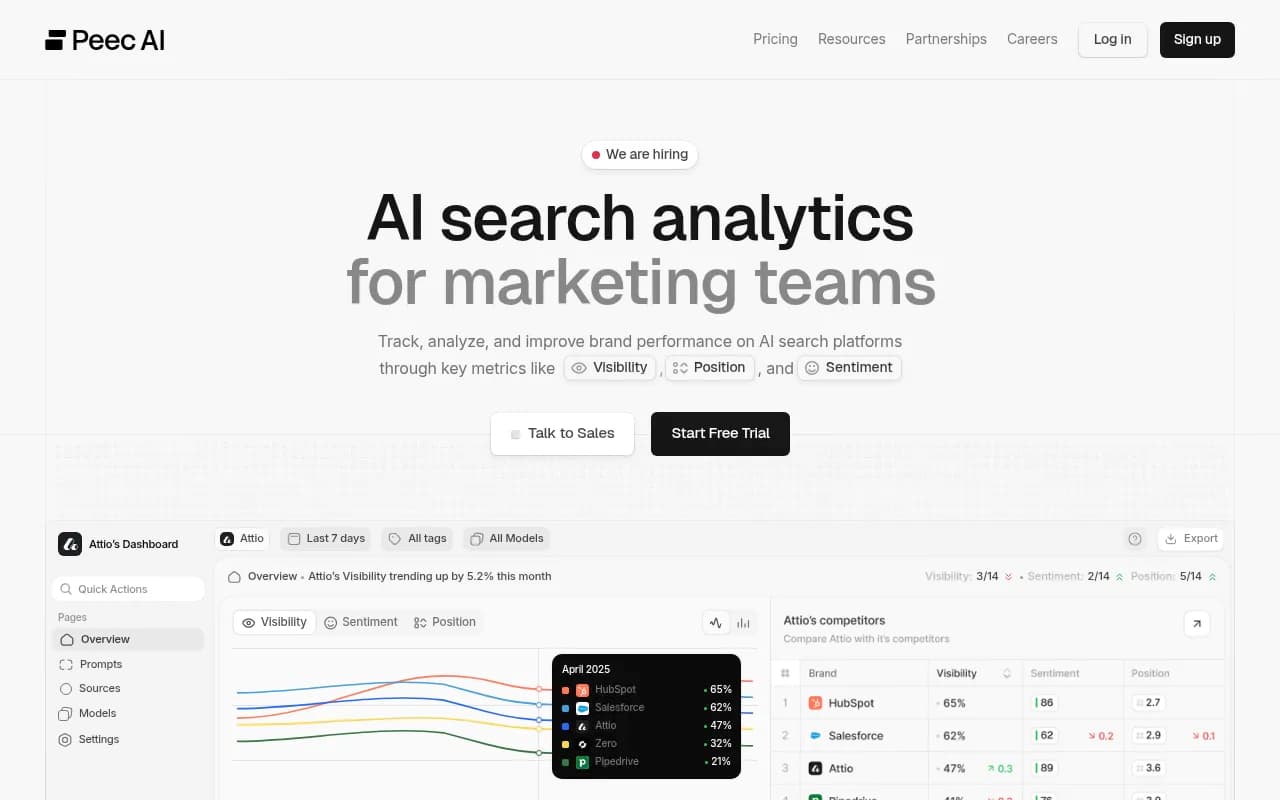
Peec AI focuses on multi-language AI visibility tracking, which makes it worth considering for international brands. It covers Google AI Overviews among other platforms and has reasonable competitive benchmarking. Like most mid-tier tools in this space, it's monitoring-focused without content optimization capabilities.
Scrunch AI
Scrunch AI has a decent feature set for tracking brand mentions across AI platforms including Google's AI surfaces. It's positioned toward mid-market teams and has some competitive analysis features. The pricing is on the higher end for what it offers compared to platforms that include content generation.
Gauge
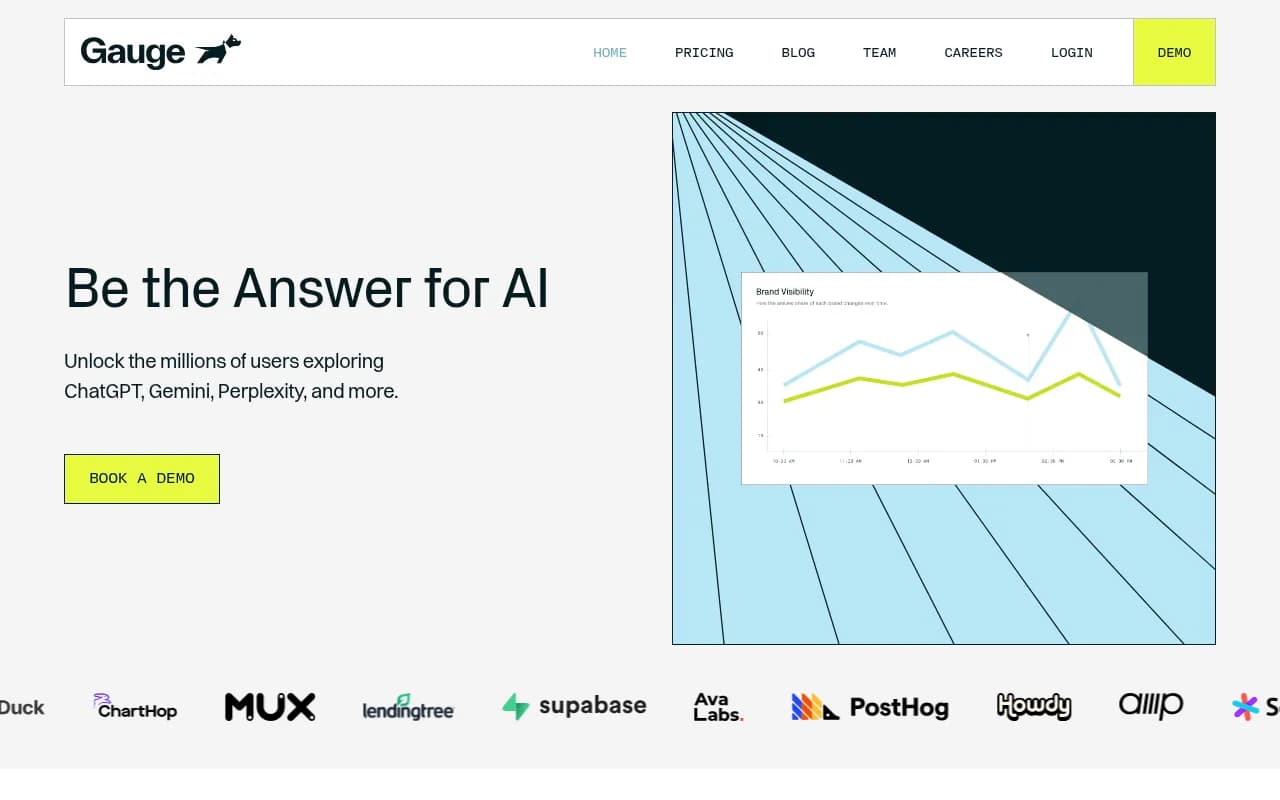
Gauge is worth a mention specifically because of how it handles Google's AI surfaces. According to their documentation, all plans include Google AI Overviews tracking, while Gemini and Google AI Mode are available as add-ons. That tiered approach to Google coverage is unusual -- most platforms either include all Google AI surfaces or none. If Google specifically is your priority and budget is a constraint, this structure might work in your favor.
SE Ranking (SE Visible)
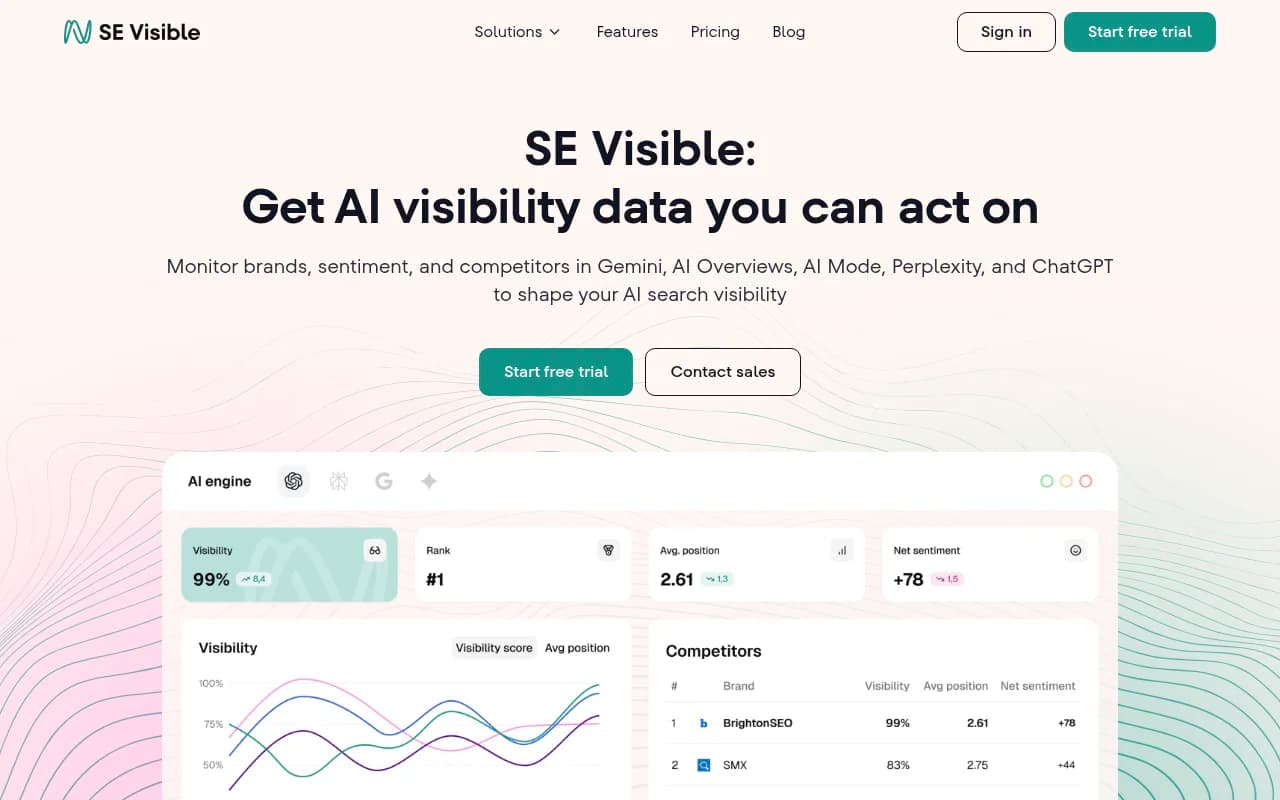
SE Ranking's AI visibility product, SE Visible, covers AI search tracking with a focus on sentiment analysis alongside mention tracking. It's part of a broader SEO suite which helps with context, and the pricing is competitive. Coverage of Google AI Mode specifically is worth verifying before committing.
Athena HQ
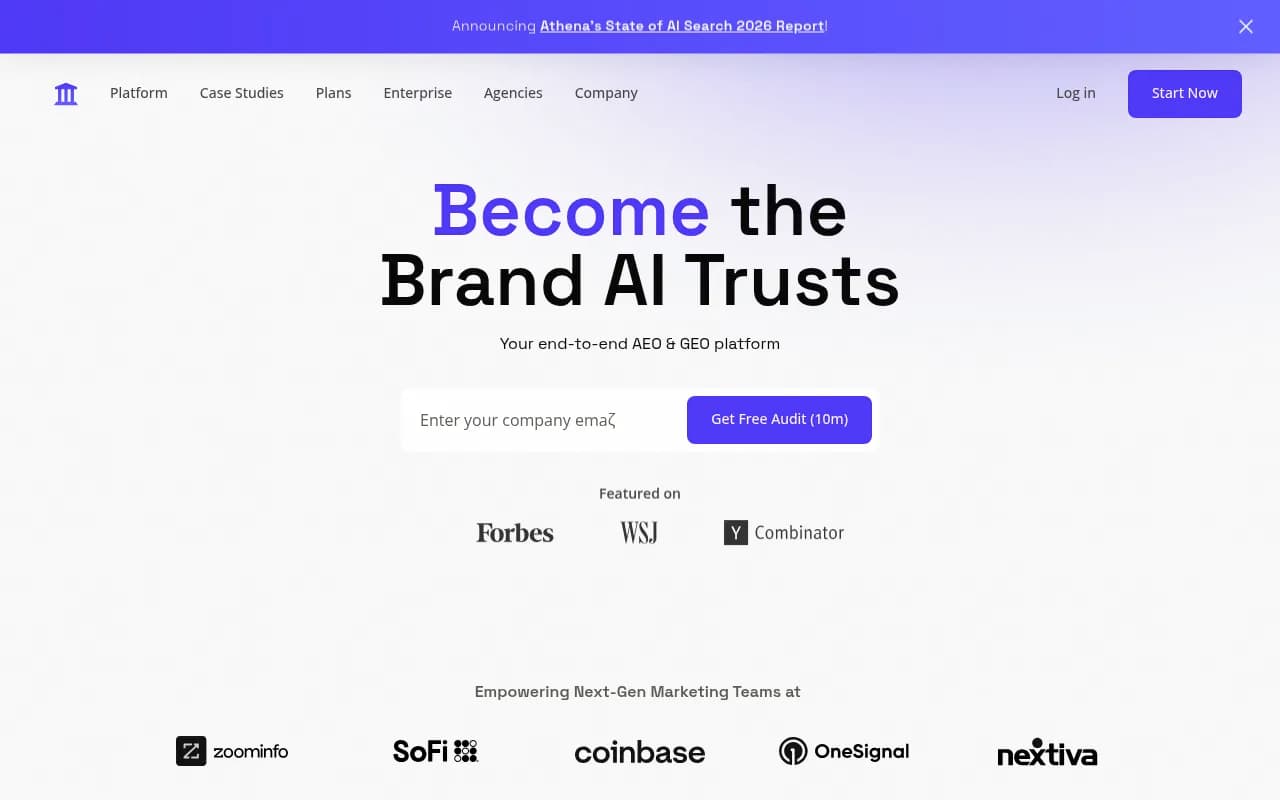
AthenaHQ covers 8+ AI search engines and has a clean interface for tracking brand visibility. It's monitoring-focused, which is fine if that's all you need, but there's no content gap analysis or generation tools to act on what you find.
Feature comparison table
| Platform | Google AI Overviews | Google AI Mode | Custom prompts | Content generation | Crawler logs | Prompt volume data | Starting price |
|---|---|---|---|---|---|---|---|
| Promptwatch | Yes | Yes | Yes | Yes | Yes | Yes | $99/mo |
| Profound | Yes | Limited | Yes | No | No | Limited | Custom |
| Otterly.AI | Yes | No | Yes | No | No | No | ~$49/mo |
| Semrush | Yes | No | No (fixed) | No | No | No | Add-on |
| Ahrefs Brand Radar | Yes | No | No (fixed) | No | No | No | Add-on |
| Peec AI | Yes | Limited | Yes | No | No | No | ~$49/mo |
| Scrunch AI | Yes | Yes | Yes | No | No | No | Custom |
| Gauge | Yes | Add-on | Yes | No | No | No | ~$79/mo |
| SE Visible | Yes | Limited | Yes | No | No | No | ~$39/mo |
| AthenaHQ | Yes | Yes | Yes | No | No | No | Custom |
Pricing and feature availability change frequently -- verify directly with each vendor before purchasing.
Google AI Overviews vs Google AI Mode: why the distinction matters
These two products are often lumped together but they behave differently and require different optimization strategies.
Google AI Overviews appear inline in standard search results. They're triggered by specific query types -- typically informational queries where Google determines a synthesized answer would be helpful. The sources cited tend to be authoritative, well-structured pages that directly answer the query.
Google AI Mode is a separate, opt-in search experience that's more like a conversation. It handles multi-step reasoning, follow-up questions, and complex research tasks. The source selection is different, and the format of responses is longer and more detailed. A page that gets cited in AI Overviews might not appear in AI Mode responses for related queries, and vice versa.
For tracking purposes, this means you want a platform that queries both surfaces separately and reports on them independently. Several tools in the market track "Google AI" as a single category, which obscures these differences. When evaluating platforms, ask specifically: do you track AI Overviews and AI Mode as separate surfaces, and can I see my citation rate for each independently?
How to choose the right platform for your situation
The honest answer is that the right tool depends on what you're trying to accomplish.
If you just want to know whether your brand appears in AI Overviews and how that compares to competitors, most of the monitoring-only tools will do the job. Otterly.AI, Peec AI, or SE Visible are reasonable starting points at lower price points.
If you want to actually improve your AI visibility -- not just measure it -- you need a platform with content gap analysis and optimization capabilities. The monitoring-only tools will show you the problem but leave you without a clear path to fixing it. Promptwatch is the most complete option here, with the gap analysis, content generation, and crawler logs all in one place.
If you're already deep in the Semrush or Ahrefs ecosystem and just want a basic AI visibility signal alongside your existing data, the add-on features in those platforms are a reasonable starting point. Just understand the limitations around fixed prompts and lack of traffic attribution.
If you're an agency managing multiple clients, look carefully at multi-site pricing and white-label reporting options. Promptwatch has agency and enterprise pricing, and the Looker Studio integration and API make custom reporting feasible.
The content gap problem that most teams miss
Here's something that doesn't get discussed enough: knowing your AI visibility score is only useful if you know what to do when it's low.
Most teams that start tracking AI visibility discover they're underperforming for a bunch of prompts. The natural next question is "why?" and the answer is almost always that you don't have content that directly addresses what those prompts are asking. Your competitors do, so they get cited and you don't.
The fix is creating content that answers those specific questions in a format AI models can easily parse and cite. That means clear, direct answers, good structure, authoritative sourcing, and coverage of the specific angles the AI is looking for.
Tools like Promptwatch approach this systematically -- the Answer Gap Analysis identifies the exact prompts where you're missing, and the AI writing agent generates content designed to fill those gaps. That's a fundamentally different workflow from "here's your visibility score, good luck."
For teams without that kind of integrated tooling, the manual version of this process involves exporting your gap data, writing briefs, and publishing content -- then waiting weeks to see if it moves the needle. It works, but it's slow.
Tracking AI traffic back to revenue
One more thing worth flagging: most AI visibility platforms tell you about citations but not about what those citations actually do for your business.
Getting cited in a Google AI Overview is great. But does it drive traffic? Does that traffic convert? Without connecting AI citations to actual visits and revenue, you're optimizing for a metric that may or may not matter.
A few platforms are starting to address this. Promptwatch has traffic attribution via a code snippet, Google Search Console integration, or server log analysis. This lets you see which AI citations are actually sending visitors to your site and whether those visitors convert.
This is still an emerging capability in the market -- most platforms don't have it yet. But if you're going to invest in AI visibility optimization, having some way to close the loop on ROI is worth prioritizing.
Final thoughts
Google AI Overviews and AI Mode are not going away. If anything, Google is expanding AI-generated responses into more query types and making them more prominent. Brands that track and optimize for these surfaces now will have a meaningful advantage over those that treat it as a future problem.
The platforms in this guide range from basic monitoring tools to full optimization suites. The right starting point depends on your budget, team size, and how seriously you want to invest in this channel. But the worst outcome is doing nothing -- losing visibility to competitors who are actively optimizing while you're still relying on traditional rank tracking to tell the full story.