Key takeaways
- Wellows and Respona solve different problems: Wellows tracks where your brand appears in AI search, while Respona runs outreach campaigns to earn the backlinks and editorial mentions that influence those appearances.
- They're more complementary than competitive -- Wellows shows you the gaps, Respona helps you close them through link building and listicle placements.
- Respona's AI citation angle is newer and more niche; its core strength is still outreach automation at scale.
- Wellows is a solid entry point for teams that want AI visibility data without a steep learning curve or enterprise price tag.
- If your goal is to actually move the needle on AI citations, you likely need both a tracker and an outreach tool -- or a platform like Promptwatch that combines gap analysis, content generation, and citation tracking in one loop.
The conversation around AI visibility has split into two camps. One side is obsessed with monitoring -- tracking how often your brand appears in ChatGPT, Perplexity, or Google AI Overviews. The other side is asking a harder question: how do you actually influence those appearances?
Wellows and Respona represent these two camps reasonably well, though neither fits perfectly into just one box. Wellows leans toward analytics and citation tracking. Respona leans toward outreach and earning the editorial signals that AI systems use as citation sources. Both are worth understanding if you're serious about AI search visibility in 2026.
This guide breaks down what each tool does, where they differ, and how to think about using them together -- or choosing between them.
What Wellows actually does
Wellows is an AI visibility analytics platform. The core pitch is straightforward: it tracks how your brand appears across AI search engines, identifies citation gaps, and gives marketing teams data to act on.
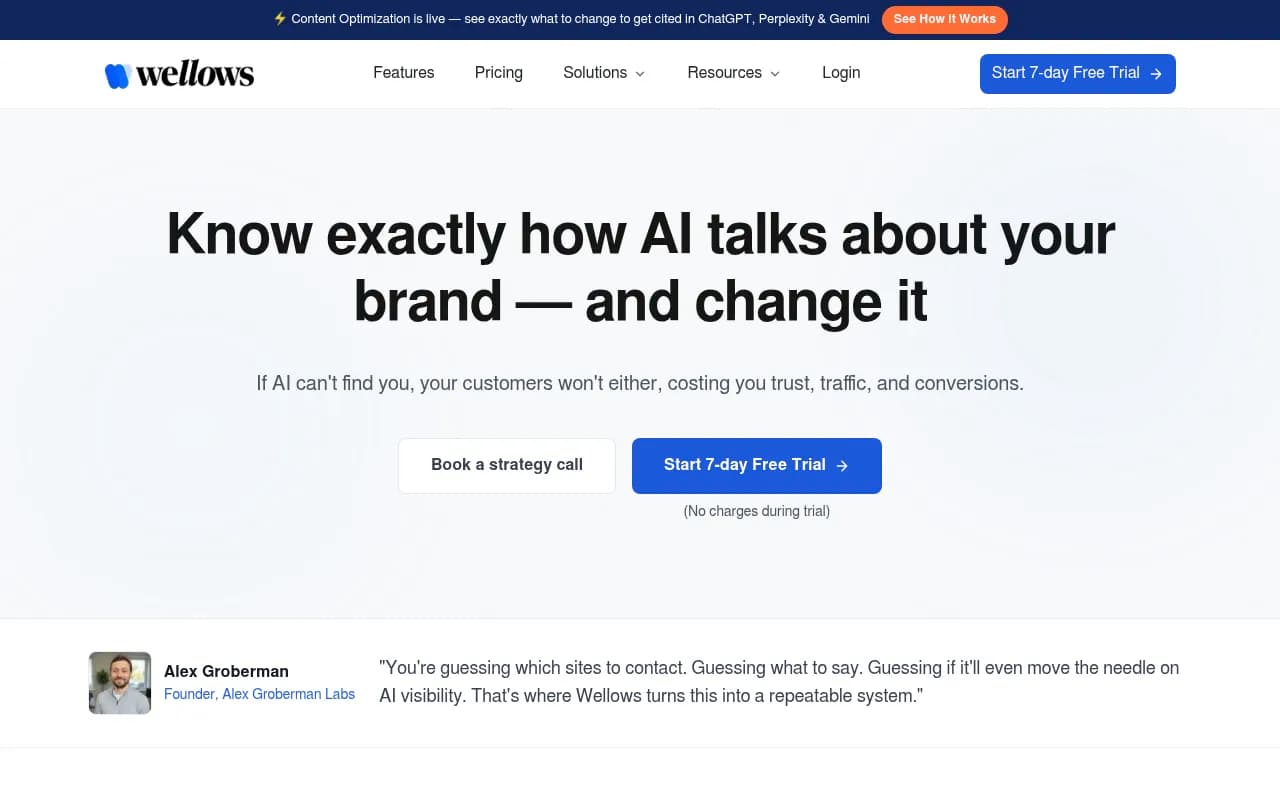
What makes Wellows interesting is its focus on the citation layer specifically. Most traditional SEO tools track keyword rankings in Google. Wellows is tracking something different -- whether AI models are citing your pages, how often, and in response to what kinds of prompts.
The platform also includes outreach automation features, which is where the comparison with Respona gets interesting. Wellows' SEO outreach functionality is built around automating the prospecting and email side of link building -- finding relevant sites, personalizing outreach at scale, and tracking responses. Their blog describes a four-step process: identify targets, personalize at scale, send sequences, and track results.
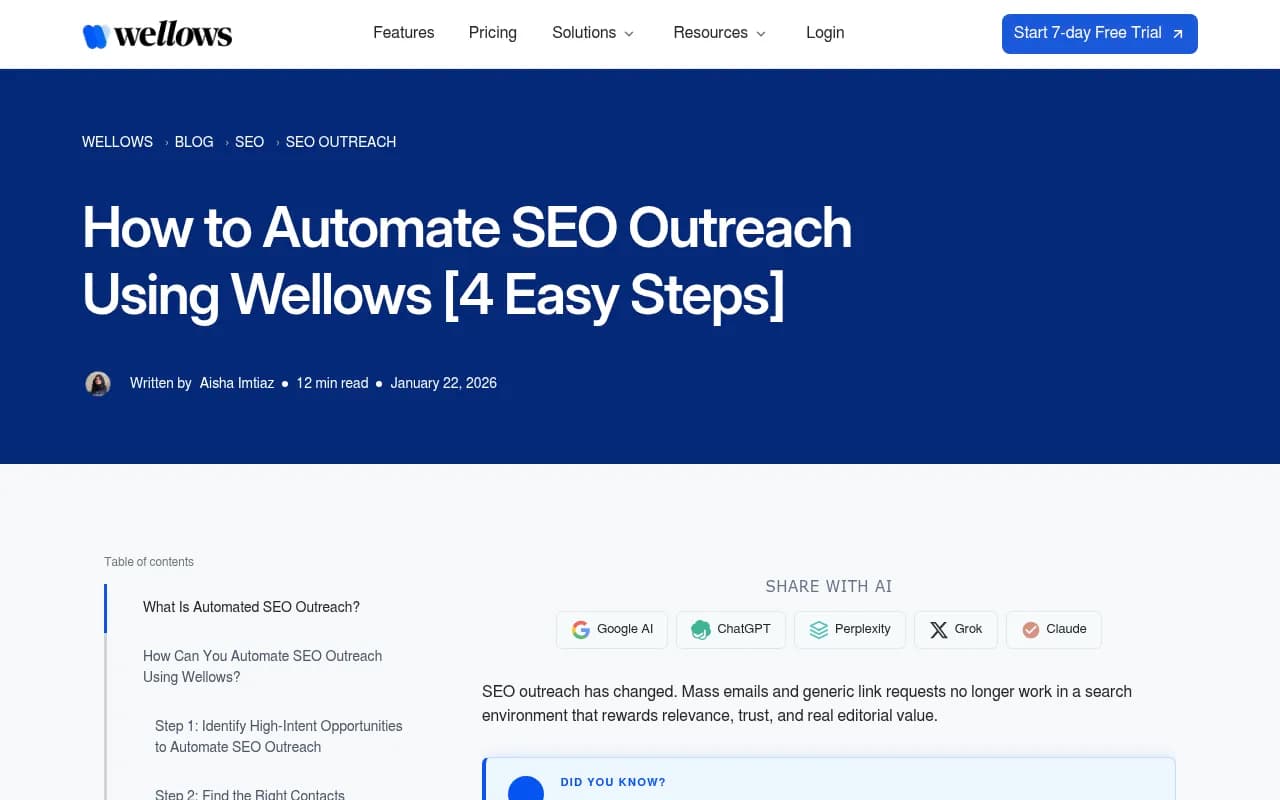
So Wellows is doing two things: visibility analytics and outreach automation. That's a wider scope than many tools in this space, though it means neither capability goes as deep as a dedicated specialist tool.
What Respona actually does
Respona is primarily an outreach platform. It started as a link building and PR tool, and that's still its core strength -- finding prospects, personalizing pitches, managing email sequences, and tracking placements.
The AI visibility angle is newer. Respona's team has been positioning the tool as a way to generate the citation signals that influence AI search results. The logic is sound: AI models like ChatGPT and Perplexity pull from sources that have strong editorial authority -- listicles, roundups, comparison pages, and high-DR publications. If you can get your brand mentioned in those sources through outreach, you improve your chances of appearing in AI-generated answers.

Respona's workflow covers:
- Prospecting for link opportunities using built-in search and integrations
- Finding contact information for editors and site owners
- Personalizing outreach emails with AI assistance
- Managing follow-up sequences
- Tracking placements and campaign performance
The AI citation framing is a smart evolution of what Respona has always done. Getting a mention in a "best tools" roundup has always been valuable for SEO. Now it's also valuable for AI visibility -- because those roundups are exactly the kind of source AI models cite when answering "what are the best tools for X?"
Head-to-head comparison
Here's how the two tools stack up across the dimensions that matter most:
| Feature | Wellows | Respona |
|---|---|---|
| AI citation tracking | Yes | No |
| AI visibility analytics | Yes | No |
| Outreach automation | Yes (basic) | Yes (core feature) |
| Link prospecting | Limited | Strong |
| Contact finding | Limited | Built-in |
| Email sequences | Yes | Yes |
| Listicle/PR outreach | No | Yes |
| AI content generation | No | Limited |
| Prompt-level data | No | No |
| Crawler log analysis | No | No |
| Pricing transparency | Not public | Starts ~$99/mo |
| Best for | Visibility tracking + basic outreach | Outreach at scale, citation building |
The table makes the positioning clearer. Wellows is a visibility-first tool that added outreach. Respona is an outreach-first tool that added AI visibility framing. They overlap in the middle but come from opposite directions.
Where they complement each other
The most interesting use case is running both tools together. Here's what that workflow looks like in practice:
- Use Wellows to identify which prompts your brand is missing from -- where competitors are getting cited and you're not.
- Use Respona to run outreach campaigns targeting the specific publications and listicles that AI models are already citing for those prompts.
- Track whether new placements improve your citation rate in Wellows over time.
This is a reasonable strategy. The gap between "knowing you're invisible" and "doing something about it" is real, and most teams fall down at step two. Respona is genuinely good at the execution side.
The limitation is that this workflow requires manually connecting the dots between the two tools. There's no native integration, no shared data layer, and no automated feedback loop. You're essentially running two separate workflows and hoping the results line up.
The broader context: what's missing from both
Neither Wellows nor Respona gives you the full picture of AI visibility optimization.
Wellows tracks citations but doesn't tell you what content to create to earn more of them. Respona runs outreach but doesn't show you which prompts or topics are worth targeting. Both tools are useful, but they're each solving one piece of a larger puzzle.
The more complete approach -- find the gaps, create content that fills them, track whether AI models start citing it -- requires something that connects all three stages. Platforms like Promptwatch are built specifically around this loop: Answer Gap Analysis shows which prompts competitors rank for that you don't, Content Agents generate articles grounded in real prompt data, and page-level tracking shows when those articles start getting cited.

That's a different category of tool than either Wellows or Respona. But it's worth knowing it exists, especially if you're finding that monitoring alone isn't moving the needle.
Who should use Wellows
Wellows makes sense if:
- You want AI citation tracking without a complex enterprise setup
- You're already doing some link building and want to see whether it's improving your AI visibility
- You need a single platform that handles both monitoring and basic outreach automation
- You're a smaller team or agency that can't justify separate tools for every function
The outreach automation in Wellows is functional, but it's not going to replace a dedicated tool like Respona if outreach is your primary growth lever. Think of it as a good-enough solution for teams that want coverage across both areas without going deep on either.
Who should use Respona
Respona makes sense if:
- Link building and PR outreach is a core part of your SEO strategy
- You want to specifically target listicle placements and roundups that AI models cite
- You need robust email sequence management and contact finding at scale
- You're running campaigns for multiple clients or brands simultaneously
The AI citation angle is genuinely useful framing for Respona's existing capabilities. Getting into the right roundups and editorial mentions has always mattered for SEO -- the fact that it now also influences AI search results makes that work more valuable, not less. Respona is a solid tool for executing that strategy.
Alternatives worth knowing
If neither tool fits your needs exactly, here are a few others in the space:
For cold email and outreach at scale, Instantly.ai is worth a look -- it's built specifically for high-volume email campaigns with strong deliverability features.

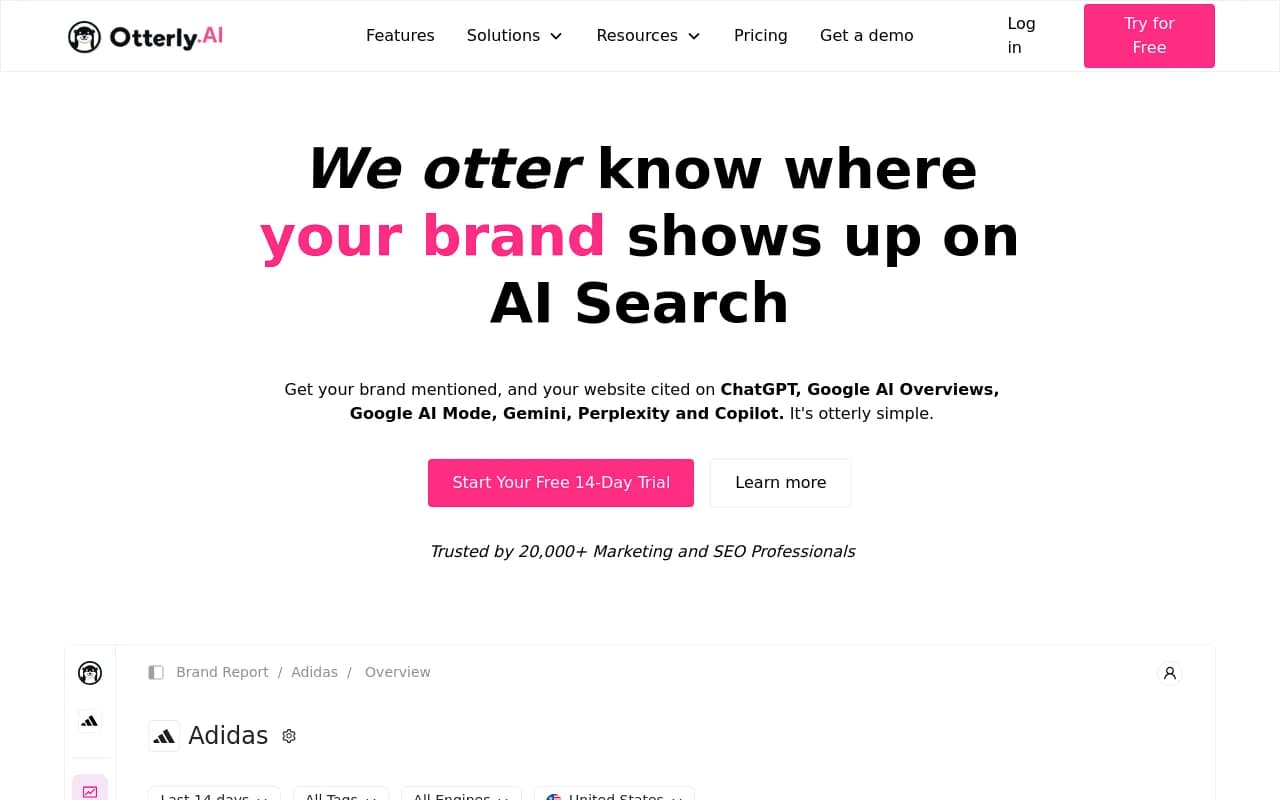
For AI visibility tracking specifically, there are several dedicated monitoring tools. Otterly.AI is a lightweight option for teams that just want basic citation tracking.
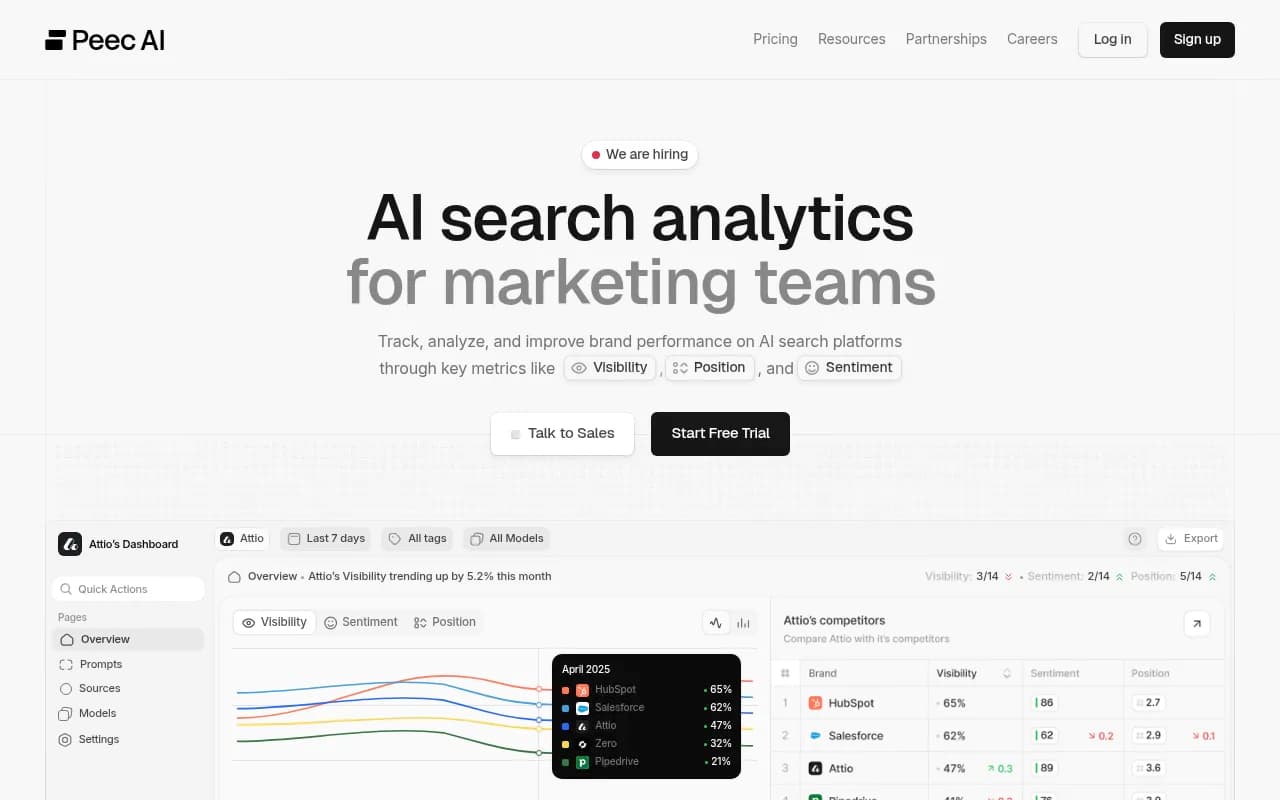
Peec AI is another monitoring-focused option with a clean interface.
For link building research and prospecting, Semrush and Ahrefs remain the most data-rich options, though neither is built specifically for AI citation tracking.
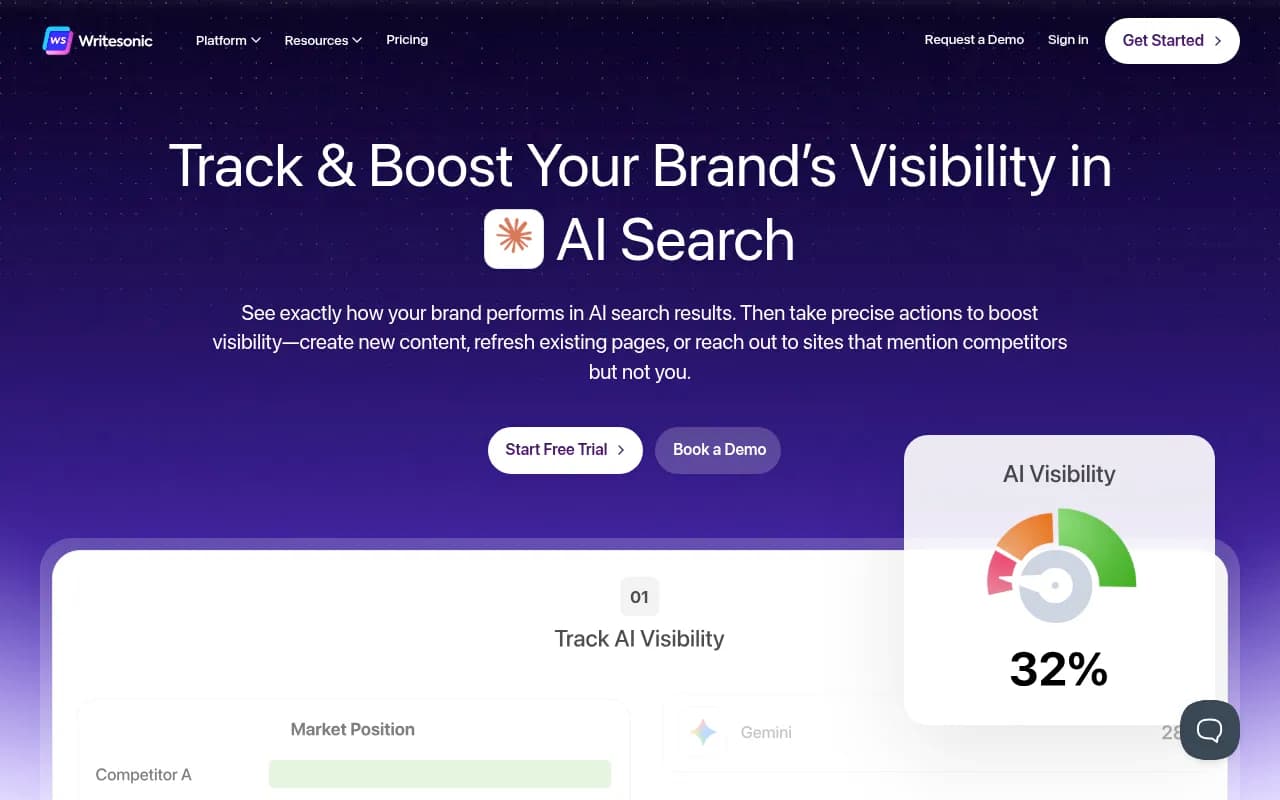
If you want to go deeper on the content side of AI visibility -- actually generating the pages that get cited -- tools like Writesonic have started adding AI search optimization features alongside their content generation capabilities.
Making the decision
The honest answer is that Wellows and Respona aren't really competing for the same job. You'd choose between them based on what you need most right now:
- If you need to understand your current AI visibility and have a basic outreach capability, Wellows is a reasonable starting point.
- If you need to run serious outreach campaigns to earn the editorial placements that drive AI citations, Respona is the stronger tool.
- If you need both visibility tracking and content optimization in a single platform with a feedback loop between them, neither tool fully delivers that -- and you'd want to look at something purpose-built for the full GEO workflow.
The link building tools landscape in 2026 is crowded, and the AI visibility angle is still relatively new territory. Most teams are still figuring out which signals actually move the needle in AI search. What's clear is that passive monitoring isn't enough -- you need to be actively building the editorial presence that AI models draw from when they generate answers.
Whether that means Wellows, Respona, both, or something else entirely depends on where your team's biggest gap is right now.