Key takeaways
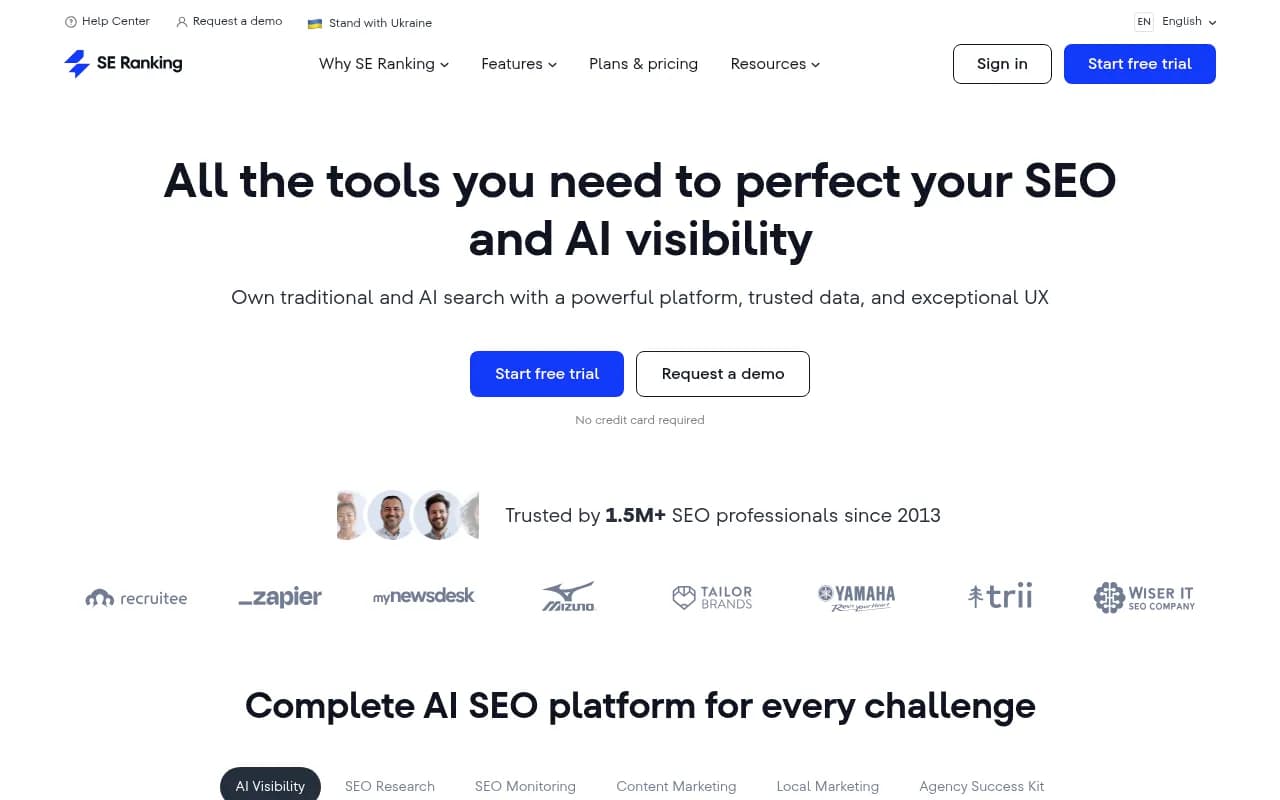
- SE Ranking added AI search tracking as a paid add-on ($89/month) and later spun off a standalone product called SE Visible -- a sign the market is moving fast enough that even broad SEO platforms can't ignore it.
- The platform does a solid job of monitoring brand mentions across several AI engines, and existing SE Ranking users will find the integration convenient.
- Where it struggles: SE Ranking is primarily a monitoring tool. It shows you data but doesn't help you act on it -- no content gap analysis, no AI-optimized content generation, no crawler logs.
- Dedicated GEO platforms go further, especially if AI visibility is a core priority rather than a side metric.
- If you're evaluating tools purely for GEO, the comparison table below will help you figure out where SE Ranking actually sits.
What SE Ranking is (and what it isn't)
SE Ranking has been around since 2013. It built its reputation as a mid-market SEO platform -- rank tracking, site audits, backlink analysis, keyword research -- and it's genuinely good at those things. The pricing is reasonable, the interface is clean, and it's popular with agencies and in-house teams that want one tool to handle most of their traditional SEO workflow.
The AI visibility module came later, and that timing matters. SE Ranking didn't build its platform around AI search from the ground up. It added AI tracking onto an existing SEO infrastructure, which shapes both what it can do and what it can't.
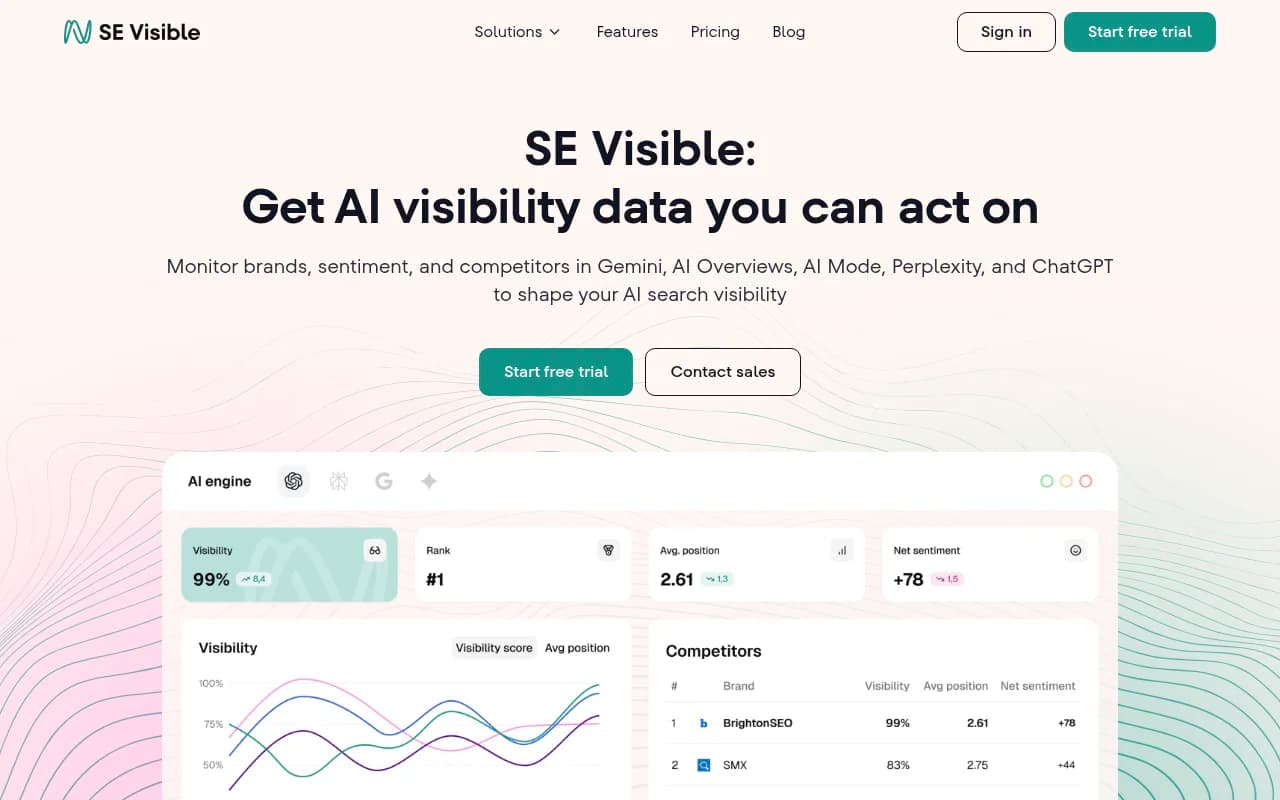
The add-on costs $89/month on top of your existing SE Ranking subscription. In 2025, they also launched SE Visible as a standalone product -- essentially the AI visibility layer extracted and sold separately.
What SE Ranking's AI visibility module actually tracks
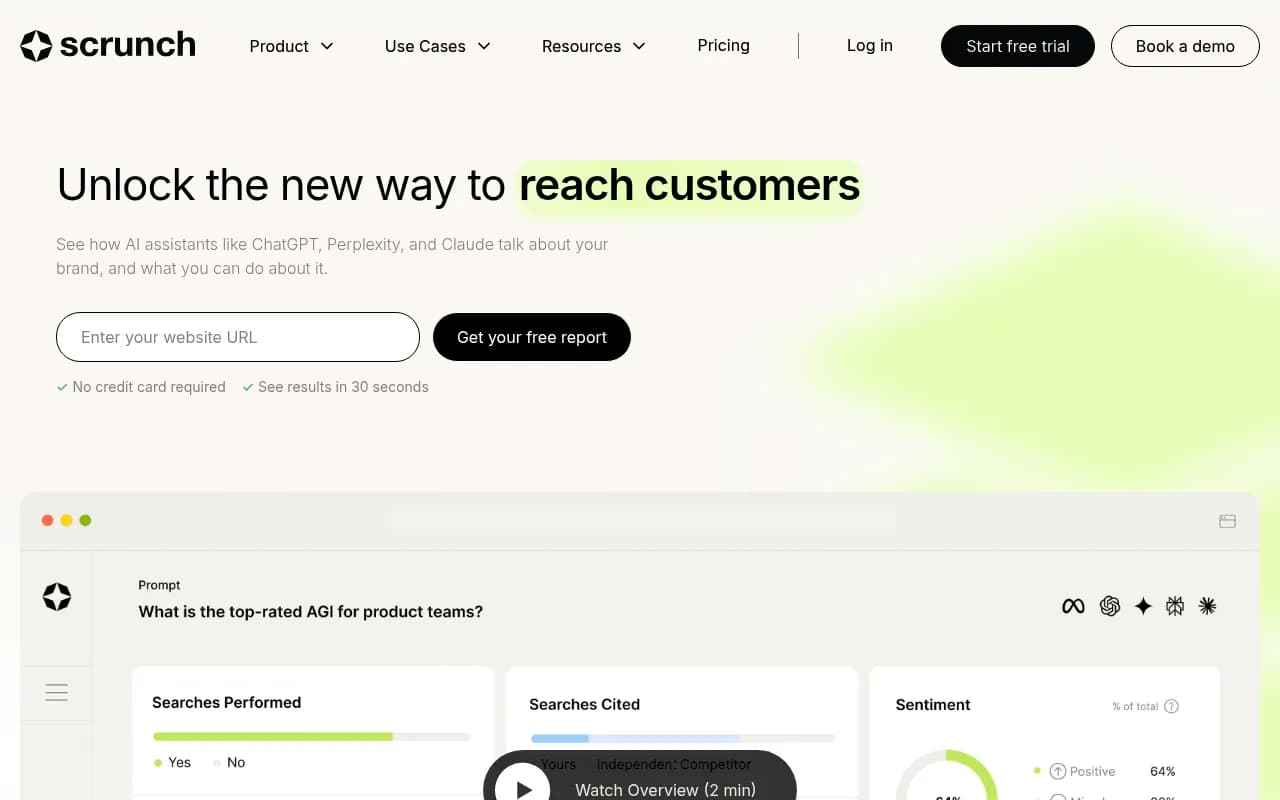
The core function is prompt-based monitoring: you define a set of queries relevant to your brand or category, and SE Ranking runs those prompts across AI engines to record whether your brand appears in the responses.
Coverage includes ChatGPT, Perplexity, Google AI Overviews, and a handful of other platforms -- though the exact model coverage is narrower than some dedicated GEO tools that track 10+ AI engines.
What you get from the monitoring:
- Brand mention frequency across tracked prompts
- Sentiment scoring (positive, neutral, negative framing in AI responses)
- Competitor visibility comparisons -- who's showing up when you're not
- Share of voice metrics across your tracked prompt set
- Basic trend data over time
For teams that already live inside SE Ranking for their SEO work, having this data in the same dashboard is genuinely useful. You don't need to context-switch between tools, and you can correlate AI visibility trends with traditional ranking data.
The consensus among users who've reviewed it is that it's the "most well-rounded AI SEO checking tool" for teams that want a broad platform -- which is a fair description, but also a bit of a tell. "Well-rounded" often means it covers the bases without excelling at any single one.
Where it falls short
Here's the honest part of this review.
SE Ranking's AI visibility module is a monitoring tool. It tells you what's happening. It doesn't help you change it.
That gap matters more than it might sound. Knowing that your brand appears in 23% of relevant AI responses while a competitor appears in 61% is useful data. But what do you do with it? Which content is missing from your site? Which topics does ChatGPT want to answer but can't find on your pages? Which prompts are high-volume and winnable?
SE Ranking doesn't answer those questions. There's no answer gap analysis that shows you the specific prompts competitors rank for that you don't. There's no built-in content generation tool that creates articles engineered to get cited by AI models. There are no AI crawler logs showing you which pages AI bots are actually visiting, how often, and what errors they're hitting.
This is the core limitation of adding AI visibility to a traditional SEO platform: the underlying architecture wasn't built for the optimization loop that GEO actually requires.
A few other gaps worth noting:
- No Reddit or YouTube tracking (both are significant sources that influence what AI models cite)
- No ChatGPT Shopping monitoring
- No prompt volume or difficulty scoring to help you prioritize which queries to target
- No traffic attribution connecting AI visibility to actual revenue
- Limited query fan-out analysis (understanding how one prompt branches into sub-queries)
For a team that wants to understand their AI visibility at a surface level, SE Ranking works. For a team that wants to actually improve it, the tool runs out of road quickly.
SE Ranking vs. dedicated GEO tools: a direct comparison
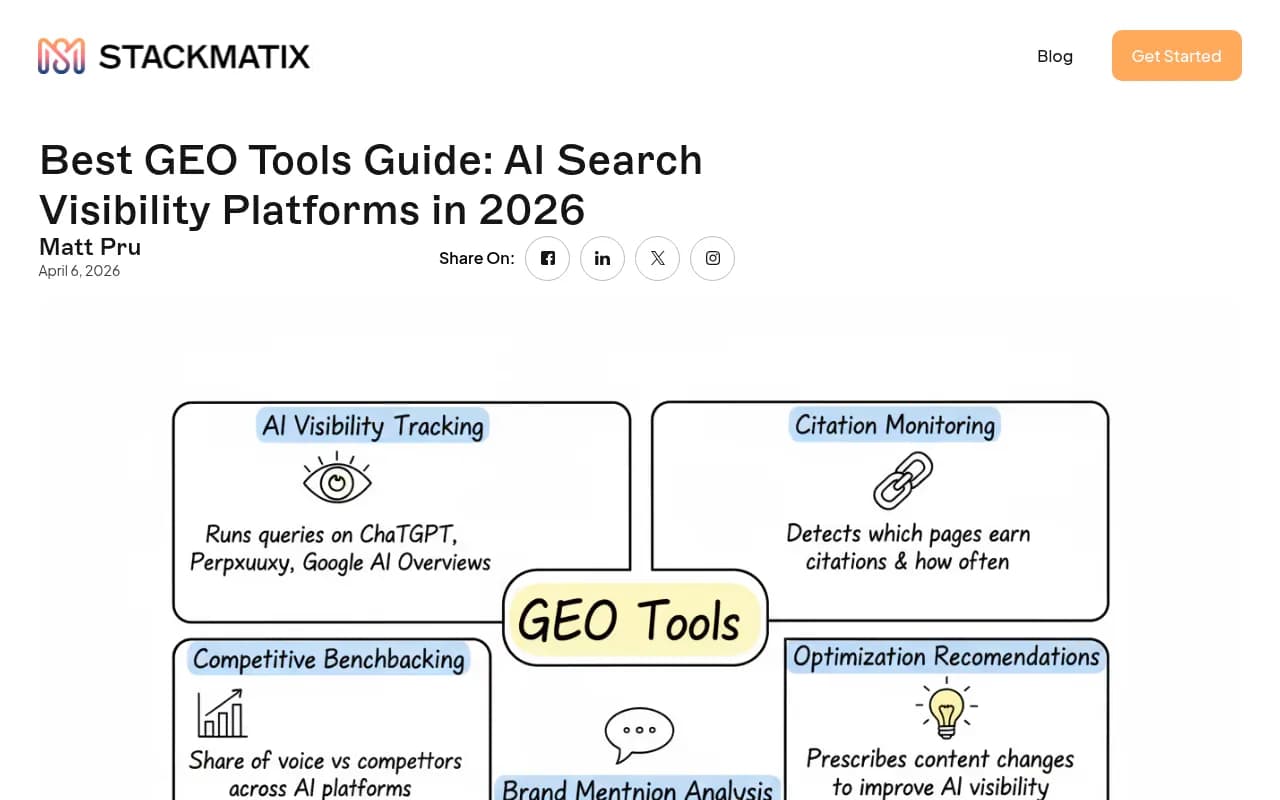
The GEO tool market has matured fast. Here's how SE Ranking stacks up against the main alternatives:
| Feature | SE Ranking AI | SE Visible | Promptwatch | Scrunch | Profound | Otterly.AI |
|---|---|---|---|---|---|---|
| AI engine coverage | ~4-5 | ~4-5 | 10+ | 6+ | 6+ | 4-5 |
| Prompt monitoring | Yes | Yes | Yes | Yes | Yes | Yes |
| Competitor heatmaps | Basic | Basic | Yes | Yes | Yes | Limited |
| Answer gap analysis | No | No | Yes | No | Partial | No |
| AI content generation | No | No | Yes | No | No | No |
| AI crawler logs | No | No | Yes | No | No | No |
| Reddit/YouTube tracking | No | No | Yes | No | No | No |
| ChatGPT Shopping tracking | No | No | Yes | No | No | No |
| Prompt volume/difficulty | No | No | Yes | No | No | No |
| Traffic attribution | No | No | Yes | No | No | No |
| Pricing (entry) | +$89/mo add-on | Standalone | $99/mo | ~$300/mo | Enterprise | ~$49/mo |
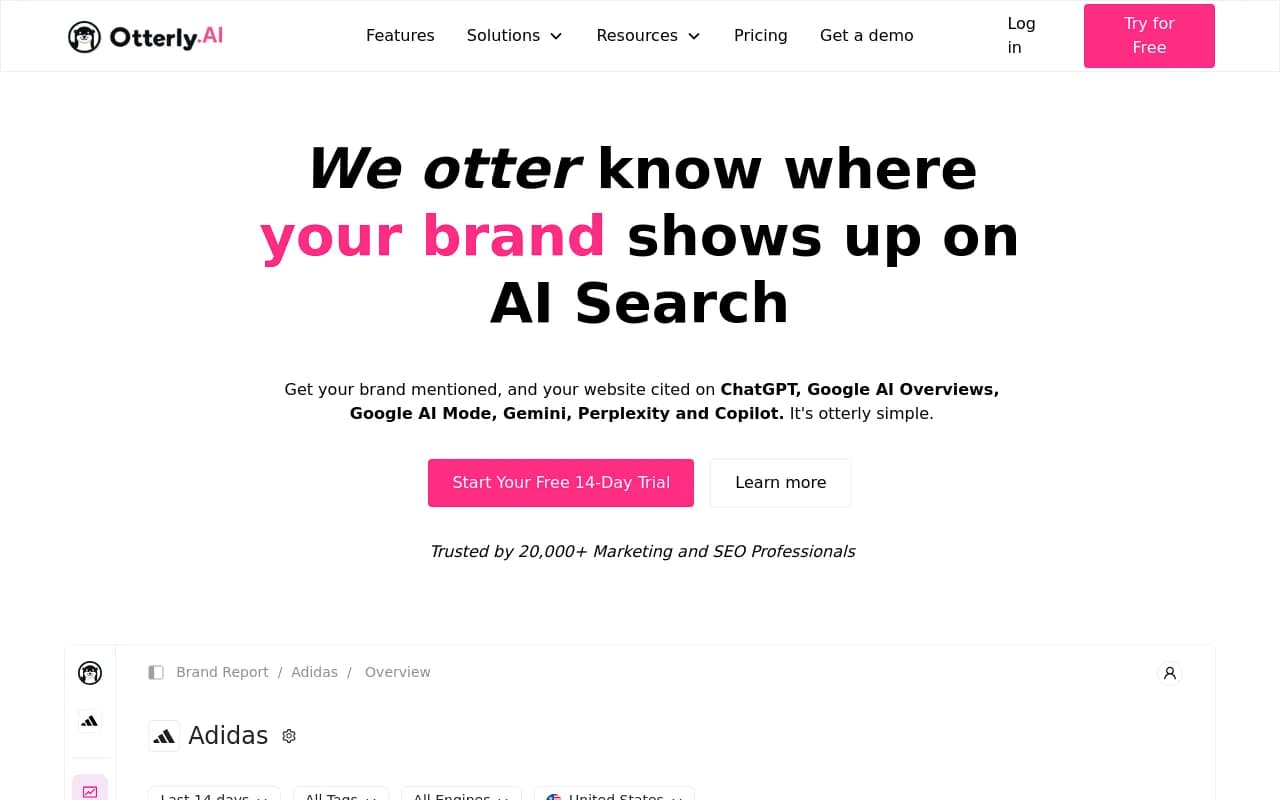
The pattern is clear: SE Ranking and SE Visible sit in the monitoring-only tier alongside tools like Otterly.AI and basic Peec AI setups. They show you data. The question is whether data alone is what you need.

Who SE Ranking's AI module is actually right for
There's a real use case here, and it's worth being specific about it.
SE Ranking's AI visibility tracking makes sense if:
- You're already paying for SE Ranking and want to add a basic AI visibility layer without onboarding a new platform
- Your team is primarily SEO-focused and AI visibility is a secondary metric you want to monitor, not actively optimize
- You're an agency that needs to include AI visibility data in client reports alongside traditional SEO metrics
- Budget is a constraint and you want one bill instead of two
It's probably not the right choice if:
- AI visibility is a primary growth lever for your business
- You need to understand why you're not being cited and what content to create
- You're in a competitive category where AI recommendations directly drive purchase decisions
- You want to track AI crawler behavior on your own site
The broader question: can SEO platforms do GEO?
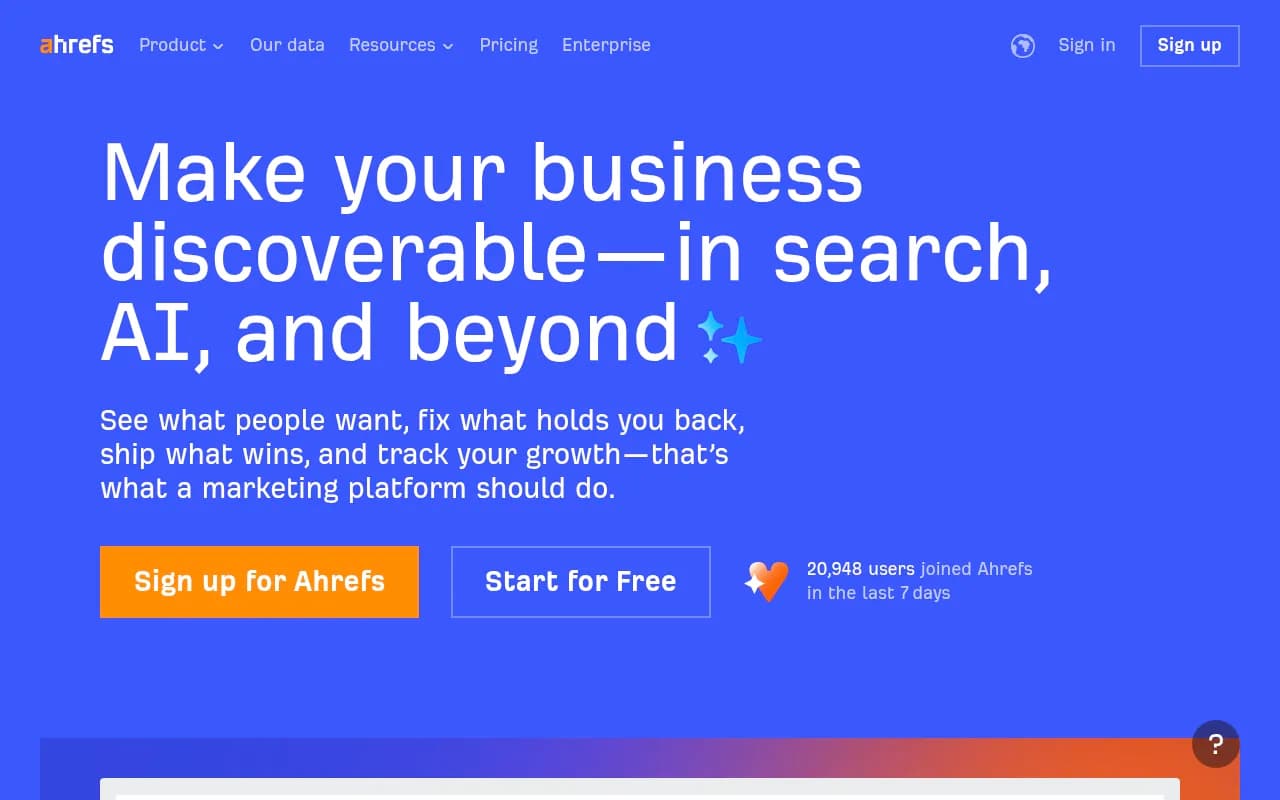
This is worth thinking about more carefully, because SE Ranking isn't the only traditional SEO tool that's added AI visibility features. Semrush has done it. Ahrefs launched Brand Radar. The pattern is consistent: established SEO platforms are bolting AI tracking onto existing infrastructure.
The problem is structural. Traditional SEO tools were built around a fundamentally different model -- crawling pages, tracking keyword positions, analyzing backlinks. The data pipelines, the UX, the underlying logic all reflect that.
GEO is a different problem. You're not tracking where a page ranks. You're tracking what an AI model says in response to a natural language query, why it says it, which sources it draws from, and how to influence that. The optimization loop is different. The content strategy is different. The technical infrastructure needed to do it well is different.
When Semrush added AI visibility, it used fixed prompts -- you can't customize the query set to match your actual customers' language. Ahrefs Brand Radar has the same limitation, and neither tool offers AI traffic attribution. SE Ranking's add-on is more flexible on prompts, but it still doesn't close the gap on optimization.
Dedicated GEO platforms built from scratch for this problem -- like Promptwatch -- have a structural advantage because the entire product is designed around the optimization loop: find the gaps, create the content, track the results. That's hard to replicate by adding a module to a rank tracker.
SE Visible: is the standalone version better?
Worth addressing separately. SE Visible is SE Ranking's attempt to compete directly in the GEO tool market rather than just offering an add-on. It's a cleaner product focused specifically on AI visibility rather than trying to be everything.
The monitoring capabilities are similar to the add-on. You get brand tracking across AI engines, competitor comparisons, sentiment analysis, and trend data. The interface is more focused than the full SE Ranking platform.
But it still doesn't solve the optimization problem. SE Visible is a better-packaged monitoring tool, not a fundamentally different product. If you're choosing between SE Visible and a dedicated GEO platform, the question is the same: do you need to monitor, or do you need to optimize?
Alternatives worth considering
If SE Ranking's AI module isn't quite what you need, here are a few tools worth looking at depending on your situation:
For teams that want monitoring without complexity, Otterly.AI is a lighter-weight option at a lower price point. It won't do more than SE Ranking on the optimization side, but it's purpose-built for AI tracking rather than bolted on.
For enterprise teams that need depth and governance around AI visibility data, Profound is worth evaluating. It's more expensive and skews toward larger organizations, but the data quality and competitive intelligence are strong.
For teams that want to go beyond monitoring and actually fix their AI visibility -- through content gap analysis, AI-optimized content creation, and traffic attribution -- Promptwatch is the most complete option in the market right now. It's the only platform that covers the full loop from identifying what's missing to generating content to tracking whether it worked.
The verdict
SE Ranking's AI visibility module is a reasonable add-on for existing customers who want to include AI search data in their reporting without switching platforms. It does what it says: it monitors brand mentions across AI engines and shows you how you compare to competitors.
But "monitoring" is only the first step. The teams winning in AI search in 2026 aren't just watching their visibility scores -- they're actively building content that gets cited, fixing technical issues that prevent AI crawlers from reading their pages, and tracking which AI-driven traffic actually converts.
SE Ranking doesn't help with any of that. For a team where AI visibility is a serious priority, it's a starting point, not a destination.
If you're evaluating tools right now, be honest about what you actually need: a dashboard that shows you data, or a platform that helps you change it. Those are different products, and SE Ranking only offers one of them.