Key takeaways
- Otterly.AI is a lightweight monitoring tool: good for tracking brand mentions across AI engines, not built for optimization or content action.
- Promptwatch covers monitoring AND optimization -- answer gap analysis, AI content generation, crawler logs, and traffic attribution in one platform.
- If you just want to know whether AI mentions your brand, Otterly.AI gets the job done cheaply. If you want to actually improve that visibility, you'll outgrow it fast.
- Promptwatch is the only platform in a 2026 comparison of 12 GEO tools rated as a "Leader" across all categories -- the core difference being its action loop from gap discovery to content creation to result tracking.
- Pricing: Otterly.AI starts lower; Promptwatch's Essential plan is $99/month and covers 50 prompts across 10 AI models with content generation included.
Why this comparison matters right now
AI search isn't a future trend you can monitor from a distance. Google AI Overviews now processes roughly 15 billion queries per day, and ChatGPT handles another 2.5 billion. According to Otterly.AI's own January 2026 research, 15% of total website traffic now comes from AI agents and bots -- and 56% of AI referral traffic flows through ChatGPT alone.
If your brand isn't appearing in those answers, you're losing consideration before a potential customer ever reaches your website. That's the problem both Otterly.AI and Promptwatch are trying to solve. But they solve it very differently, and that difference matters a lot depending on what your team actually needs to do.
What Otterly.AI does
Otterly.AI is a monitoring-first platform. You set up prompts relevant to your brand or industry, and it tracks how often your brand appears in AI-generated answers across engines like ChatGPT, Perplexity, Google AI Overviews, Gemini, Claude, and Copilot.
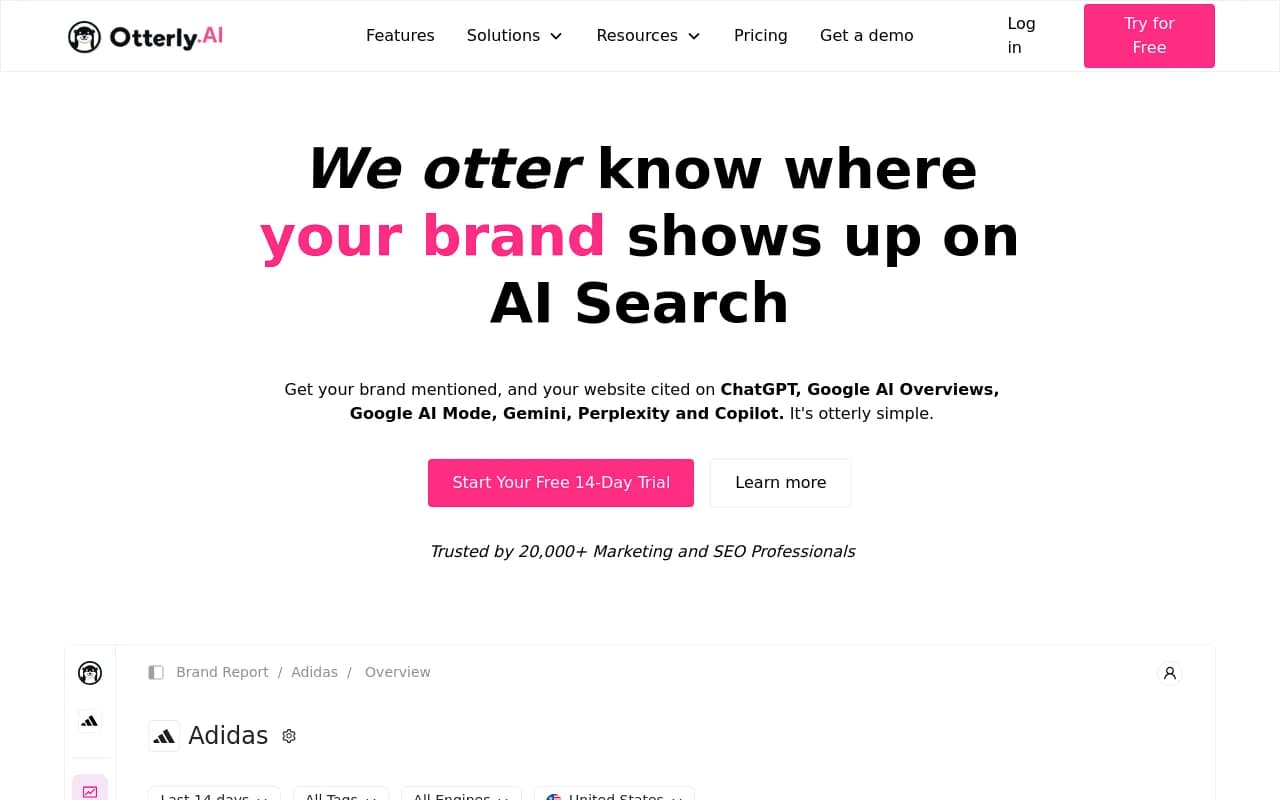
The core value is simplicity. Otterly.AI doesn't require much setup, doesn't overwhelm you with features, and gives smaller teams a reasonably clear picture of their AI search presence. You can see mention frequency, competitor share of voice, and some citation attribution -- enough to answer "are we showing up?"
Where it stops is the harder question: "what do we do about it?" Otterly.AI doesn't have crawler logs, doesn't generate content, and doesn't connect visibility data to actual website traffic or revenue. It's a dashboard that shows you the score but doesn't coach you on how to improve it.
That's not a knock -- it's a design choice. For teams that just need a lightweight pulse check on AI visibility, it works. But for teams that need to act on what they find, it's a starting point, not a solution.
What Promptwatch does
Promptwatch is built around a different premise: monitoring is only useful if it leads somewhere. The platform is structured as a loop -- find gaps, create content, track results -- and every feature connects back to that cycle.

Here's what that looks like in practice:
Finding gaps: Promptwatch's Answer Gap Analysis shows you exactly which prompts competitors are visible for that you're not. You see the specific topics and questions AI models want to answer but can't find on your site. This is more actionable than a share-of-voice number because it tells you what to write, not just that you're behind.
Creating content: Content Agents generate articles, listicles, comparisons, and briefs grounded in real prompt data, citation patterns, prompt volumes, competitor analysis, and brand guidance. This isn't generic AI writing -- it's content built specifically to fill the gaps AI models are exposing.
Tracking results: Page-level tracking shows which pages are being cited, by which models, and how often. Agent Analytics logs real AI crawler activity on your site -- which pages they read, errors they hit, how often they return, and when a crawl turns into a citation. Traffic attribution connects all of this to actual revenue.
The platform monitors 10 AI models: ChatGPT, Perplexity, Google AI Overviews, Google AI Mode, Claude, Gemini, Meta/Llama, DeepSeek, Grok, Mistral, and Copilot. It also tracks Reddit and YouTube citations (which influence AI recommendations more than most teams realize), ChatGPT Shopping appearances, and entity mentions.
An independent review by Lari Numminen at generatemore.ai, who evaluated 15+ AI visibility tools over six months, rated Promptwatch 4.0/5 overall and called it their top pick -- specifically citing the Answer Gap feature and brand presence configurability as standout capabilities.
Head-to-head feature comparison
| Feature | Otterly.AI | Promptwatch |
|---|---|---|
| AI model coverage | ChatGPT, Perplexity, Gemini, Claude, Copilot, Google AIO | 10 models including DeepSeek, Grok, Meta/Llama, Mistral |
| Prompt-level monitoring | Yes | Yes |
| Competitor share of voice | Yes | Yes (+ heatmap by model) |
| Citation attribution | Basic | Full (including offsite, Reddit, YouTube) |
| Answer gap analysis | No | Yes |
| AI content generation | No | Yes (Content Agents) |
| AI crawler logs | No | Yes (Agent Analytics) |
| Traffic attribution | No | Yes (GSC, Cloudflare, Vercel, snippet) |
| ChatGPT Shopping tracking | No | Yes |
| Entity tracking | Limited | Yes |
| Multi-language / multi-region | Limited | Yes |
| Prompt volume & difficulty scoring | No | Yes |
| Query fan-outs | No | Yes |
| Reddit & YouTube insights | No | Yes |
| Looker Studio / API export | No | Yes |
| Starting price | Lower | $99/month (Essential) |
| Free trial | Yes | Yes |
The table tells the story pretty clearly. Otterly.AI covers the monitoring basics. Promptwatch covers monitoring plus everything you'd need to actually move the needle.
Where Otterly.AI is the right choice
There are real scenarios where Otterly.AI makes sense:
- You're a small team or solo marketer who just wants to know if AI mentions your brand, without a complex setup or a $99+ monthly commitment.
- You're early in your AI visibility journey and want a simple dashboard to build internal awareness before investing in optimization.
- Your primary use case is competitive benchmarking at a high level -- "are we mentioned more or less than our competitors?" -- and you don't need to act on the data yet.
Otterly.AI is also genuinely easier to get started with. If you don't need the depth, you don't need to pay for it.
Where Promptwatch is the right choice
Promptwatch makes sense when monitoring alone isn't enough:
- You want to know not just that you're invisible for certain prompts, but exactly what content you need to create to fix it.
- Your team is publishing content and you want to track whether AI models are actually crawling and citing it.
- You're running an agency with multiple clients and need multi-site tracking, white-label reporting, and API access.
- You want to connect AI visibility to traffic and revenue, not just mention counts.
- You're tracking AI Shopping appearances or need to monitor brand sentiment at the prompt level.
The generatemore.ai review noted that Promptwatch's brand presence monitoring is "the most configurable option we've seen" -- and that's the key word. Configurable means you can get specific about which prompts matter, which geographies, which personas, and which models. That specificity is what makes optimization possible.
The data quality question
One thing worth addressing directly: both platforms are tracking AI search behavior, which is inherently messy. AI models don't return identical answers every time. Citation patterns shift. Prompt phrasing changes results.
Otterly.AI's own research (published January 2026) makes a useful point here: real user prompts average 15.1 words versus 8.8 words for estimated prompts, and skew 78.9% toward tool-finding intent. This means platforms that use generic, short prompts to simulate AI search are missing most of the actual behavior. The more your prompt library reflects how real users actually ask questions, the more useful your data is.
Promptwatch addresses this with prompt volume estimates, difficulty scoring, and query fan-outs that show how one prompt branches into sub-queries. That helps you prioritize which prompts are worth tracking and optimizing for, rather than treating all prompts equally.
The generatemore.ai review gave Promptwatch a 3/5 on data accuracy -- not because of errors, but because the reviewer noted no specific issues to flag, which is actually a good sign. It also flagged UX bugs and rapid feature releases as minor frustrations. Worth knowing if you're evaluating it.
Pricing in plain terms
Otterly.AI's pricing isn't publicly listed in a standardized way, but it's generally positioned as the more affordable entry point for smaller teams.
Promptwatch's pricing is transparent:
- Essential: $99/month -- 1 site, 50 prompts, 5 articles/month
- Professional: $249/month -- 2 sites, 150 prompts, 15 articles, crawler logs, state/city tracking
- Business: $579/month -- 5 sites, 350 prompts, 30 articles
- Agency/Enterprise: custom pricing
Annual billing discounts apply, and there's a free trial. The generatemore.ai review noted that the $89-$199 range (likely reflecting annual pricing) is "fair value for scope of tracking and functionality."
The honest framing: Otterly.AI costs less. Promptwatch does more. Whether the gap in capability justifies the gap in price depends entirely on whether your team is ready to act on the data or just wants to see it.
What the broader market says
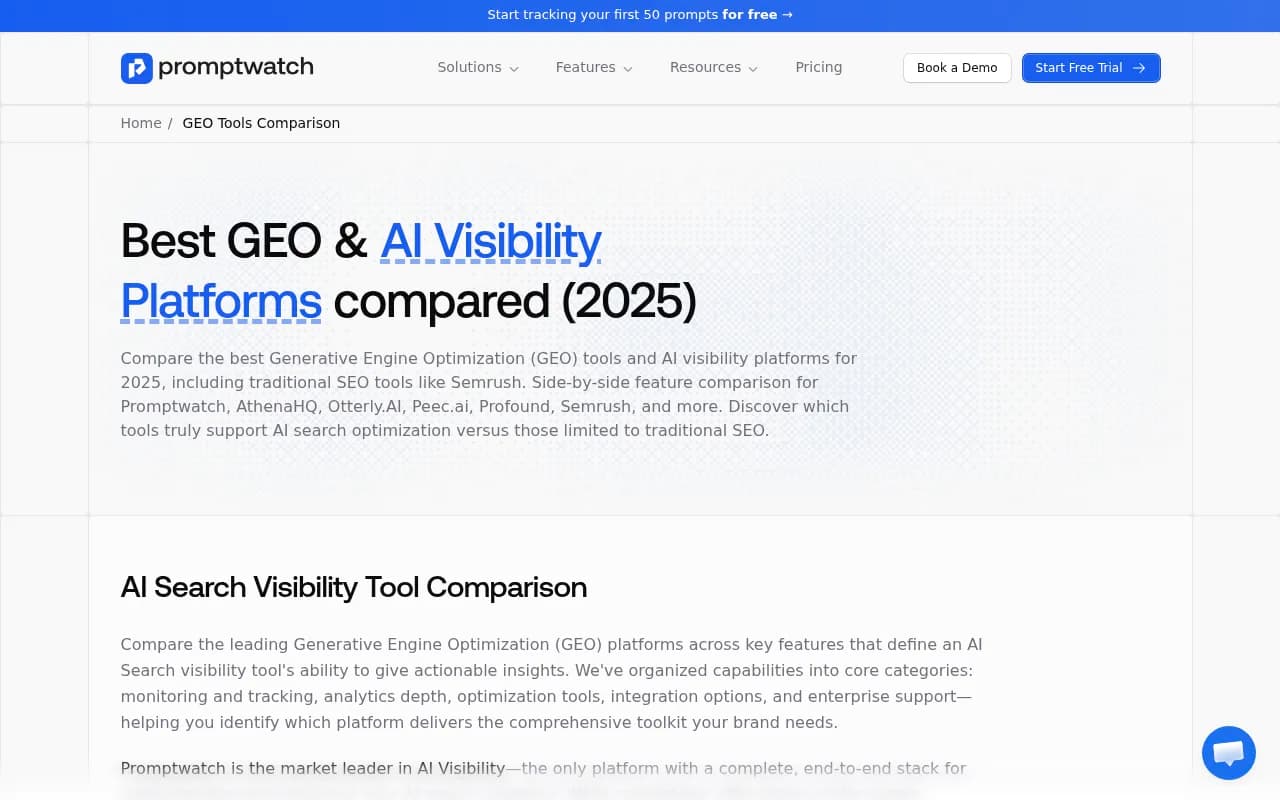
In a 2026 comparison of 12 GEO platforms -- including Search Party, Peec.ai, Profound, AthenaHQ, Scrunch, Brandlight.ai, Bluefish, Searchable, Semrush, and Ahrefs Brand Radar -- Promptwatch was the only platform rated as a "Leader" across all categories. Otterly.AI was categorized alongside Peec.ai as covering basic monitoring without crawler logs or visitor analytics.
That framing is consistent with what you see in the feature set. Otterly.AI is a solid monitoring tool. It's not an optimization platform.
For teams that want to explore other options in this space, a few alternatives worth knowing about:
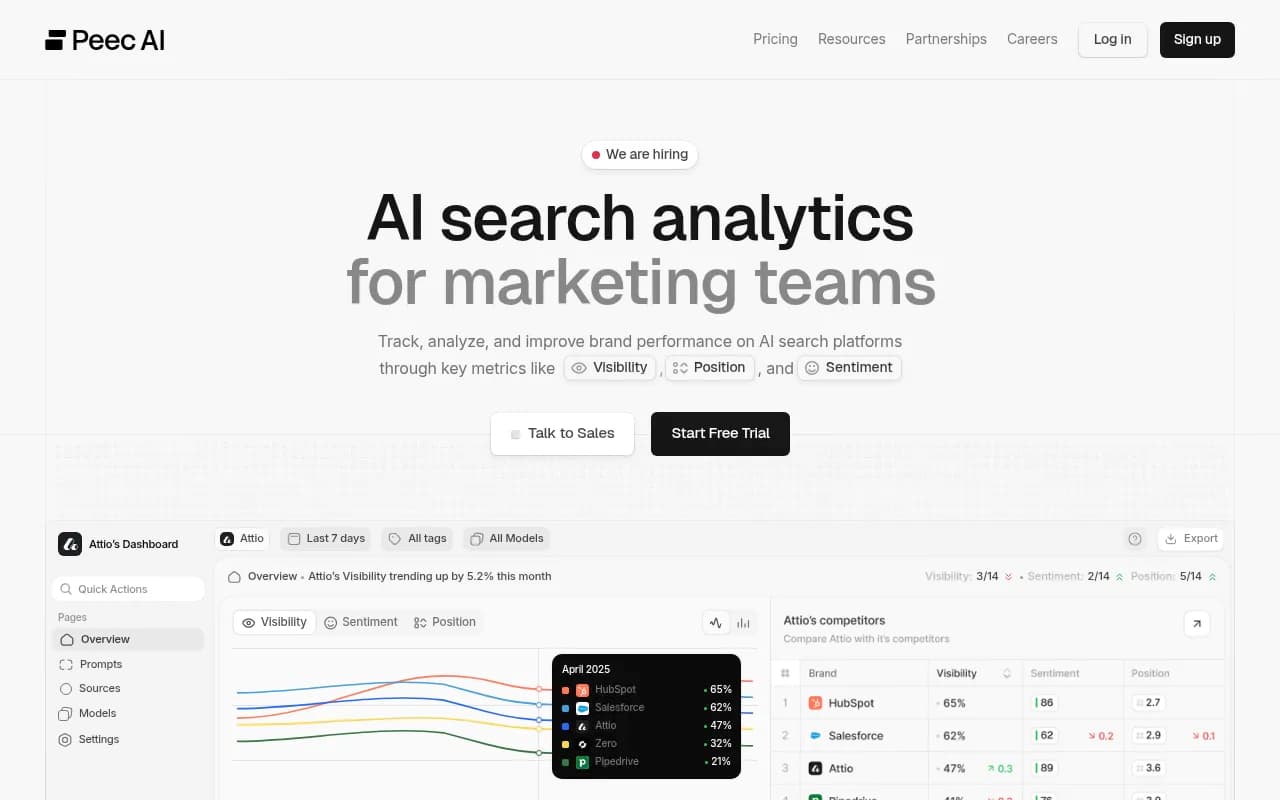
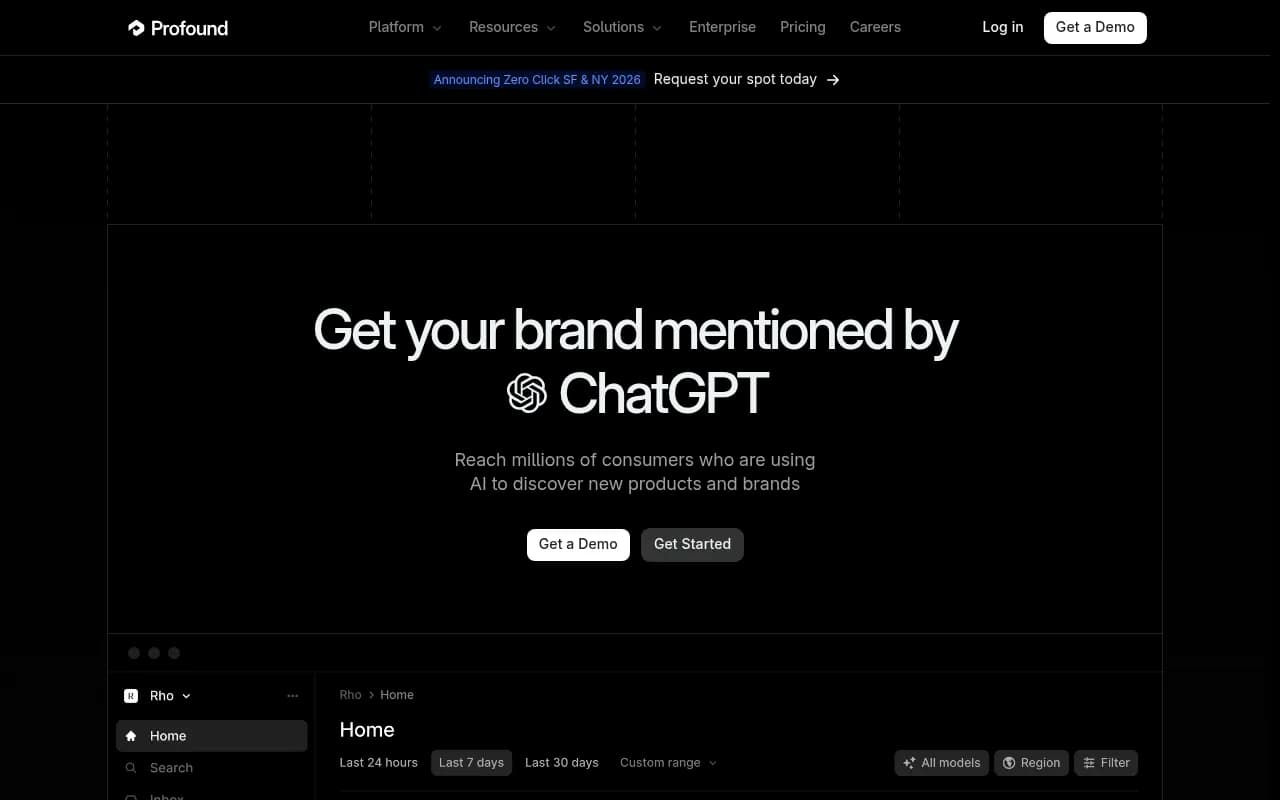

These sit in different parts of the market -- Peec.ai is similarly monitoring-focused, Profound and AthenaHQ lean toward enterprise with stronger analytics depth but less content generation capability.
The bottom line
If you're trying to decide between Otterly.AI and Promptwatch, the real question isn't which one tracks AI visibility better. Both do that. The question is what you plan to do with the information.
Otterly.AI tells you where you stand. Promptwatch tells you where you stand and gives you the tools to change it -- gap analysis, content generation, crawler logs, traffic attribution, and page-level citation tracking all in one place. For teams that are serious about improving their AI search presence rather than just measuring it, that's a meaningful difference.
The monitoring-only approach made sense in 2024 when AI search was new and teams were still figuring out whether it mattered. In 2026, it matters. The teams winning in AI search are the ones closing the loop between data and action.